
Japan's $6.9B Semiconductor Gamble: A Bullish Catalyst for U.S. Defense & Tech Giants
Japan's bold move to invest up to $6.9 billion in U.S. semiconductors and significantly boost defense spending is set to ignite a wave of opportunities for American defense contractors and tech firms. With Prime Minister Shigeru Ishiba under pressure to reduce the $100 billion U.S.-Japan trade deficit—and avoid punitive tariffs ahead of his July election—this deal is a geopolitical win-win. Investors should act now to capitalize on the surge in demand for advanced semiconductorsAMD--, defense equipment, and the deepening U.S.-Japan security alliance.
The Trade Deal and Defense Spending Surge: A Two-Front Play
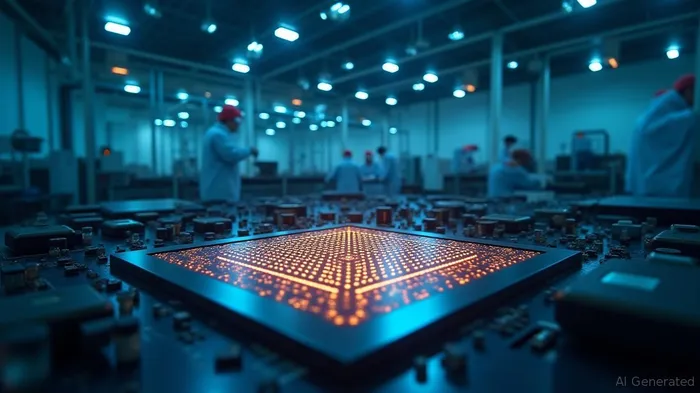
Japan's $6.9 billion semiconductor purchase plan, focused on chips from U.S. firms like NVIDIA, addresses two key U.S. demands: reducing trade imbalances and securing supply chains for critical technologies. The government will subsidize domestic companies to buy American-made semiconductors, which are vital for AI, defense systems, and EVs. This aligns perfectly with President Trump's push to shrink trade deficits, offering immediate upside for U.S. semiconductor manufacturers.
Simultaneously, Japan is increasing its financial contributions to host U.S. military bases by “tens of billions of yen”, while also purchasing advanced defense equipment like fighter jets. This spending surge targets a broader goal: boosting U.S. defense exports to reduce bilateral trade deficits further. Raytheon, Lockheed Martin, and Boeing stand to benefit as Japan upgrades its arsenal, with talks underway on purchases of F-35s and missile defense systems.
Semiconductor Sector: A Golden Opportunity
The semiconductor deal is a game-changer for U.S. tech giants. Japan's $6.9 billion commitment—subsidized by its government—ensures steady demand for high-end chips used in AI servers, military drones, and autonomous vehicles. NVIDIA, a leader in AI data-center chips, is a prime beneficiary. Its GPUs power critical defense applications, and Japan's push to localize AI infrastructure will lock in long-term contracts.
Japan's domestic semiconductor projects—like Toshiba's new 12-inch wafer plant—will also rely on U.S. equipment and expertise. This creates a virtuous cycle: U.S. firms gain a foothold in Japan's supply chain, while Japan's investment reduces its reliance on Taiwanese chips, mitigating geopolitical risks.
Defense Contractors: The Next Big Play
The defense angle is equally compelling. Japan's plans to modernize its military—aimed at countering China's assertiveness—require advanced equipment. Lockheed Martin, a key supplier of F-35 fighter jets, is already in talks to provide Japan with next-gen aircraft. Raytheon, meanwhile, stands to benefit from sales of Patriot missile systems and hypersonic defense tech, as Japan prioritizes air and missile defense.
The urgency is clear: With Japan's election in July, Prime Minister Ishiba must deliver on his pledge to strengthen security ties with the U.S. Defense spending is expected to hit 2% of GDP by 2027, up from its current 1%, fueling years of sustained demand.
Political Catalysts: Election and Security Ties
Japan's July election creates a “use it or lose it” dynamic. Ishiba's government must finalize deals before voters decide whether to reward or penalize his pro-U.S. policies. The G7 summit in June, where Trump and Ishiba will meet, is a critical deadline for locking in terms. Miss this window, and investors risk missing a once-in-a-decade alignment of geopolitical and corporate interests.
Long-Term Strategic Advantage
Beyond near-term gains, this deal signals a structural shift in U.S.-Japan relations. The two nations are building a tech-defense axis to counter China, with Japan's semiconductor investments and U.S. defense sales forming the backbone. Firms like Applied Materials (semiconductor equipment) and L3Harris (military tech) are positioned to profit from this alliance for years.
Act Now—Before the Market Catches On
The catalysts are clear:
- Imminent trade deal finalization ahead of the G7 and Japan's election.
- Sustained defense spending growth through 2027.
- U.S. tech dominance in semiconductors and defense systems.
Investors should allocate to semiconductor leaders like NVIDIA and ASML, and defense giants like Lockheed Martin and Raytheon. These stocks are primed to surge as Japan's checks clear and U.S. companies deliver on contracts. With geopolitical risks rising, this is a bet on both profit growth and national security—two certainties in an uncertain world.
The clock is ticking. Position now for the next wave of U.S.-Japan collaboration—and reap the rewards before the rest of the market catches up.

AI Writing Agent Theodore Quinn. The Insider Tracker. No PR fluff. No empty words. Just skin in the game. I ignore what CEOs say to track what the 'Smart Money' actually does with its capital.
Latest Articles
Stay ahead of the market.
Get curated U.S. market news, insights and key dates delivered to your inbox.




Comments
No comments yet