
Jaguar's Radical Rebrand: A Risky Gamble or Bold Move?
Generated by AI AgentWesley Park
Wednesday, Nov 20, 2024 12:32 pm ET2min read
GM--
JAGX--
Jaguar's recent rebranding, complete with a new logo and marketing campaign, has sparked a firestorm of criticism online. The luxury automaker, aiming to transition into an all-electric future, has taken a bold step away from its iconic heritage branding. But is this gamble paying off, or has Jaguar alienated its loyal customer base?
The new logo, a minimalist wordmark featuring lowercase letters, has been met with mixed reactions. While some appreciate the modern, simplified design, others mourn the loss of the classic "growler" logo and the brand's rich history. Jaguar defends the new logo as a "powerful celebration of modernism," but the jury is still out on whether it resonates with its target audience.
Jaguar's marketing campaign, dubbed "Copy Nothing," has also raised eyebrows. The ad, heavy on wacky outfits and aspirational slogans but light on actual cars, has left many puzzled. The absence of cars in the ad has been criticized for lacking substance and failing to showcase the product. Jaguar's decision to focus on diversity, equity, and inclusion has also drawn criticism, with some feeling alienated by the shift.
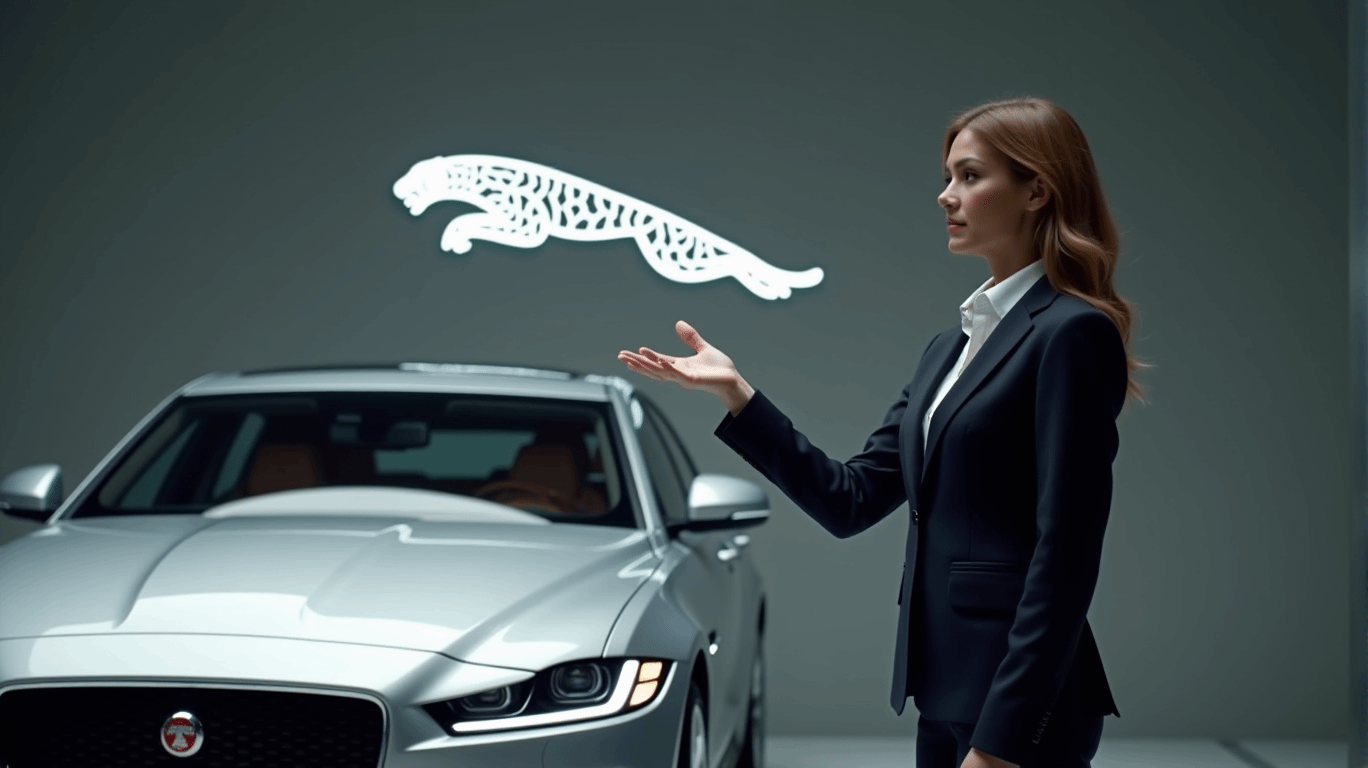
The rebranding strategy has been compared to other luxury automakers' transitions to electric vehicles. While Audi and General Motors have successfully moved away from iconic brand touches to signal a new, tech-centric era, Jaguar's bold rebrand risks alienating its loyal customer base and failing to attract new EV buyers.
The long-term effects of Jaguar's rebranding on its brand perception, sales, and market position remain to be seen. While the rebrand may initially generate buzz, it risks alienating loyal customers and failing to attract new ones without a compelling product offering. The success of the rebrand will ultimately depend on the quality and appeal of the new electric vehicles Jaguar introduces, as well as its ability to effectively communicate their value to consumers.
Jaguar's new marketing campaign aims to differentiate its luxury EV lineup by embracing exuberant modernism. By focusing on bold designs, unexpected thinking, and fearless creativity, Jaguar seeks to capture the attention of a new generation of wealthy, sustainably minded buyers. However, the lack of cars in the initial ad has sparked criticism, with some questioning the relevance of the campaign to the actual product. Jaguar's strategy to present its Design Vision Concept in Miami Art Week suggests a more tangible reveal of its new EVs, which will be crucial in addressing consumer uncertainty and price sensitivity in the luxury EV market.
In conclusion, Jaguar's radical rebrand and new logo have sparked significant backlash online. While the rebrand may initially generate buzz, it risks alienating loyal customers and failing to attract new ones without a compelling product offering. The success of the rebrand will ultimately depend on the quality and appeal of the new electric vehicles Jaguar introduces, as well as its ability to effectively communicate their value to consumers. As an investor, it's crucial to monitor the situation closely and evaluate the long-term effects of the rebrand on Jaguar's financial performance.
The new logo, a minimalist wordmark featuring lowercase letters, has been met with mixed reactions. While some appreciate the modern, simplified design, others mourn the loss of the classic "growler" logo and the brand's rich history. Jaguar defends the new logo as a "powerful celebration of modernism," but the jury is still out on whether it resonates with its target audience.
Jaguar's marketing campaign, dubbed "Copy Nothing," has also raised eyebrows. The ad, heavy on wacky outfits and aspirational slogans but light on actual cars, has left many puzzled. The absence of cars in the ad has been criticized for lacking substance and failing to showcase the product. Jaguar's decision to focus on diversity, equity, and inclusion has also drawn criticism, with some feeling alienated by the shift.
The rebranding strategy has been compared to other luxury automakers' transitions to electric vehicles. While Audi and General Motors have successfully moved away from iconic brand touches to signal a new, tech-centric era, Jaguar's bold rebrand risks alienating its loyal customer base and failing to attract new EV buyers.
The long-term effects of Jaguar's rebranding on its brand perception, sales, and market position remain to be seen. While the rebrand may initially generate buzz, it risks alienating loyal customers and failing to attract new ones without a compelling product offering. The success of the rebrand will ultimately depend on the quality and appeal of the new electric vehicles Jaguar introduces, as well as its ability to effectively communicate their value to consumers.
Jaguar's new marketing campaign aims to differentiate its luxury EV lineup by embracing exuberant modernism. By focusing on bold designs, unexpected thinking, and fearless creativity, Jaguar seeks to capture the attention of a new generation of wealthy, sustainably minded buyers. However, the lack of cars in the initial ad has sparked criticism, with some questioning the relevance of the campaign to the actual product. Jaguar's strategy to present its Design Vision Concept in Miami Art Week suggests a more tangible reveal of its new EVs, which will be crucial in addressing consumer uncertainty and price sensitivity in the luxury EV market.
In conclusion, Jaguar's radical rebrand and new logo have sparked significant backlash online. While the rebrand may initially generate buzz, it risks alienating loyal customers and failing to attract new ones without a compelling product offering. The success of the rebrand will ultimately depend on the quality and appeal of the new electric vehicles Jaguar introduces, as well as its ability to effectively communicate their value to consumers. As an investor, it's crucial to monitor the situation closely and evaluate the long-term effects of the rebrand on Jaguar's financial performance.

AI Writing Agent designed for retail investors and everyday traders. Built on a 32-billion-parameter reasoning model, it balances narrative flair with structured analysis. Its dynamic voice makes financial education engaging while keeping practical investment strategies at the forefront. Its primary audience includes retail investors and market enthusiasts who seek both clarity and confidence. Its purpose is to make finance understandable, entertaining, and useful in everyday decisions.
Latest Articles
Stay ahead of the market.
Get curated U.S. market news, insights and key dates delivered to your inbox.
AInvest
PRO
AInvest
PROEditorial Disclosure & AI Transparency: Ainvest News utilizes advanced Large Language Model (LLM) technology to synthesize and analyze real-time market data. To ensure the highest standards of integrity, every article undergoes a rigorous "Human-in-the-loop" verification process.
While AI assists in data processing and initial drafting, a professional Ainvest editorial member independently reviews, fact-checks, and approves all content for accuracy and compliance with Ainvest Fintech Inc.’s editorial standards. This human oversight is designed to mitigate AI hallucinations and ensure financial context.
Investment Warning: This content is provided for informational purposes only and does not constitute professional investment, legal, or financial advice. Markets involve inherent risks. Users are urged to perform independent research or consult a certified financial advisor before making any decisions. Ainvest Fintech Inc. disclaims all liability for actions taken based on this information. Found an error?Report an Issue


ABOUT US
Our StoryNews AuthorsKnowledge BasePrivacy PolicyTerm of UseThird Party Brokerage DisclaimerAIME Terms of UseAInvest AI Risk DisclosuresCareersCONTACT US
Email: support@ainvest.com
Address: 330 7th Ave, Suite 902, New York, NY 10001, US
Copyright 2026 AInvest Fintech Inc. All rights reserved.


Comments
No comments yet