
Jack in the Box Closures: Turnaround Strategy Targets Debt Reduction and Franchise Shift
 Aime Summary
- Jack in the Box plans to close 150-200 underperforming locations by 2026 to reduce debt and improve operational efficiency.
- The closures address a 7.4% same-store sales decline driven by reduced traffic among cost-sensitive consumers and rising costs.
- Proceeds from the $119 million Del Taco sale will help lower the company's 6x net debt-to-EBITDA leverage ratio.
- The chain's 'Jack on Track' strategy shifts toward a franchise-heavy model to reduce fixed costs and enable capital-light growth.
Jack in the Box is shuttering restaurants nationwide as part of a major restructuring effort. The 75-year-old fast-food chain faces pressure from declining sales and significant debt. Management's turnaround plan prioritizes financial stability through aggressive store closures and operational changes. Investors watch closely as the company battles commodity inflation and weak consumer demand in the competitive quick-service sector.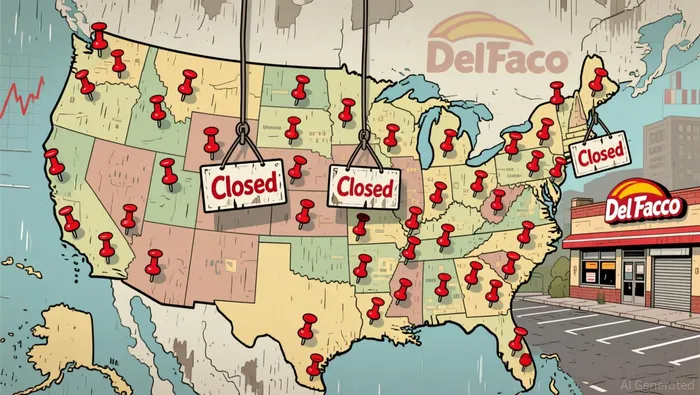
Why Is Jack in the BoxJACK-- Closing So Many Restaurants?
Jack in the Box closures target 150-200 underperforming locations through 2026, with 80-120 shutting by year-end. This responds to a steep 7.4% same-store sales drop driven by reduced visits from budget-conscious customers. Restaurant-level margins fell to 16.1% amid 6.9% beef inflation and rising labor expenses. The chain's heavy debt load remains a critical concern, with net debt-to-EBITDA hitting 6x. Executives aim to generate liquidity through asset sales including the $119 million divestiture of Del Taco. That sale provides cash to strengthen the balance sheet while focusing resources solely on the core brand.These fast food restaurants closing reflect broader industry strains as operators confront economic pressures.
Can Store Closures and Debt Reduction Revive the Fast Food Chain?
Jack in the Box's 'Jack on Track' plan uses closures to fund debt reduction while shifting toward a 95% franchise model. This capital-light approach lowers fixed costs and reduces corporate financial risk. Management simultaneously implements operational fixes including staff retraining and a 'barbell' pricing strategy mixing value meals with premium offerings. A $4.99 burger combo and $5 Smashed Jack target value perception issues that alienated customers. Still, execution risks persist amid ongoing commodity inflation and intense competition. The company targets 2026 EBITDA of $225M-$240M but must reverse same-store sales declines first. Success hinges on improving unit economics while navigating consumer spending weakness. Value investors remain divided on whether closures can sufficiently offset the chain's $1.7 billion debt burden.

Stay ahead of the market.
Get curated U.S. market news, insights and key dates delivered to your inbox.




Comments
No comments yet