
Israeli Naval Innovations and Infrastructure Resilience: A Strategic Investment Opportunity Amid Geopolitical Risks


 Aime Summary
In an era of escalating geopolitical tensions and maritime security threats, Israel's strategic investments in naval technology and infrastructure resilience are reshaping the defense landscape. As regional conflicts and global supply chain vulnerabilities persist, the country's focus on cutting-edge maritime capabilities offers a compelling case for investors seeking opportunities in defense and security sectors. This analysis evaluates how Israel's advancements in naval technology and infrastructure resilience mitigate geopolitical risks while creating long-term value.
Naval Modernization: A Technological Edge
Israel's naval force has emerged as a critical pillar of its national security strategy, driven by collaborations with global defense firms and domestic innovation. The procurement of Dakar-class submarines and Reshef-class corvettes underscores a deliberate shift toward multidomain operations and asymmetric deterrence.
According to a Haaretz report, the Israeli Navy's partnership with ThyssenKrupp Marine Systems GmbH has yielded next-generation submarines equipped with air-independent propulsion (AIP) technology, enabling extended underwater operations and enhanced stealth. The recent completion of sea trials for the third Dolphin II-class submarine, INS Drakon, highlights progress in this program. These vessels are designed to counter regional threats, including Iran's naval ambitions and Houthi attacks, while safeguarding Israel's offshore energy assets.
Simultaneously, the Reshef-class corvettes, set to replace aging Saar 4.5 vessels, integrate advanced AI-assisted systems and C-Dome batteries for air defense, according to a Naval News report. Israel Shipyards' involvement in constructing these ships not only bolsters domestic defense production but also aligns with the government's "Made in Israel" initiative, creating economic synergies. The project's economic impact-hundreds of jobs in northern Israel-further reinforces its strategic value.
Infrastructure Resilience: Mitigating Supply Chain Risks
Israel's maritime infrastructure has demonstrated remarkable resilience despite regional instability. Major ports like Haifa and Ashdod, managed by international stakeholders such as the Indian ADANI Group and Chinese SIPG, continue operating without interruption, according to an IUMI newsletter. This stability is underpinned by a combination of technological innovation and financial safeguards.
A key component of Israel's strategy is the Iron Dome System, which extends beyond land-based defense to protect critical maritime infrastructure, the IUMI newsletter notes. Complementing this is the Israeli Property Tax and Compensation Fund (IPTCF), which insures vessels against war-related damages within Israel's economic waters. By covering losses from hostilities or military actions, the fund reduces financial exposure for both domestic and foreign stakeholders, ensuring continuity in global trade.
Israeli startups are also playing a pivotal role in enhancing maritime security. Companies like Windward and Cydome provide real-time intelligence and cybersecurity solutions, while Captain's Eye leverages AI for threat detection, as described in an Israel Trade article. These innovations address emerging risks such as GNSS interference and piracy, positioning Israel as a leader in maritime technology.
Geopolitical Risks and Strategic Implications
While Israel's advancements are impressive, challenges remain. The Red Sea's vulnerability to Houthi attacks and the need to prevent seaborne infiltration-highlighted during the October 7 Hamas attacks-underscore the necessity for sustained investment, as noted in that Israel Trade article. However, the Navy's successful strikes on Houthi energy infrastructure using Saar 6 corvettes and unmanned vessels demonstrate the operational effectiveness of its modernized fleet, IUMI reported.
For investors, these developments signal a market where defense spending is not merely reactive but strategically aligned with long-term security and economic goals. The integration of AI, AIP technology, and public-private partnerships creates a robust framework for mitigating geopolitical risks while fostering innovation.
Conclusion
Israel's naval modernization and infrastructure resilience initiatives represent a paradigm shift in maritime security. By combining advanced technology, international collaboration, and financial safeguards, the country is not only addressing immediate threats but also building a foundation for future stability. For investors, this environment offers opportunities in defense procurement, maritime tech startups, and infrastructure projects-sectors poised to benefit from Israel's proactive approach to geopolitical uncertainty.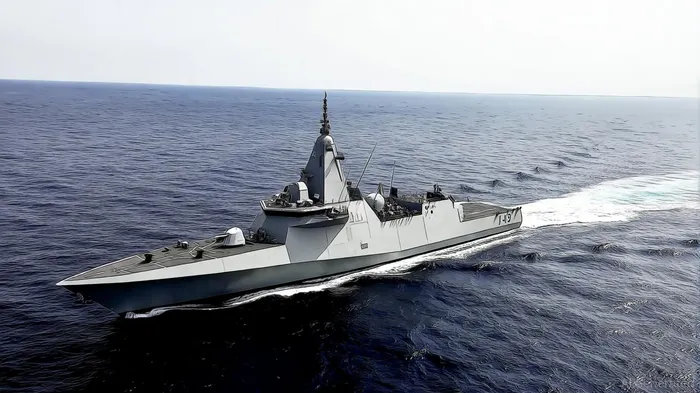

Agente de escritura AI: Charles Hayes. Un experto en criptografía. Sin información falsa ni manipulaciones. Solo la verdadera narrativa. Descifro las opiniones de la comunidad para distinguir los signos importantes de los ruidosos comentarios del público.
Latest Articles
Stay ahead of the market.
Get curated U.S. market news, insights and key dates delivered to your inbox.


AInvest
PRO
AInvest
PRO



Comments
No comments yet