
Israeli Army: We launch new wave of attacks on Iran
Israeli Army: We launch new wave of attacks on Iran
Israeli and U.S. Military Strikes on Iran Trigger Regional Tensions and Economic Uncertainty
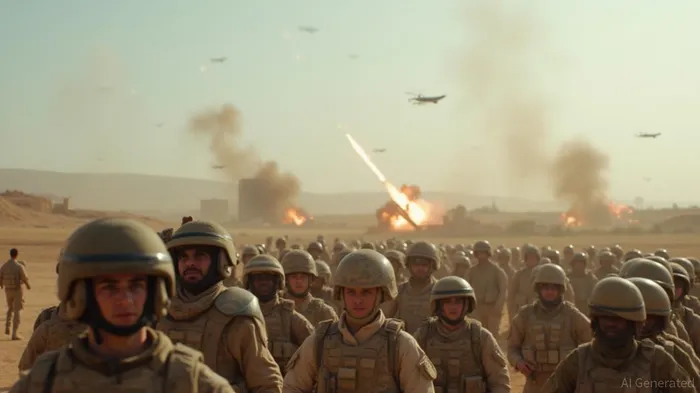
The Israeli military, in coordination with U.S. forces, launched a new wave of strikes against Iran on February 28, 2026, escalating regional tensions and raising concerns about economic repercussions. Israeli Defense Minister Israel Katz declared a nationwide state of emergency, warning of imminent Iranian missile and drone attacks. The operation, described by Israel as a preemptive measure to neutralize threats, involved hundreds of targets across Iran, including military infrastructure and leadership sites according to reports.
The strikes followed weeks of heightened U.S. military buildup in the Middle East and intensified diplomatic efforts to curb Iran's nuclear program, which both Israel and the U.S. allege remains a critical security threat according to analysis. Iranian state media reported explosions in Tehran and other cities, with initial casualty estimates suggesting over 200 dead and 700 injured initially reported. However, the extent of damage to Iran's nuclear facilities or leadership remains unconfirmed.
Economic implications are already emerging. Flights across the Middle East were disrupted, with airspace closures in Israel, the UAE, and Qatar complicating regional travel. Analysts warn that prolonged conflict could disrupt oil shipments through the Strait of Hormuz, a critical global energy artery. The U.S. military dubbed the operation "Operation Epic Fury," emphasizing its scale as the largest regional concentration of American military firepower in a generation.
Global markets reacted cautiously, with oil prices expected to fluctuate sharply depending on the conflict's trajectory according to market analysis. The International Atomic Energy Agency (IAEA) reported no immediate radiological impact from the strikes but noted ongoing inspections were hindered by Iran's restricted access to key sites according to IAEA reports.
International responses have been divided. The U.N. Security Council convened an emergency session, with Secretary-General António Guterres condemning the strikes as violations of international law and urging de-escalation. The European Union and several Gulf states called for restraint, while Iran's allies, including Russia and China, criticized the U.S. and Israel's actions.
As the situation evolves, investors face heightened uncertainty. Geopolitical risks, potential sanctions, and energy market volatility remain key concerns. The Israeli military has emphasized its commitment to "defend its citizens against any existential threat," but the long-term economic and political fallout of the strikes remains unclear.
Stay ahead of the market.
Get curated U.S. market news, insights and key dates delivered to your inbox.


AInvest
PRO
AInvest
PRO



Comments
No comments yet