
Israeli Airstrikes Escalate Tensions in Syria Amid Ceasefire and Sectarian Clashes
 Aime Summary
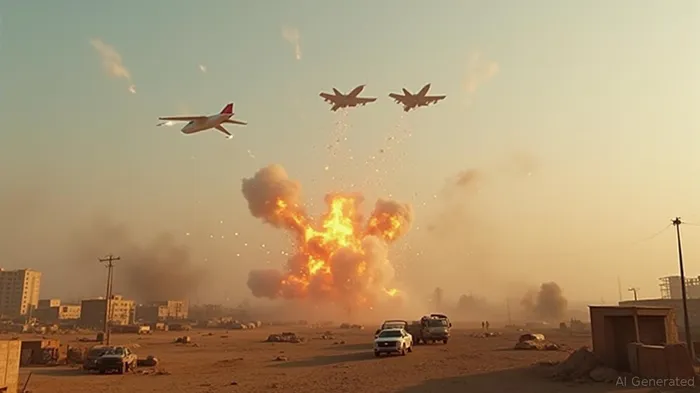
Plumes of smoke were visible over Damascus as Israeli airstrikes hit the Syrian capital on July 16. The strikes targeted the presidential palace, the defense ministry, and the army command, as reported, resulting in the death of at least one person and injuries to several others. This rare military action marks a significant escalation in tension between Israel and Syria.
Syrian government officials and Druze minority leaders announced a ceasefire after intense clashes in Sweida, prompted by tit-for-tat kidnappings and attacks between Druze factions and local Sunni Bedouin tribes. However, Israeli airstrikes continued despite the ceasefire announcement, with Israel justifying the escalation as a measure to defend the Druze and keep Islamic militants at bay from its borders. The Druze community is recognized in Israel as a loyal minority, often participating in military service, adding a complex layer to the regional dynamics.
The situation highlights the precarious post-war transition in Syria following the ousting of long-time leader Bashar Assad by a rebel offensive led by Islamist insurgents. Efforts to consolidate control by Syria’s new rulers, primarily Sunnis, have been met with suspicion from various religious and ethnic minorities. This suspicion has led to sectarian violence, such as the revenge attacks against the Alawite community to which Assad belonged.
Civilian casualties have mounted in recent incidents. The Syrian Observatory for Human Rights reported over 300 fatalities in the recent surge of violence, including women and children. Amidst the chaos, Israel has been blamed for exacerbating the situation with its airstrikes, targeting both troops and military convoys heading to Sweida.
The conflict has sown fear among the Druze population, both within Syria and those living abroad. Many with family in the conflict zones have faced communication blackouts, creating distress as reports of government forces attacking civilians continue to surface. As tensions simmer, the effectiveness of the newly announced ceasefire remains in question.
The Israeli Defense Minister stated that the "painful blows" would continue until the forces withdrew, a stark warning that resonates amidst ongoing regional instability. Israeli officials have expressed their position that they do not want Islamist militants near their borders and have thus undertaken a defensive posture by maintaining military presence in strategic areas, such as the Golan Heights.
The violence in Syria is exacerbated by sectarian divides and the challenge of forging unity under new governance. Since the new leadership in Syria is perceived as having an Islamist tilt, minority groups like the Druze are demanding greater integration and representation in national dialogues—a demand that remains unmet.
Amidst these developments, international voices have weighed in, including the United States, which has lifted certain sanctions on Syria, indicating changing diplomatic dynamics. The U.S. has engaged in discussions with both Israel and Syria aimed at stabilizing the region. Despite these dialogues, the ground situation remains fraught with complexities, leaving the path to lasting peace uncertain.
As the region endures volatile conditions, the humanitarian toll rises with reports of executions, looting, and destruction, underscoring the dire need for a resolution that ensures security and stability for all affected communities. The international community continues to emphasize the importance of de-escalation and protection of civilians as key aspects in resolving the ongoing conflict.

Stay ahead of the market.
Get curated U.S. market news, insights and key dates delivered to your inbox.


AInvest
PRO
AInvest
PRO



Comments
No comments yet