
Israel Iran Conflict Escalates After Nuclear Site Strikes
During an emergency meeting of the UN Security Council on June 13, 2025, tensions between Israel and Iran escalated sharply as both nations exchanged severe accusations regarding military actions targeting nuclear sites. The conflict began when Israel launched a series of devastating strikes on Iran's nuclear program and armed forces, resulting in significant damage and casualties. Iran's ambassador to the UN reported that at least 78 people were killed and more than 300 were wounded in the attacks.
Israel's defense minister, Israel Katz, issued a stern warning to Iran, stating that "Tehran will burn" if Iran continued to launch missiles at Israel. This warning came after Iran retaliated with waves of drones and ballistic missiles, targeting major Israeli cities such as Jerusalem and Tel Aviv. The Israeli military reported that three civilians had died and dozens were wounded in the retaliatory strikes. The Israeli Iron Dome air defense system was activated to intercept the incoming missiles, and U.S. forces assisted in shooting down some of the Iranian projectiles.
The conflict has raised concerns about a potential all-out war between the two countries, with both sides vowing to continue their attacks. Israeli Prime Minister Benjamin Netanyahu confirmed the civilian deaths and emphasized that Israel was facing a "double threat" from Iran—both nuclear and ballistic missiles. He stated that Israel's strikes had inflicted severe damage on Iran's central enrichment site in Natanz, as well as other key facilities.
Iran's Supreme Leader, Ayatollah Ali Khamenei, responded to the attacks by vowing retaliation, stating that Iran would not allow Israel to escape the consequences of its actions. Iranian state television reported air defenses firing in several cities, signaling the start of a new wave of Israeli attacks. Footage from Tabriz showed black smoke rising from the city, indicating the intensity of the strikes.
The Israeli military confirmed that it had carried out overnight strikes on dozens of targets in the Tehran area, including air defenses. The strikes were part of a broader campaign that had been months in the making, with Israel's Mossad spy agency positioning explosive drones and precision weapons inside Iran ahead of time. The initial wave of strikes gave Israel significant freedom of movement in Iran's skies, clearing the way for further attacks.
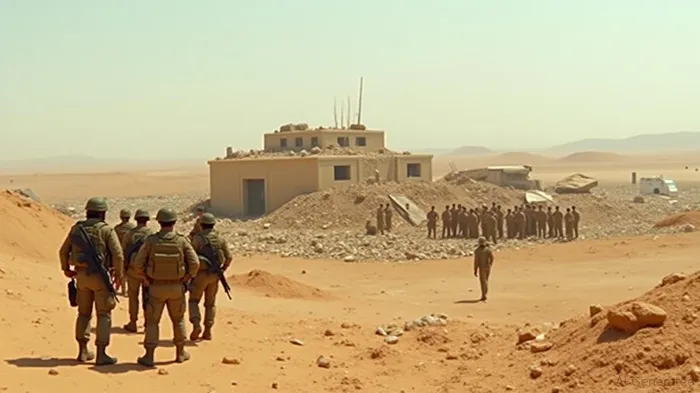
Among the key sites targeted by Israel was Iran's main nuclear enrichment facility in Natanz, where black smoke could be seen rising into the air. The above-ground section of the facility was destroyed, according to the UN nuclear chief. Israel also struck a second, smaller nuclear enrichment facility in Fordo and a nuclear research facility in Isfahan. The loss of power at the Natanz facility could have damaged the underground infrastructure, further hampering Iran's nuclear capabilities.
The conflict has also had a significant impact on diplomatic efforts. Talks between the U.S. and Iran, aimed at resolving the nuclear issue, were called off on Sunday. Oman's foreign minister stated that diplomacy and dialogue remained the only pathway to lasting peace, but the current situation has made it difficult for talks to proceed. The U.S. has expressed its commitment to protecting American assetsAAT-- in the Middle East and has been assisting Israel in intercepting Iranian missiles.
The escalating tensions have drawn condemnation from countries around the world, with leaders calling for immediate de-escalation. The conflict has also raised fears of a wider war that could draw in other major powers, further destabilizing the region. The situation remains fluid, with both Israel and Iran showing no signs of backing down from their respective positions.
During the UN Security Council meeting, Iran's representative, Saeed Iravani, criticized Israeli military actions as state terrorism, accusing breakthroughs in nuclear diplomacy. According to Iravani, "Israeli strikes are a serious violation of international law and an act of state terrorism." In contrast, Israel's representative, Danny Danon, justified the strikes as necessary to prevent nuclear weapon development, citing international failure to restrict Iran's ambitions. Meanwhile, the U.S. denied involvement, urging Iran towards diplomacy.
Market participants keenly observe, aware of potential crypto volatility due to unresolved issues between the two nations. Historically, geopolitical tensions involving nuclear questions lead to heightened market responses. Investors often look to digital assets amid global uncertainties. The immediate effects involve increased market focus on cryptocurrencies such as BTC and ETH. Emergency meetings often amplify asset shifts, but long-term impacts depend on diplomatic resolutions and geopolitical stability. While regulatory landscapes remain inert, market players eye BTC's historical stability as a potential hedge amid prevailing uncertainties.

Stay ahead of the market.
Get curated U.S. market news, insights and key dates delivered to your inbox.


AInvest
PRO
AInvest
PRO



Comments
No comments yet