
Israel-Hamas Ceasefire Talks: A Brief History and Analysis
ByAinvest
Saturday, May 31, 2025 4:56 pm ET2min read
GH--
Hamas, a proscribed terror group, has responded to the US ceasefire proposal by offering to release 10 living Israeli hostages and 18 dead hostages in exchange for a number of Palestinian prisoners. However, Hamas has insisted on a permanent ceasefire, complete Israeli withdrawal from Gaza, and guarantees for the continuous flow of humanitarian aid. These demands are not included in the current proposal [1].
The US special envoy for the Middle East, Steve Witkoff, described Hamas's response as "totally unacceptable," and called for the group to accept the framework proposal as the basis for proximity talks. Witkoff stated that the only way to close a 60-day ceasefire deal in the coming days is to accept the current terms [1].
Meanwhile, the humanitarian situation in Gaza is dire. The UN warns of a severe hunger crisis affecting Gaza's 2.3 million Palestinians. Israeli attacks have killed at least 70 people across Gaza, and thousands of Palestinians are struggling to access limited aid supplies [2]. The Israel- and US-backed Gaza Humanitarian Foundation (GHF) has faced criticism for its aid distribution methods, with allegations of surveillance-based rationing and excluding Palestinians from aid [2].
Despite the challenges, the GHF has opened two aid distribution centers in Gaza, distributing food packages to thousands of Palestinians. However, the situation remains urgent, with the UN describing the amount of aid Israel has allowed as "comparable to a lifeboat after the ship has sunk" [2].
The complexities of the ceasefire negotiations are evident. Israel is under pressure to bring hostages home and has agreed to the updated Witkoff outline for their release, but Hamas's core demand for guarantees that the temporary truce be a path to ending the war remains unmet [1]. Netanyahu has stated that the war will end when Hamas "lays down its arms, is no longer in government, and its leaders are exiled from the Gaza Strip" [1].
As the talks continue, the international community's focus remains on ensuring a lasting ceasefire and addressing the humanitarian crisis in Gaza. The outcome of these negotiations will have significant implications for the region and the global community.
References:
[1] https://www.bbc.com/news/articles/c17rzyw72jko
[2] https://www.aljazeera.com/news/2025/5/29/two-dead-after-crowds-rush-un-aid-warehouse-amid-gaza-hunger-crisis
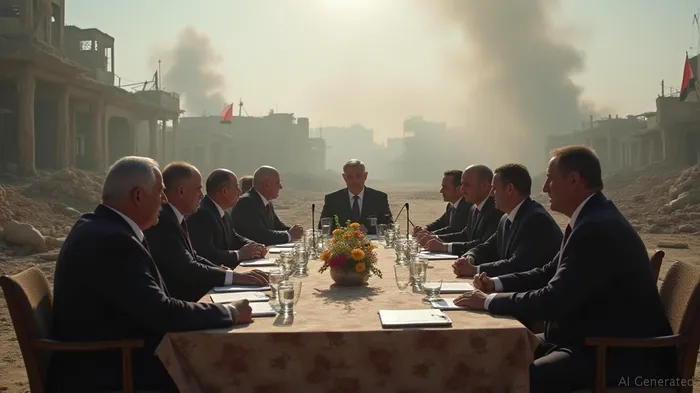
Israel and Hamas are in talks for a lasting ceasefire in Gaza, mediated by the US, amidst increasing international pressure. The war has resulted in over 54,000 Palestinian deaths and 123,000 wounded, with Israel's objectives of dismantling Hamas and securing hostage release unmet. Israel's allies, including Germany and the UK, have intensified criticism of the war, leading to pressure on Prime Minister Netanyahu's government to accept a ceasefire proposal. The UN warns of a severe hunger crisis affecting Gaza's 2.3 million Palestinians.
Israel and Hamas are engaged in delicate ceasefire negotiations, mediated by the United States, amidst mounting international pressure. The ongoing conflict has resulted in over 54,000 Palestinian deaths and 123,000 wounded, with Israel's primary objectives of dismantling Hamas and securing the release of hostages remaining unfulfilled. Allies such as Germany and the UK have intensified criticism of the war, exerting pressure on Prime Minister Benjamin Netanyahu's government to accept the ceasefire proposal.Hamas, a proscribed terror group, has responded to the US ceasefire proposal by offering to release 10 living Israeli hostages and 18 dead hostages in exchange for a number of Palestinian prisoners. However, Hamas has insisted on a permanent ceasefire, complete Israeli withdrawal from Gaza, and guarantees for the continuous flow of humanitarian aid. These demands are not included in the current proposal [1].
The US special envoy for the Middle East, Steve Witkoff, described Hamas's response as "totally unacceptable," and called for the group to accept the framework proposal as the basis for proximity talks. Witkoff stated that the only way to close a 60-day ceasefire deal in the coming days is to accept the current terms [1].
Meanwhile, the humanitarian situation in Gaza is dire. The UN warns of a severe hunger crisis affecting Gaza's 2.3 million Palestinians. Israeli attacks have killed at least 70 people across Gaza, and thousands of Palestinians are struggling to access limited aid supplies [2]. The Israel- and US-backed Gaza Humanitarian Foundation (GHF) has faced criticism for its aid distribution methods, with allegations of surveillance-based rationing and excluding Palestinians from aid [2].
Despite the challenges, the GHF has opened two aid distribution centers in Gaza, distributing food packages to thousands of Palestinians. However, the situation remains urgent, with the UN describing the amount of aid Israel has allowed as "comparable to a lifeboat after the ship has sunk" [2].
The complexities of the ceasefire negotiations are evident. Israel is under pressure to bring hostages home and has agreed to the updated Witkoff outline for their release, but Hamas's core demand for guarantees that the temporary truce be a path to ending the war remains unmet [1]. Netanyahu has stated that the war will end when Hamas "lays down its arms, is no longer in government, and its leaders are exiled from the Gaza Strip" [1].
As the talks continue, the international community's focus remains on ensuring a lasting ceasefire and addressing the humanitarian crisis in Gaza. The outcome of these negotiations will have significant implications for the region and the global community.
References:
[1] https://www.bbc.com/news/articles/c17rzyw72jko
[2] https://www.aljazeera.com/news/2025/5/29/two-dead-after-crowds-rush-un-aid-warehouse-amid-gaza-hunger-crisis
Stay ahead of the market.
Get curated U.S. market news, insights and key dates delivered to your inbox.
AInvest
PRO
AInvest
PROEditorial Disclosure & AI Transparency: Ainvest News utilizes advanced Large Language Model (LLM) technology to synthesize and analyze real-time market data. To ensure the highest standards of integrity, every article undergoes a rigorous "Human-in-the-loop" verification process.
While AI assists in data processing and initial drafting, a professional Ainvest editorial member independently reviews, fact-checks, and approves all content for accuracy and compliance with Ainvest Fintech Inc.’s editorial standards. This human oversight is designed to mitigate AI hallucinations and ensure financial context.
Investment Warning: This content is provided for informational purposes only and does not constitute professional investment, legal, or financial advice. Markets involve inherent risks. Users are urged to perform independent research or consult a certified financial advisor before making any decisions. Ainvest Fintech Inc. disclaims all liability for actions taken based on this information. Found an error?Report an Issue




Comments
No comments yet