
Islamic Coin (ISLM) Aligns With Sharia Compliance in 2026 Crypto Market
 Aime Summary
Islamic Coin (ISLM) is a cryptocurrency built on HAQQ blockchain to align with Islamic finance principles by prohibiting riba (interest), gharar (uncertainty), and maysir (gambling). ISLM integrates with Islamic banks and uses smart contracts and a Sharia board to enforce compliance and automate zakat collection.
Islamic Coin (ISLM) is a cryptocurrency explicitly designed to align with Islamic finance principles, including the prohibition of riba (interest), gharar (uncertainty), and maysir (gambling) according to the 2026 Islamic finance guide. The cryptocurrency is built on the HAQQ blockchain and features a dedicated Sharia board to oversee compliance as reported. This governance model ensures adherence to Islamic ethical standards, including avoiding interest-based activities and promoting real economic value according to analysis.
ISLM integrates with Islamic financial institutions, such as Abu Dhabi Islamic Bank and Dubai Islamic Bank, enabling ethical digital asset management as noted. Smart contracts ensure that no interest-based mechanisms are used and that transactions remain transparent according to technical specifications. The coin also allows for the automated collection and distribution of zakat, a core Islamic financial practice as highlighted.
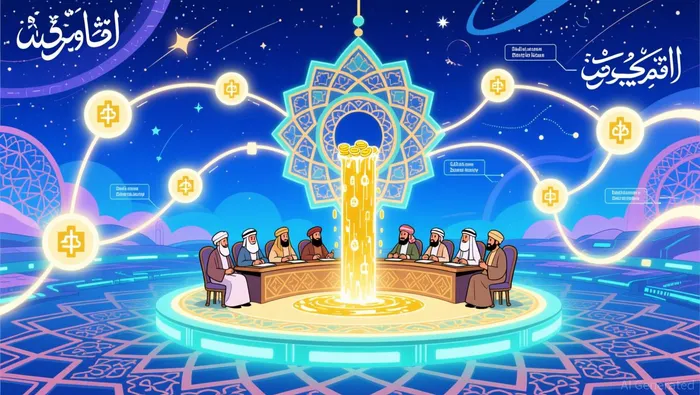
The 2026 Islamic finance guide highlights ISLM as a model for future Sharia-compliant cryptocurrencies, noting that BitcoinBTC-- is considered permissible when held as a long-term asset, while EthereumETH-- staking is debated according to the guide. The guide outlines practical guidelines for Muslim investors, including avoiding interest-bearing activities and choosing projects with real utility as recommended.
What Makes Islamic Coin (ISLM) Unique in the Crypto Market?
Islamic Coin (ISLM) is one of the few projects explicitly designed to avoid the prohibitions of riba, gharar, and maysir, which are central to Islamic financial law according to analysis. The project has garnered attention from both scholars and financial institutions as an example of how blockchain can align with religious principles as reported.
The design of Islamic Coin is notable for its use of smart contracts that enforce Sharia compliance automatically according to technical documentation. These contracts prevent interest-bearing mechanisms and ensure transparency in transactions as specified. Additionally, the coin allows for the automated collection and distribution of zakat, a core Islamic financial practice as detailed.
ISLM is built on the HAQQ blockchain and features a dedicated Sharia board to oversee compliance as described. This governance model ensures that the project adheres to Islamic ethical standards, including avoiding interest-based activities and promoting real economic value according to analysis.
What Is the Market Potential of Sharia-Compliant Cryptocurrencies?
The global Islamic finance market is projected to reach $6.67 trillion by 2027 according to market research. With the rise of cryptocurrency, Muslim investors face the question of whether crypto is halal as explored. The three core prohibitions in Islamic finance are riba (interest), gharar (uncertainty), and maysir (gambling) according to Sharia principles.
Bitcoin is debated—some scholars view it as halal when held as a long-term asset, while others argue it lacks intrinsic value and is speculative according to scholarly analysis. Ethereum's staking mechanism raises questions about whether it resembles interest-based income as discussed.
Islamic Coin (ISLM) is highlighted as a halal investment option due to its governance model and technical compliance framework according to the guide. The guide also advises Muslim investors to focus on spot trading, avoid interest-bearing activities, and screen for prohibited industries as recommended.
What Are the Institutional and Regulatory Developments in Islamic Finance?
Institutional Islamic finance integration is growing, with Islamic banks offering crypto custody services for BTC and ETH as reported. Standard Chartered, HSBC Amanah, and Gulf-region banks are piloting Sharia-compliant crypto products according to industry reports. Tokenized sukuk (Islamic bonds) are moving on-chain, with blockchain's transparency helping buyers verify issuer credibility and ensure assets backing sukuk are halal as noted.
Smart contracts for Sharia compliance are being used to enforce ethical rules such as no interest, automated zakat collection, and transparent fund allocation according to technology analysis. This technology could solve compliance challenges that plagued previous attempts as observed.
Regulatory clarity is also increasing in countries like Malaysia, UAE, and Indonesia, developing crypto regulations that acknowledge Sharia requirements according to regulatory updates. Expect more halal-certified exchanges and custodians in 2026 as forecasted.
Uzbekistan plans to introduce Islamic finance criteria and procedures in at least three commercial banks by 2030 as part of its updated Uzbekistan-2030 Strategy according to government plans. The government intends to establish a comprehensive legal framework for Islamic finance and gradually introduce Sharia-compliant financial products into the national banking system as stated.
Islamic banking operates in strict compliance with the tenets of Sharia jurisprudence, emphasizing equitable profit and loss distribution, integrity, transparency, and ethical conduct in fiscal transactions as described.
Mega Matrix Inc. (MPU) has entered into a memorandum of understanding with Ihsan Dhahab Sdn Bhd to develop a Shariah-compliant digital bullion bank and other innovative fintech projects in the precious metals sector according to the announcement. The projects include a gold-backed token and stablecoin, a bullion exchange, and Islamic digital banking services as detailed.
Mega Matrix will contribute its expertise in stablecoins and Web3, including corporate structuring and capital markets strategy, while Ihsan Dhahab will leverage its regional presence in the Middle East as outlined. The collaboration aims to align with Islamic finance principles and expand the digital financial infrastructure for the precious metals market according to the partnership agreement.
Digital Currency X Technology Inc. (DCX) has executed a staking agreement with EdgeAI Foundation to stake over 100 million EdgeAI tokens for a 12-month term according to the announcement. The staking arrangement provides a floating annualized yield between 3.5% and 8%, with rewards distributed in EdgeAI tokens as specified.
The agreement aims to optimize DCX's treasury by generating yield on its digital asset holdings while maintaining its strategic position in the EdgeAI ecosystem according to the statement. Melissa Chen, CEO of DCX, highlighted the disciplined approach to treasury optimization and the added value for shareholders through yield generation as reported.
The Foundation has committed to ensuring the proper operation of the mainnet and reward distribution systems according to the agreement. This partnership represents a key component of DCX's broader digital currency strategy, including participation in DeFi ecosystems and development of secure custody solutions as detailed.

Blending traditional trading wisdom with cutting-edge cryptocurrency insights.
Latest Articles
Stay ahead of the market.
Get curated U.S. market news, insights and key dates delivered to your inbox.


AInvest
PRO
AInvest
PRO



Comments
No comments yet