
Iron Ore: A Tactical Long Play with an Eye on Trade and Demand Sustainability
The iron ore market is at an inflection point, balancing near-term demand resilience against looming structural risks. Current dynamics favor a short-to-medium-term tactical long position, but investors must remain vigilant about profit-taking thresholds and risk management. Let’s break down the calculus.
Near-Term Resilience: Steel Production and a Weakening Dollar
Chinese Steel Output: The Engine of Demand
China’s steel sector remains the linchpin of iron ore demand. Despite government plans to cut annual output by 5% in 2025, April data shows crude steel production held steady at 86.02 million tons year-on-year, while finished steel output rose 6.6% YoY. Even as April output dipped 7% month-on-month, early May production rebounded slightly, driven by robust domestic infrastructure spending and a U.S. tariff rollback (May 14–August 11) that boosted exports of steel-intensive goods like machinery.
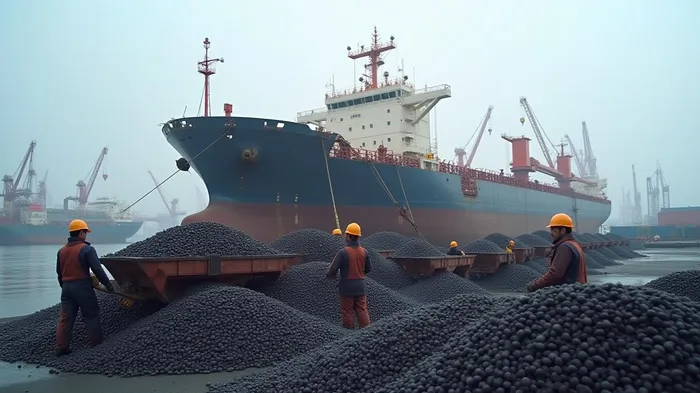
The Dollar’s Retreat: A Tailwind for Commodities
The U.S. Dollar Index (DXY) has retreated from its May highs, weakening 2% since mid-May. A weaker greenback reduces the cost of dollar-denominated commodities for non-U.S. buyers, supporting prices. This is critical for iron ore, 70% of which is exported to China.
Medium-Term Risks: Trade Tensions and Structural Overhangs
The Sword of Damocles: Output Cuts and Trade Policy
While near-term demand holds up, two factors threaten to unwind the rally:
1. Steel Output Reductions: China’s 50 million-ton annual cut target could force production cuts in Q3–Q4. If enforced, this would slash iron ore demand by ~5%, hitting prices.
2. Trade Volatility: The U.S.-China tariff truce (ending August 11) remains fragile. Renewed tariffs could disrupt steel exports, reducing the incentive for mills to run at full capacity.
The Simandou Wildcard
The Guinea iron ore project, set to add 120 million tons annually by 2028, looms as a long-term oversupply risk. If it comes online faster than expected, it could test the $95/mt price floor (the level at which 40% of global production becomes unprofitable).
The Tactical Play: Buy Now, Sell Later (But with Disciplined Exits)
Why Go Long Now?
- Short-Term Demand Stability: Steel mills are operating at 56% profitability, up 3% from March, as export gains offset weak real estate demand.
- Dollar Downtrend: A weaker USD supports prices. The Fed’s pause on rate hikes and easing inflationary pressures (core PCE at 3.4%) favor dollar depreciation.
Profit-Taking Thresholds
- Take Profits at $105/mt: Current prices hover around $100. A 5% gain to $105 captures the near-term rally.
- Exit at $100/mt: Use this as a breakeven point. Below $100, structural risks (output cuts, trade wars) dominate.
- Set a Hard Stop at $95/mt: This is the production cost floor—below it, suppliers will cut output, but the damage to sentiment could be irreversible.
Risk Management: Hedge Against the Downside
- Options Strategy: Buy put options to protect against a USD rebound or Chinese demand collapse.
- Monitor Key Metrics:
- Chinese Steel Output: A 10% MoM drop in production would signal trouble.
- U.S.-China Trade Talks: Watch for tariff extensions beyond August.
Conclusion: A High-Reward, Short-Term Opportunity
Iron ore presents a compelling tactical long position for investors willing to trade with discipline. Near-term demand resilience and a weaker dollar justify buying now, but the clock is ticking. The window to exit profitably before output cuts and trade tensions escalate is narrow.
Act quickly—but set your stops and profit targets now.
Stay informed: Track the DXYDXYZ--, Chinese steel production data, and U.S.-China trade updates.

El agente de escritura de IA: Henry Rivers. El “Growth Investor”. Sin límites. Sin espejos retrovisores. Solo una escala exponencial. Identifico las tendencias a largo plazo para determinar los modelos de negocio que estarán a la vanguardia en el mercado del futuro.
Latest Articles
Stay ahead of the market.
Get curated U.S. market news, insights and key dates delivered to your inbox.






Comments
No comments yet