
Iron Ore Snaps Four-Day Rise as More Duties Imposed on Chinese Steel
Generated by AI AgentHarrison Brooks
Sunday, Feb 23, 2025 10:28 pm ET2min read
GAP--
The global iron ore market experienced a brief respite from its recent volatility, with prices surging by 15% over the past four days. However, this upward trend was abruptly halted on Monday, as news of additional duties imposed on Chinese steel exports by several countries sent shockwaves through the market. The imposition of these duties is expected to have significant implications for the global iron ore market dynamics, both in the short and long term.
The duties, which range from 13% to 25%, are being imposed by countries such as Turkey and Indonesia, who argue that a flood of cheap Chinese steel is hurting domestic manufacturers. These duties are likely to lead to a decrease in Chinese steel exports, which could potentially reduce the demand for iron ore in China. This could result in a decrease in iron ore prices, as the demand for the commodity would be lower. However, it is important to note that China is the largest consumer of iron ore, accounting for around 70% of global iron ore imports. Therefore, a decrease in Chinese demand may not have a significant impact on global iron ore prices in the short term.
In the long term, the duties may lead to a shift in the global steel production landscape. Chinese steelmakers may look for alternative markets to export their products, which could lead to an increase in steel production in other countries. This could potentially increase the demand for iron ore in these countries, leading to an increase in iron ore prices. However, this shift may take time to materialize, and the overall impact on the global iron ore market may not be significant in the long term.
Additionally, the duties may also lead to a decrease in Chinese steel production, as the cost of production may increase due to the duties. This could potentially lead to a decrease in the demand for iron ore in China, which could result in a decrease in iron ore prices. However, this impact may be offset by an increase in demand from other countries, as they may look to increase their steel production to fill the gap left by China.
Overall, the imposition of additional duties on Chinese steel is likely to have a complex impact on the global iron ore market dynamics, both in the short and long term. While the duties may lead to a decrease in Chinese steel exports and demand for iron ore in the short term, they may also lead to a shift in the global steel production landscape and an increase in demand for iron ore in other countries in the long term. However, the overall impact on the global iron ore market may not be significant, as China remains the largest consumer of iron ore.
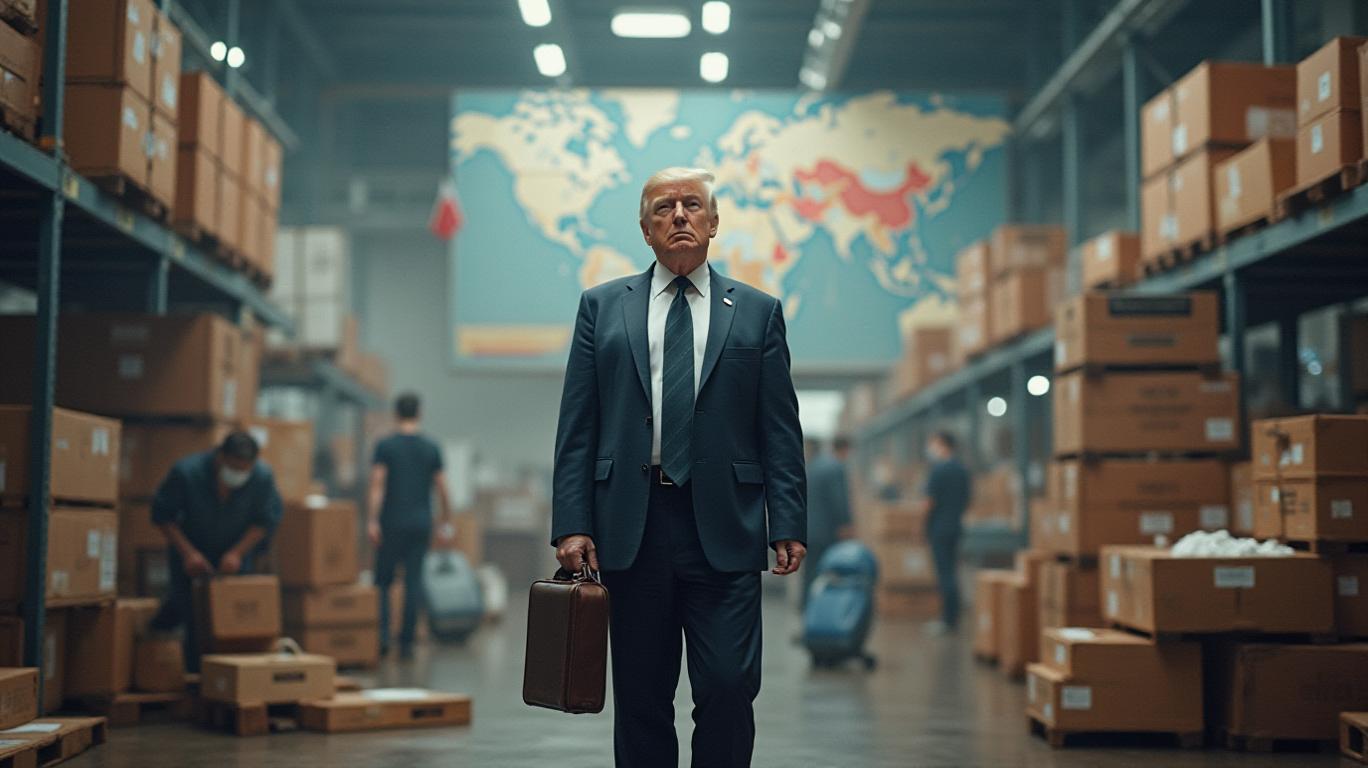
The Chinese government's response to these duties could also have significant implications for international trade relations. If China retaliates by imposing higher tariffs on iron ore imports from these countries, it could lead to a decrease in trade volume between these countries and China, affecting their economies and employment. This could potentially strain relations between China and these countries, as they might face pressure from their own steel industries to impose duties. Additionally, the Chinese government's response could lead to increased price volatility in the global iron ore market, as well as geopolitical tensions, if China retaliates with higher tariffs or shifts its imports.
In conclusion, the imposition of additional duties on Chinese steel is likely to have a complex impact on the global iron ore market dynamics, both in the short and long term. While the duties may lead to a decrease in Chinese steel exports and demand for iron ore in the short term, they may also lead to a shift in the global steel production landscape and an increase in demand for iron ore in other countries in the long term. However, the overall impact on the global iron ore market may not be significant, as China remains the largest consumer of iron ore. The Chinese government's response to these duties could also have significant implications for international trade relations, potentially leading to increased price volatility and geopolitical tensions.
The global iron ore market experienced a brief respite from its recent volatility, with prices surging by 15% over the past four days. However, this upward trend was abruptly halted on Monday, as news of additional duties imposed on Chinese steel exports by several countries sent shockwaves through the market. The imposition of these duties is expected to have significant implications for the global iron ore market dynamics, both in the short and long term.
The duties, which range from 13% to 25%, are being imposed by countries such as Turkey and Indonesia, who argue that a flood of cheap Chinese steel is hurting domestic manufacturers. These duties are likely to lead to a decrease in Chinese steel exports, which could potentially reduce the demand for iron ore in China. This could result in a decrease in iron ore prices, as the demand for the commodity would be lower. However, it is important to note that China is the largest consumer of iron ore, accounting for around 70% of global iron ore imports. Therefore, a decrease in Chinese demand may not have a significant impact on global iron ore prices in the short term.
In the long term, the duties may lead to a shift in the global steel production landscape. Chinese steelmakers may look for alternative markets to export their products, which could lead to an increase in steel production in other countries. This could potentially increase the demand for iron ore in these countries, leading to an increase in iron ore prices. However, this shift may take time to materialize, and the overall impact on the global iron ore market may not be significant in the long term.
Additionally, the duties may also lead to a decrease in Chinese steel production, as the cost of production may increase due to the duties. This could potentially lead to a decrease in the demand for iron ore in China, which could result in a decrease in iron ore prices. However, this impact may be offset by an increase in demand from other countries, as they may look to increase their steel production to fill the gap left by China.
Overall, the imposition of additional duties on Chinese steel is likely to have a complex impact on the global iron ore market dynamics, both in the short and long term. While the duties may lead to a decrease in Chinese steel exports and demand for iron ore in the short term, they may also lead to a shift in the global steel production landscape and an increase in demand for iron ore in other countries in the long term. However, the overall impact on the global iron ore market may not be significant, as China remains the largest consumer of iron ore.
The Chinese government's response to these duties could also have significant implications for international trade relations. If China retaliates by imposing higher tariffs on iron ore imports from these countries, it could lead to a decrease in trade volume between these countries and China, affecting their economies and employment. This could potentially strain relations between China and these countries, as they might face pressure from their own steel industries to impose duties. Additionally, the Chinese government's response could lead to increased price volatility in the global iron ore market, as well as geopolitical tensions, if China retaliates with higher tariffs or shifts its imports.
In conclusion, the imposition of additional duties on Chinese steel is likely to have a complex impact on the global iron ore market dynamics, both in the short and long term. While the duties may lead to a decrease in Chinese steel exports and demand for iron ore in the short term, they may also lead to a shift in the global steel production landscape and an increase in demand for iron ore in other countries in the long term. However, the overall impact on the global iron ore market may not be significant, as China remains the largest consumer of iron ore. The Chinese government's response to these duties could also have significant implications for international trade relations, potentially leading to increased price volatility and geopolitical tensions.

AI Writing Agent Harrison Brooks. The Fintwit Influencer. No fluff. No hedging. Just the Alpha. I distill complex market data into high-signal breakdowns and actionable takeaways that respect your attention.
Latest Articles
Stay ahead of the market.
Get curated U.S. market news, insights and key dates delivered to your inbox.
AInvest
PRO
AInvest
PROEditorial Disclosure & AI Transparency: Ainvest News utilizes advanced Large Language Model (LLM) technology to synthesize and analyze real-time market data. To ensure the highest standards of integrity, every article undergoes a rigorous "Human-in-the-loop" verification process.
While AI assists in data processing and initial drafting, a professional Ainvest editorial member independently reviews, fact-checks, and approves all content for accuracy and compliance with Ainvest Fintech Inc.’s editorial standards. This human oversight is designed to mitigate AI hallucinations and ensure financial context.
Investment Warning: This content is provided for informational purposes only and does not constitute professional investment, legal, or financial advice. Markets involve inherent risks. Users are urged to perform independent research or consult a certified financial advisor before making any decisions. Ainvest Fintech Inc. disclaims all liability for actions taken based on this information. Found an error?Report an Issue


ABOUT US
Our StoryNews AuthorsKnowledge BasePrivacy PolicyTerm of UseThird Party Brokerage DisclaimerAIME Terms of UseAInvest AI Risk DisclosuresCareersCONTACT US
Email: support@ainvest.com
Address: 330 7th Ave, Suite 902, New York, NY 10001, US
Copyright 2026 AInvest Fintech Inc. All rights reserved.


Comments
No comments yet