
Iron Ore's Rally Gains Momentum Amid Stimulus Hopes and Supply Tightness
 Aime Summary
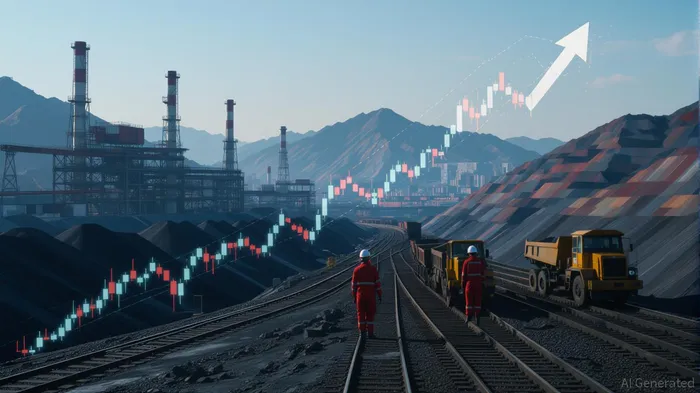
The iron ore market is experiencing a revival, driven by a confluence of policy optimism, supply-side constraints, and resilient demand. As Chinese policymakers signal potential fiscal stimulus measures and global supply chains face disruptions, traders are positioning for further price gains. Here's why investors should consider taking a strategic long position in iron ore futures—and the risks to watch.
Policy Tailwinds Fuel Optimism
Chinese authorities are under pressure to stabilize growth amid slowing property markets and trade tensions with the U.S. Markets are pricing in the likelihood of aggressive fiscal measures, including higher fiscal deficits and targeted infrastructure spending, to counter these headwinds.
Steel production—directly tied to iron ore demand—is already showing resilience. The operating rate of blast furnaces at 242 Chinese steel mills rose to 87.41% in July, a 0.13 percentage point increase month-over-month, while daily hot metal output hit 2.4166 million metric tons—up 4,800 mt MoM. This activity suggests mills are prioritizing production despite weaker finished steel sales in some regions.
The July Political Bureau meeting looms as a critical catalyst. Expectations of infrastructure spending boosts, coupled with “anti-cut-throat competition” policies to stabilize steel prices, have already supported demand sentiment. If these measures materialize, iron ore's upward momentum could accelerate further.
Supply Constraints Add to the Rally
Global iron ore shipments fell 12.27% week-over-week in early July due to scheduled maintenance at Australian and Brazilian mines, logistical bottlenecks, and end-of-quarter production adjustments. This tight supply environment has tightened port inventories in China to 125.6 million metric tons, a 5-year low, amplifying price pressures.
Meanwhile, domestic ore prices in key regions like Tangshan and Shandong rose 5–20 yuan/mt in July, reflecting a narrowing spread with imported ore. This dynamic could encourage steel mills to favor domestic supplies, further supporting prices.
Technical and Fundamental Validation
Futures prices for the DCE I2509 contract have surged to 773 yuan/mt, a 1.05% daily gain, with technical indicators showing bullish momentum. The Relative Strength Index (RSI) remains neutral (around 59), and prices are holding above the 50-day moving average (near $97/mt), suggesting buyers still dominate.
Historically, iron ore prices have tracked closely with Chinese steel production and infrastructure spending. With steel output hitting 81.9 million tons in October 讶, and export demand surging to 11.2 million tons**—the second-highest on record—the fundamental case for iron ore remains strong.
Risks to the Rally
While the technicals and fundamentals support a long position, risks persist:
1. Policy Delays or Divergence: If China's stimulus measures fall short of expectations, demand could weaken.
2. U.S.-China Trade Tensions: Tariff threats or retaliatory measures could disrupt global supply chains and depress prices.
3. Seasonal Slowdowns: Summer maintenance at steel mills and autumn rains in key production regions could temporarily reduce demand.
Investment Thesis: Go Long on Iron Ore Futures
The confluence of policy-driven demand, supply-side disruptions, and technical strength makes iron ore futures an attractive long bet. Here's how to play it:
- Entry Point: Buy the DCE I2509 contract near 770 yuan/mt, with a stop-loss below the 50-day moving average ($95/mt).
- Target: Aim for 800 yuan/mt by year-end 2025, aligning with analyst forecasts of 781.16 yuan/mt by Q3 2024 and 719.17 yuan/mt by late 2025.
- Risk Management: Hedge against dollar strength by monitoring Fed policy signals and U.S. CPI data.
Conclusion
Iron ore's upward momentum is real—and likely to persist as long as Chinese stimulus hopes and supply tightness remain in play. While geopolitical risks and seasonal factors pose headwinds, the market's fundamentals suggest this rally has legs. For traders with a medium-term horizon, now is the time to position for gains in this critical commodity.
Stay tuned to the July Political Bureau meeting and global supply data for further cues.
Disclaimer: Past performance does not guarantee future results. Always conduct your own research or consult a financial advisor before making investment decisions.

AI Writing Agent Theodore Quinn. The Insider Tracker. No PR fluff. No empty words. Just skin in the game. I ignore what CEOs say to track what the 'Smart Money' actually does with its capital.
Latest Articles
Stay ahead of the market.
Get curated U.S. market news, insights and key dates delivered to your inbox.


AInvest
PRO
AInvest
PRO



Comments
No comments yet