
iRobot Files for Bankruptcy: What It Means for Investors and the Robot Industry


 Aime Summary
The market was rattled this week when iRobotIRBT-- — the company behind the iconic Roomba — filed for bankruptcy. The news hit its shares like a ton of bricks, . For retail investors and robotics enthusiasts, this is more than just a stock story — it’s a case study in how even once-dominant tech names can struggle in the face of mounting pressures. According to reports, the company is now in the hands of its secured lender and contract manufacturer, Picea, . iRobot will operate as a private company, effectively exiting the public markets. As detailed in financial reports, iRobot’s move to Chapter 11 is not a sudden or isolated event. The company has been grappling with financial strain for years, including a high-profile failed acquisition attempt by Amazon in 2024. Now, it has announced a Restructuring Support Agreement with Picea, its contract manufacturer and secured lender. Under the agreement, . 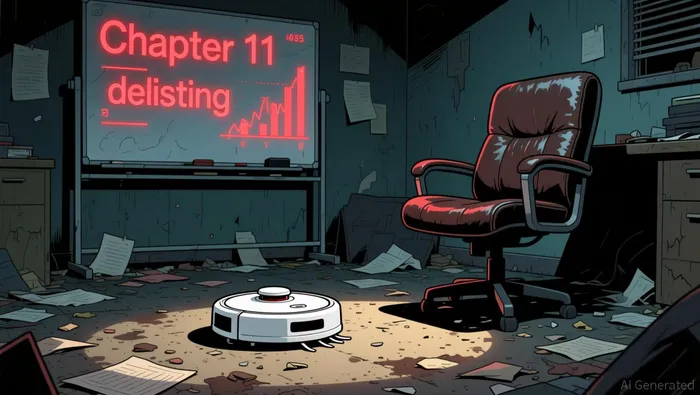 This will result in iRobot delisting from the Nasdaq and transitioning to private ownership. In a statement, CEO said the restructuring aims to strengthen the company’s financial position and position iRobot for long-term success. According to market analysis, the buyout is part of a broader strategy to stabilize the business and reduce its debt burden, which has grown steadily over the past few years. The news triggered a dramatic reaction in the stock market. , . , , . Market data shows the extreme volatility was further amplified by high short interest in the stock, which had been a factor in previous swings. For now, equity holders face the prospect of being completely wiped out in the restructuring process. Picea’s buyout is all-equity, and there’s no mention of compensation for existing shareholders — a common feature in such bankruptcy scenarios when creditors take full control. For investors, the implications are clear: iRobot’s stock is essentially a write-off. The company is now in the hands of Picea, and there’s little upside for current equity holders. The delisting from the Nasdaq further removes any market-based path to recovery for shareholders. Still, the restructuring could be a win for the company’s long-term survival. Being taken private may allow iRobot to operate with more flexibility and fewer public market pressures, potentially setting the stage for a rebirth under a new ownership structure. That said, it’s too early to tell whether this will lead to a meaningful turnaround in the business or just a rebranding under a new name. In the immediate term, the focus will be on how smoothly the restructuring proceeds. The is designed to allow the company to reorganize its debts and operations under court supervision, while still continuing its business. iRobot’s goal is to emerge from bankruptcy with a stronger balance sheet and a clearer path forward. However, the company will still need to contend with challenges such as intense competition in the home robotics market and evolving consumer preferences. Picea, as the new parent company, may bring much-needed capital and operational efficiency, but it remains to be seen whether it can restore iRobot’s innovation edge and market presence. At the end of the day, the restructuring is a survival move — whether it leads to a revival or just a temporary reprieve will depend on how effectively the new leadership can reposition the brand and execute its strategy.

Delivering real-time insights and analysis on emerging financial trends and market movements.
Latest Articles
Stay ahead of the market.
Get curated U.S. market news, insights and key dates delivered to your inbox.
AInvest
PRO
AInvest
PRO



Comments
No comments yet