
iRobot Files for Bankruptcy: What Investors Need to Know About the IRBT Stock Collapse


 Aime Summary
iRobot's sudden Chapter 11 filing has rocked the stock market, . For investors who bought in during the company's robot vacuum heyday, this is a dramatic and sobering turn of events. The once-popular name behind the Roomba has now joined the ranks of companies that have turned to bankruptcy as a last resort for reorganization.
iRobot filed for Chapter 11 bankruptcy protection on December 14, , with its contract manufacturer, Picea Robotics, set to acquire the company through a court-supervised process. , and current shareholders will see no recovery of their equity. Under the agreement, Picea will take full ownership of iRobotIRBT--, deleveraging its balance sheet and allowing the company to continue operating with no disruption to customer service or product support. according to financial reports.
Intense competition from lower-priced Chinese rivals, increased U.S. , . The company has already warned about its going-concern risks and now faces the reality of its market position. 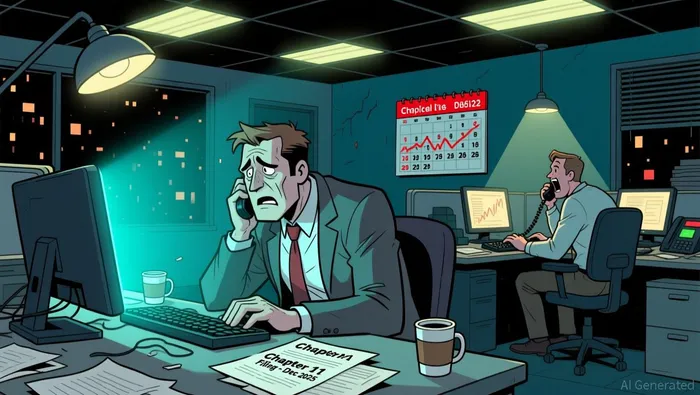 U.S. tariffs, , . These pressures have been compounded by aggressive competition from companies like Ecovacs and Roborock, which offer similar products at lower price points.
The sharp drop in iRobot's stock is a stark reminder of the risks in investing in consumer electronics companies facing fierce competition and regulatory pressures. While the deal with Picea aims to stabilize operations, the loss of public equity means no recovery for existing shareholders. The stock, , , wiping out nearly all shareholder value. For retail investors and market observers, the collapse of iRobot's stock is a sobering example of how quickly a once-dominant market position can erode in the face of economic headwinds.
iRobot's move to go private is a strategic step to restructure its finances and maintain its product lineup, but the broader market for home robotics remains uncertain. The company has emphasized that its customer programs, app functionality, and product support will continue uninterrupted during the transition. However, the long-term success of iRobot under Picea's ownership will depend on whether the combined entity can innovate and compete in a market that is increasingly saturated with alternatives. For now, the focus remains on stabilizing the company and ensuring continuity for its customers. While iRobot's reorganization offers a lifeline, it marks the end of its public chapter and a significant shift in the brand's future.

Delivering real-time insights and analysis on emerging financial trends and market movements.
Latest Articles
Stay ahead of the market.
Get curated U.S. market news, insights and key dates delivered to your inbox.
AInvest
PRO
AInvest
PRO



Comments
No comments yet