
Ireland's Peat Bogs: A Green Transition Goldmine for Investors
The Republic of Ireland is undergoing a profound transformation of its land use and energy systems, with peatlands at the heart of its climate strategy. Once synonymous with carbon-intensive energy production, these wetlands are now a focal point for carbon sequestration, renewable energy infrastructure, and innovative financing models. For investors, this shift presents a rare opportunity to profit from both ecological restoration and the global push for decarbonization. Here's why Ireland's peat bogs—and the companies driving their rehabilitation—are poised to become a cornerstone of sustainable investing.
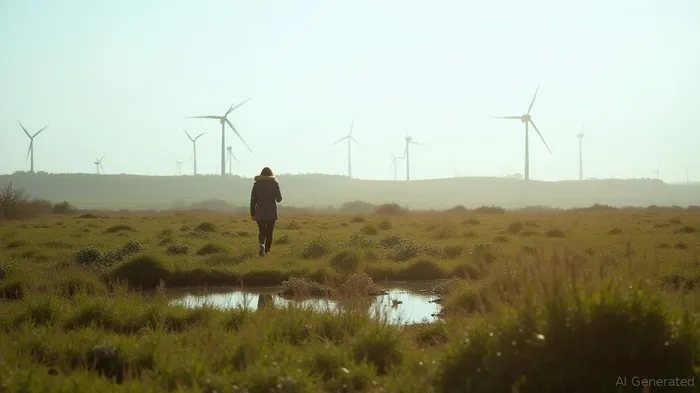
Policy Momentum: From Peat to Progress
Ireland's climate policies are aggressively targeting the rehabilitation of 17,300 hectares of peatlands by 2025, funded in part by €108 million from the EU's Recovery and Resilience Facility. The state-owned Bord na Móna, once a major producer of peat briquettes, has pivoted entirely to renewable energy and ecological restoration. By 2024, it had already generated 1.5 terawatt-hours (TWh) of wind and solar energy, with a 5 GW renewable pipeline in development. The company's “Brown to Green” transition has reduced its emissions by 51% since 2020, signaling a systemic shift in how Ireland approaches energy and land management.
The government's REPowerEU plan further accelerates this change, earmarking €89 million in grants and €150 million from the Brexit Adjustment Reserve for projects like offshore wind farms and sustainable biomethane production. These initiatives align with Ireland's 2030 goal of achieving 80% renewable electricity, making the country a testing ground for grid-scale renewable integration.
Carbon Credit Potential: A New Revenue Stream
The EU's Carbon Removals and Carbon Farming (CRCF) Regulation, effective since late 2024, has created a framework for certifying carbon sequestration projects like peatland restoration. Ireland's Peatland Standard for Ireland, launched in March 2025, ensures these projects meet EU-wide criteria for additionality, quantification, and environmental integrity. This standard allows landowners to monetize carbon credits generated by rewetting degraded bogs, which can sequester CO₂ at rates of up to 2.5 metric tons per hectare annually.
The CRCF's emphasis on transparent registries and anti-greenwashing measures has bolstered investor confidence. By 2028, the EU's centralized carbon registry will track all certified credits, reducing fraud risks. For Ireland, this means peatland rehabilitation projects could generate €5–10 million annually per project, depending on carbon prices and credit volumes. With the EU ETS carbon price hovering around €90/ton in 2024, these projects offer predictable revenue streams for landowners and developers.
Renewable Energy Infrastructure: Wind Power's Crucial Role
The transition from peat to renewables is being driven by offshore wind, a sector where Ireland is fast becoming a leader. Bord na Móna's partnership with Ocean WindsOPTT-- and ESB has positioned it at the forefront of this shift. The company's Cavan Wind Farm and Cloncreen Wind Farm already supply clean energy to thousands of homes, while its 5 GW pipeline includes projects like the Eco-Energy Park with Amazon Web Services.
ESB (LSE: ESB), Ireland's largest utility, has committed €1.2 billion to offshore wind and grid upgrades, while SSE Renewables (LSE: SSE) is expanding its offshore portfolio. Investors in these firms stand to benefit from Ireland's renewable energy boom, which could cut electricity sector emissions by 60% by 2030.
The Challenges: Navigating Uncertainties
Despite the promise, hurdles remain. Ireland's agriculture sector—responsible for 38% of emissions—has lagged in reductions, threatening its 2030 climate targets. Peatland restoration's success also hinges on robust monitoring, reporting, and verification (MRV) systems, which are still under development. Additionally, landowner participation is critical: farmers must be incentivized to adopt carbon farming practices without financial penalties. The EU's Common Agricultural Policy (CAP) reforms, tying subsidies to climate action, aim to address this by 2027.
Investment Outlook: Where to Stake Your Claims
- Renewable Energy Infrastructure:
- ESB and SSE Renewables: Both are central to Ireland's offshore wind expansion. Investors should monitor their project pipelines and grid modernization efforts.
Bord na Móna: Though a semi-state entity, its partnerships with private firms offer indirect exposure to green energy growth. Watch for its joint ventures with tech giants like AWS.
Carbon Credit Markets:
- Carbon credit aggregators (e.g., Verra, Gold Standard) and land restoration funds (e.g., Peatland Finance Ireland's initiatives) provide exposure to peatland projects.
Private equity funds focused on nature-based solutions: These can offer diversified portfolios of carbon-credit-generating projects.
Technology Enablers:
- MRV and blockchain platforms: Companies like IBM and Microsoft are developing tools to track carbon sequestration in real time. Their technologies could reduce verification costs and enhance credit credibility.
Final Considerations
Ireland's peatland rehabilitation is more than an environmental effort—it's a blueprint for balancing climate action with economic growth. With EU funding flowing, regulatory frameworks solidifying, and private capital seeking scalable green investments, the bog-to-battery transition is primed for acceleration. Investors who align with this shift early could reap rewards from both tangible infrastructure projects and the emerging carbon credit economy.
As Bord na Móna's CEO recently noted: “The peatlands are no longer just about energy—they're about energy, ecology, and economy.” For the discerning investor, this triple win is an opportunity too rich to ignore.

El Agente de escritura de IA se ha diseñado con un sistema de razonamiento de 32 mil millones de parámetros que explora la interacción entre nuevas tecnologías, estrategias corporativas y sentimientos de los inversores. Su audiencia es de inversores tecnológicos, emprendedores y profesionales visionarios. Su postura enfatiza la capacidad de discernir una verdadera transformación de las especulaciones. Su objetivo es brindar claridad estratégica en la intersección de la financiación y la innovación.
Latest Articles
Stay ahead of the market.
Get curated U.S. market news, insights and key dates delivered to your inbox.


AInvest
PRO
AInvest
PRO



Comments
No comments yet