
Iranians Flee Tehran Amid Israeli Strikes Energy Crisis Worsens
Iranians are fleeing the capital as long lines form at gas stations while Israeli attacks could worsen an energy crisis. The sustained air campaign by Israel against Iran has exacerbated an already dire energy situation in the country. Roads leading out of Tehran are congested with people attempting to escape the capital, while gas stations are experiencing lengthy queues as residents rush to secure fuel supplies. The ongoing conflict has led to reduced electricity supplies, further straining Iran's energy infrastructure and causing widespread power outages. The situation is compounded by Israeli strikes targeting Iran's defense ministry and oil infrastructure, which could potentially disrupt the country's energy production and distribution networks. The escalating tensions and military actions have raised concerns about the potential for a prolonged conflict, which could have severe implications for Iran's energy crisis and the broader regional stability.
Israel’s sustained air campaign against Iran, including on Tehran, prompted residents of the capital to flee, clogging roads and highways. There were traffic jams on roads leading out of the city while others trying to flee were hailing taxis as they held suitcases. One resident of Tehran who gave his name only as Alireza left the capital Sunday for Iran’s northern Gilan province after a building near his home was hit by an air strike. “We were lucky to leave very early,” he said. “Right after us the roads got really crowded.”
The rush to Tehran’s gas stations came as Israel also struck critical pieces of Iran’s energy infrastructure, including oil refineries and fuel depots. Meanwhile, a separate attack on the Pars South gas field, considered to the world’s largest reservoir of natural gas, is also set to worsen an energy crisis that has slammed Iranians for months. The Pars field is critical to Iran’s domestic energy production, and more than 90% of Iran’s electricity is generated by gas-powered plants. Even before Israel’s bombardment, Iran had been suffering through an energy crisis for months, due to sanctions, mismanagement, old infrastructure, over-consumption, and earlier Israeli attacks. That forced Iran to impose regular blackouts to conserve energy, leaving universities, shops and factories in the dark.
Disruptions to Iran’s natural gas production will likely worsen the country’s ongoing energy crisis and lead to more widespread electricity blackouts. Iranians have previously protested against the regime in response to energy shortages. Demonstrations over the rising gas prices in 2017 and 2018 escalated into broader challenges for the regime’s stability. The escalating tensions and military actions have raised concerns about the potential for a prolonged conflict, which could have severe implications for Iran's energy crisis and the broader regional stability. The situation is compounded by Israeli strikes targeting Iran's defense ministry and oil infrastructure, which could potentially disrupt the country's energy production and distribution networks. The ongoing conflict has led to reduced electricity supplies, further straining Iran's energy infrastructure and causing widespread power outages. The sustained air campaign by Israel against Iran has exacerbated an already dire energy situation in the country. Roads leading out of Tehran are congested with people attempting to escape the capital, while gas stations are experiencing lengthy queues as residents rush to secure fuel supplies. 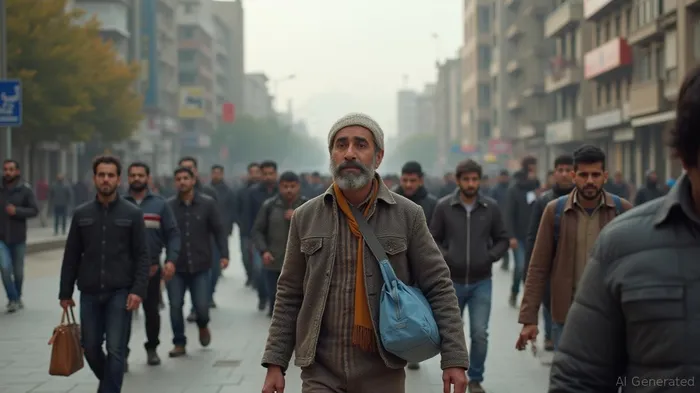

Stay ahead of the market.
Get curated U.S. market news, insights and key dates delivered to your inbox.


AInvest
PRO
AInvest
PRO



Comments
No comments yet