
Iranian Officials Downplay U.S. Nuclear Strike Impact
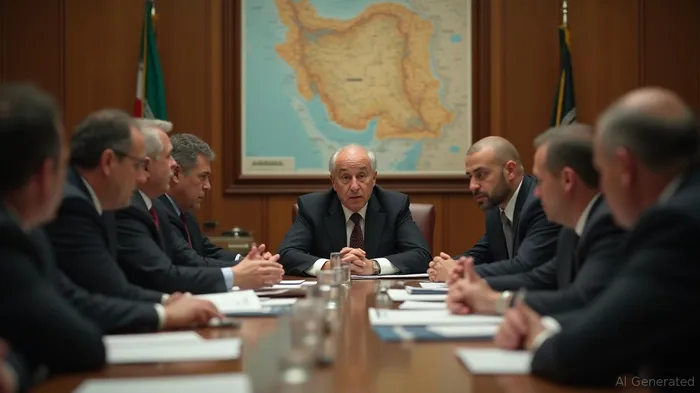
An intercepted call between senior Iranian officials has revealed a downplayed response to a recent U.S. attack on Iran's nuclear program. The officials expressed surprise that the strikes, directed by President Donald Trump, were not as destructive or extensive as they had anticipated. This revelation comes at a time when tensions between the two nations remain high, following the strikes aimed at disrupting Iran's nuclear capabilities.
The intercepted communication provided insights into the Iranian government's internal assessments of the damage caused by the U.S. strikes. Iranian officials speculated on the reasons behind the limited impact of the attacks, suggesting that the strikes may not have achieved their intended objectives. This assessment contrasts with the U.S. administration's claims of significant damage to Iran's nuclear facilities.
The communication highlights the ongoing strategic calculations and miscalculations between the two nations. The U.S. strikes were part of a broader effort to curb Iran's nuclear ambitions, but the Iranian officials' remarks indicate that the impact may have fallen short of U.S. expectations. This discrepancy could have implications for future military and diplomatic engagements between the two countries.
The revelation of the intercepted call also underscores the delicate nature of international relations and the potential for miscommunication or misinterpretation of military actions. The Iranian officials' downplaying of the U.S. attack suggests a level of resilience and preparedness within Iran's nuclear program, which could influence future U.S. policy decisions regarding Iran.
As the situation continues to evolve, both nations will need to navigate the complex landscape of geopolitical tensions and strategic interests. The intercepted call serves as a reminder of the high stakes involved in military actions and the importance of accurate intelligence and communication in resolving international conflicts.
In response to the heightened geopolitical tensions, the Iranian government has taken measures to mitigate cyber threats. The temporary reduction of internet speed and the closure of the Tehran Stock Exchange are efforts to protect against potential cyberattacks. These actions reflect broader geopolitical tensions exacerbating financial vulnerabilities and impacting the regional economy.
Consequent cyberattacks and market disruptions have resulted in significant funding losses for Iran’s Nobitex, the country's largest crypto exchange. This scenario has increased calls for robust accountability, as market participants brace for regulatory changes and strategic realignments across interconnected sectors.
The repeated targeting of the Nobitex exchange and disruption of critical infrastructure highlight persistent vulnerabilities within Iran. These events align with historically political motives, as attackers burn funds to signify wider geopolitical frustrations. The situation underscores the volatile nature of regional politics and the need for vigilance among stakeholders navigating these challenges.
As the geopolitical landscape continues to evolve, the impact of cyber-warfare on financial markets and infrastructure remains a critical concern. The Iranian government's actions and the ongoing tensions with the U.S. highlight the need for robust cybersecurity measures and strategic preparedness in the face of potential threats. The situation serves as a reminder of the interconnected nature of geopolitical and financial risks, and the importance of proactive measures to mitigate these challenges.

Stay ahead of the market.
Get curated U.S. market news, insights and key dates delivered to your inbox.






Comments
No comments yet