
Iranian Missile Strikes on Israeli Cities Escalate Regional Tensions in June 2025
Missile Attacks Target Major Israeli Urban Centers
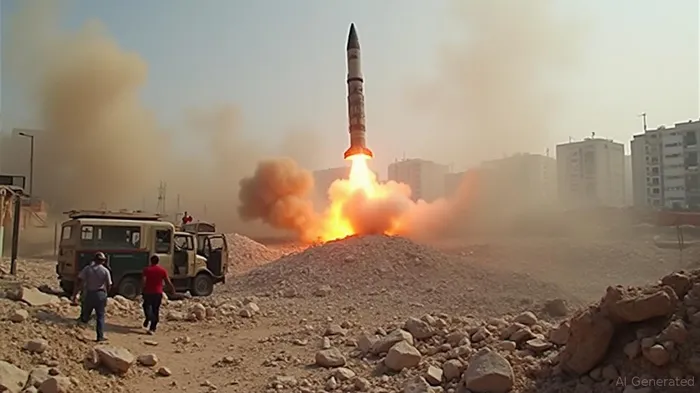
In a significant escalation of regional tensions, Iranian forces launched missile strikes against the Israeli cities of Tel Aviv and Haifa in June 2025, resulting in at least eight fatalities. The attacks marked a direct retaliation for Israeli military operations targeting Iran’s nuclear and ballistic missile infrastructure, according to confirmed reports. Targets included strategic sites in both cities, though specific infrastructure damage remains under assessment.
Context of Retaliation: Israel’s Preceding Strikes on Iranian Programs
The attacks followed months of covert and overt Israeli actions aimed at disrupting Iran’s nuclear and missile development efforts. Intelligence sources indicate that Israeli airstrikes and cyber operations had repeatedly targeted Iranian facilities in the preceding months, including sites linked to uranium enrichment and missile production. Tehran’s response, executed through a mix of ballistic and cruise missiles, was framed as a proportional defense of its national security interests.
Casualty Reports and Civilian Impact
Local authorities in Israel reported at least eight civilian deaths, with dozens more injured as a result of the strikes. Emergency services in both cities activated contingency plans, including air raid warnings and shelter protocols. The strikes highlighted vulnerabilities in urban centers despite existing defense systems, such as the Iron Dome interceptor batteries, which reportedly neutralized a portion of the incoming ordnance.
Regional Reactions and Calls for De-Escalation
Non-aligned states and international observers issued statements urging restraint, emphasizing the risks of broader conflict. Diplomatic channels reportedly intensified efforts to mediate between the two sides, though no immediate ceasefire was announced. Analysts noted the attacks underscored the fragility of deterrence mechanisms amid ongoing disputes over Iran’s military capabilities.
Geopolitical Implications of Escalating Confrontation
The strikes represent a critical turning point in a conflict that has simmered for decades. Iran’s decision to strike Israeli population centers signals a shift in strategy, prioritizing direct retaliation over asymmetric warfare tactics. Meanwhile, Israel’s continued targeting of Iranian assets reflects its longstanding commitment to preventing Tehran from acquiring advanced military technology.
Focus on Strategic Interests Over Diplomacy
Neither side has publicly signaled a willingness to compromise on core objectives. Iran’s emphasis on defending its nuclear and missile programs aligns with its broader goal of establishing regional influence, while Israel’s actions reflect a preemptive approach to neutralizing perceived threats. Observers warn that further escalation could destabilize supply chains and energy markets, though the immediate economic impact remains localized.
Ongoing Risks to Regional Stability
As both nations brace for potential counterstrikes, the likelihood of prolonged military engagement has increased. Analysts caution that the absence of diplomatic resolution could lead to unintended consequences, including cross-border conflicts or involvement of third-party actors. The situation underscores the persistent challenges of managing tensions in a region with no formal peace agreements or binding arms control frameworks.
Conclusion: A New Phase in an Enduring Conflict
The June 2025 missile strikes symbolize a deepening rift between Iran and Israel, with neither side retreating from their strategic priorities. The human toll and physical damage serve as stark reminders of the costs of sustained confrontation. As international mediation efforts proceed, the pathPATH-- to de-escalation remains uncertain, leaving the region on a volatile trajectory.

Stay ahead of the market.
Get curated U.S. market news, insights and key dates delivered to your inbox.


AInvest
PRO
AInvest
PRO



Comments
No comments yet