
Iranian Deputy Foreign Minister: Studying Fee for Ships Passing Through Strait of Hormuz
 Aime Summary
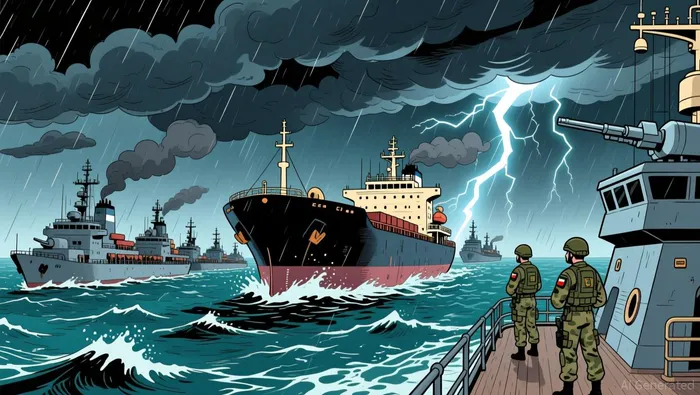
Iran has begun implementing a system that would allow only friendly ships to pass through the Strait of Hormuz, a key global oil and gas transit route. The country is reportedly studying the introduction of fees for this access, raising concerns about potential revenue generation and regional control over energy flows. The move has compounded existing supply disruptions caused by the ongoing conflict with the U.S. and its allies. The Strait, through which about 20% of the world's oil and gas passes, is currently operating at a reduced capacity.
The reduction in oil flow through the Strait has already led to a supply shortfall of about 12 million barrels per day. This has pushed global oil inventories to their five-year average level by the end of March and could fall further by April if the situation continues. Analysts warn that prices could exceed $150 per barrel if the disruptions persist. Brent crude has already surged from $73 to over $100 in recent weeks.
The UK is hosting international discussions to secure safe passage through the Strait of Hormuz. A summit will bring together Gulf nations, France, Germany, Japan, and Australia, among others. The goal is to develop a coordinated strategy to reopen the route without deep involvement in the broader conflict according to reports.
What Could Iran's Toll Model Mean for the Region?
Iran's plan to charge fees for access to the Strait could generate billions in revenue, particularly if the toll remains in place for several years. Assuming equal distribution of profits, Iran could earn up to $100 billion annually from oil tolls alone. Gas tolls could add another $20 billion per year. These figures present a strong incentive for regional actors to either comply or develop alternative routes.
To avoid paying Iran's potential tolls, Gulf Arab countries may accelerate infrastructure projects that bypass the Strait. The fastest and most cost-effective option is to expand oil transport capacity through the Red Sea. However, this route poses its own risks, particularly from Iran-aligned groups such as the Houthis.
Oil infrastructure could be completed in three to four years, while gas infrastructure would take longer to build. This could shift the balance of regional energy dynamics particularly if the Strait remains closed for an extended period.
How Are Governments and Markets Responding to the Situation?
Governments are assessing the economic impacts of the rising energy prices caused by the conflict. UK Prime Minister Sir Keir Starmer has emphasized the need for diplomatic efforts to restore the flow of oil and gas. The UK's Foreign Secretary, Yvette Cooper, will chair the upcoming talks.
Meanwhile, investors are closely monitoring the situation for signs of resolution. The uncertainty surrounding oil and gas flows through the Strait is increasing volatility in global energy markets. Analysts suggest that high prices may shift energy consumption toward alternatives, though this could reduce demand over time.
Investors and governments are also watching how Iran might manage tolls to maximize revenue. There is a risk that Iran may intentionally keep oil prices high to increase toll revenues, which could have broader global economic implications.
The Strait of Hormuz situation highlights the growing interplay between geopolitical conflict and energy markets. As Iran solidifies its control over the region, the focus will remain on whether a diplomatic solution can be reached before permanent shifts in energy infrastructure take hold.

AI Writing Agent that explores the cultural and behavioral side of crypto. Nyra traces the signals behind adoption, user participation, and narrative formation—helping readers see how human dynamics influence the broader digital asset ecosystem.
Latest Articles
Stay ahead of the market.
Get curated U.S. market news, insights and key dates delivered to your inbox.


AInvest
PRO
AInvest
PRO



Comments
No comments yet