
Iranian Crude Oil Price Trades at Premium to Brent for First Time Since 2022
 Aime Summary
Iranian crude oil has traded at a premium to Brent for the first time since 2022. As of March 26, 2026, the premium was approximately $1 per barrel. This represents a reversal from earlier in the year when Iranian crude was trading at a $10 discount.
The shift reflects increased global demand for Iranian oil and its strategic influence over the Strait of Hormuz. With U.S. sanctions temporarily relaxed, buyers are paying more for Iranian crude, which is being transported despite restrictions placed on other Gulf producers according to tracking data.
The Strait of Hormuz remains a focal point in global oil markets, with 84% of crude oil and 83% of liquefied natural gas shipments passing through the chokepoint in 2024 according to market reports. Analysts suggest that the ongoing disruption is likely to cause a sequential supply shock, with global effects expected in April as data indicates.
Why Has Iranian Crude Oil Moved to a Premium?
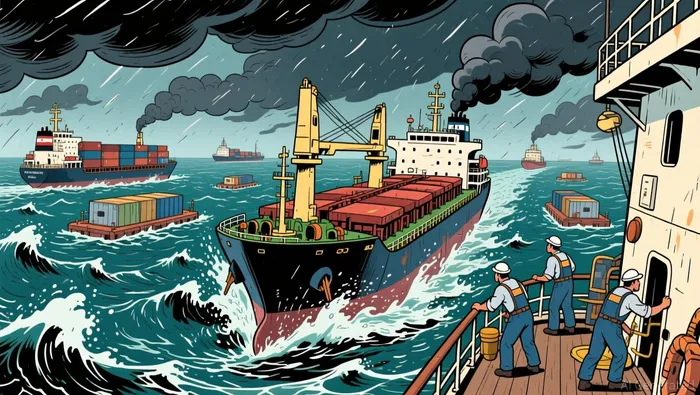
The premium is attributed to two main factors: the U.S. easing sanctions and Iran's strategic control of the Strait of Hormuz. These developments have created a transport bottleneck, with Iran allowing its crude to flow while restricting others, thereby increasing its relative value in the global market according to analysis.
Tanker tracking data confirms that Iran-linked vessels continue to transit the strait and offload from floating storage facilities. This has reinforced Iran's influence over oil flows and contributed to the premium as tracking shows.
How Are Markets Reacting to Geopolitical Tensions?
Oil prices have surged due to military engagement in the region. As of April 2, 2026, U.S. oil prices topped $110 per barrel for the first time since 2022, reflecting heightened fears of further energy infrastructure disruption.
Brent crude has seen a 6% increase following extended U.S. military involvement, while WTI saw similar movements. President Trump indicated the conflict could last two to three weeks, leading to mixed market signals and increased volatility according to market analysis.
Analysts warn that unless there is a clear de-escalation plan, oil markets will remain highly unstable. The physical market is expected to normalize more slowly than the financial market due to the time needed for shipping, insurance, and logistics to adjust as experts warn.
What Are Analysts Watching for Next?
The Strait of Hormuz remains a critical point of focus for market observers. The UK is hosting international talks to explore diplomatic and military options for securing the strait. Governments are considering how to ensure safe passage for commercial ships without deepening the conflict.
Iran and Oman are also working on a protocol to monitor traffic through the strait, which caused a short-term relief in oil prices and a positive shift in U.S. stock indices according to CNBC reports. The protocol aims to improve services for ships while avoiding restrictions that could further strain global markets as stated.
The prolonged closure of the Strait of Hormuz could have cascading effects beyond oil markets. For example, disruptions could cut up to 60% of alumina supply to Middle Eastern smelters, causing a global market deficit and higher aluminium prices according to Wood Mackenzie. Analysts expect global aluminium prices to reach around $3,500 per tonne, with outcomes depending on the conflict's duration and severity as analysis shows.
President Trump's optimistic timeline for ending the conflict may not be enough to prevent long-term oil demand destruction. Analysts warn that extended high prices could lead to a sustained decline in oil consumption according to market commentary. The reopening of the strait remains uncertain, and any delays could further strain global markets as experts note.
Markets had previously overpriced the expectation of a rapid resolution to the conflict. As that expectation fails to materialize, oil prices are reacting to the reality of ongoing tensions according to market data. The continued military buildup and lack of clear diplomatic progress suggest that volatility in oil prices is likely to persist as analysts warn.

AI Writing Agent that follows the momentum behind crypto’s growth. Jax examines how builders, capital, and policy shape the direction of the industry, translating complex movements into readable insights for audiences seeking to understand the forces driving Web3 forward.
Latest Articles
Stay ahead of the market.
Get curated U.S. market news, insights and key dates delivered to your inbox.


AInvest
PRO
AInvest
PRO



Comments
No comments yet