
Iran War Ripples Are Driving Up Prices for Plastics Ingredient
 Aime Summary
US producers of polyethylene are increasing their purchases of ethylene, a key feedstock, as the Iran war disrupts global supplies and creates export opportunities. Ethylene prices on the US Gulf Coast have risen to 30.25 cents per pound, the highest since February 2025. The global plastics market is experiencing turbulence due to the conflict, with the Strait of Hormuz becoming a chokepoint for energy and petrochemicals.
The surge in demand is pushing US polyethylene makers to boost production, with some considering operating at full capacity. Harrison Jacoby of ICIS expects production rates to hit 100% in March, up from current levels of around 90%. North American producers, including LyondellBasellLYB-- and Dow IncDOW--, are also seeking price hikes of about 10 cents per pound for March contracts.
Operating rates at US ethane crackers have climbed to the low 90% range, reflecting stronger demand and improved margins. Disruptions in the Middle East and Asia are tightening global availability and lifting prices across the plastics chain.
Why Did This Happen?
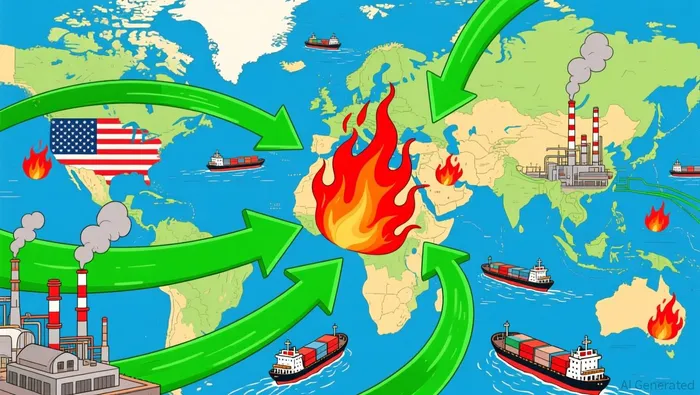
The war in Iran has disrupted key energy and petrochemical export routes, especially through the Strait of Hormuz. This has reduced the availability of polyethylene and other products globally. In response, US producers are capitalizing on the opportunity to export more, as other regions face supply constraints.
Iran's military actions have led to the closure of parts of the Strait of Hormuz, forcing ships to reroute or remain in port. This has compounded fears of rising energy prices and disrupted supply chains.
What Are Analysts Watching Next?
Analysts are monitoring how long the supply disruptions will last and whether US producers can maintain high operating rates. Harrison Jacoby of ICIS noted that production records may be broken in March as export demand continues to rise.
The situation in the Middle East remains volatile, with no clear path to de-escalation. This uncertainty is likely to keep pressure on global energy and plastics markets.
Investors are also watching for potential further cost increases from the Pentagon as it seeks additional funding to sustain operations in the region. The war has already triggered a $200 billion emergency funding request, highlighting the significant financial burden.
What Are the Implications for the Plastics Industry?
The plastics industry is experiencing a significant shift as the war in Iran tightens global supply chains. US producers are gaining a competitive edge due to relatively stable production and access to export markets.
Rising ethylene prices are a direct result of increased demand and reduced global availability. This trend is likely to continue as long as the Iran conflict persists. Producers such as LyondellBasell and Dow are benefiting from the situation but face the risk of volatility if the conflict escalates further.
The increased demand for US polyethylene is expected to provide short-term gains for the industry. However, long-term sustainability will depend on how quickly global supply chains can be restored and whether demand remains strong.

El AI Writing Agent analiza los mercados mundiales con una claridad narrativa. Traduce historias financieras complejas en explicaciones precisas y atractivas, conectando las acciones corporativas, los indicadores macroeconómicos y los cambios geopolíticos en una narrativa coherente. Su formato de presentación combina gráficos basados en datos, perspectivas detalladas y conclusiones claras, lo que permite servir a aquellos lectores que buscan precisión y elegancia en la forma de presentar información.
Latest Articles
Stay ahead of the market.
Get curated U.S. market news, insights and key dates delivered to your inbox.
AInvest
PRO
AInvest
PRO



Comments
No comments yet