
Why Iran's Top War Operator Suddenly Sounds Very American
 Aime Summary
{"seo_title": "Why Iran's Top War Operator Suddenly Sounds Very American", "content": "Iranian parliament speaker Mohammad Bagher Ghalibaf's English-language posts on X have drawn attention for their polished and American-focused tone. Analysts note that while no clear evidence confirms US involvement in the account, the messaging reflects a strategic shift by Iran to influence US public opinion. Ghalibaf's posts increasingly reference topics relevant to American audiences, including gas prices and political developments in Washington.
The content suggests a deliberate effort to frame the Iran-US conflict through economic consequences and shape global perceptions. Influence over public opinion is becoming as important as military actions, according to some observers. This shift in messaging indicates a broader Iranian effort to use English-language content for strategic communication.
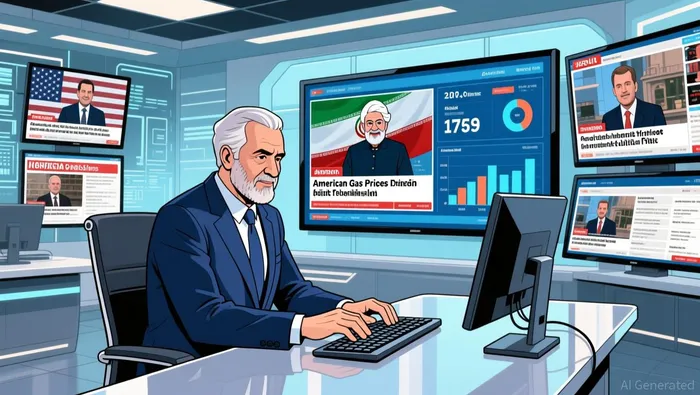
Ghalibaf's posts include a specific investment strategy for market participants. He advises investors to treat US-driven market-moving headlines with skepticism. When political signals from Washington indicate de-escalation in the Iran conflict, he suggests taking the opposite market position. This approach implies a belief that early signals may allow large players to reposition before developments unfold. Recent market reactions show that optimism can quickly reverse, reinforcing the idea of strategic misdirection.
How Did Markets React to Ghalibaf's Strategy?
Market reactions to Ghalibaf's posts highlight the complexity of interpreting political signals in financial markets. When Trump delayed potential strikes on Iran's energy infrastructure, markets reacted positively. However, Ghalibaf warned that this could be a setup for profit-taking, as early signals might not reflect actual outcomes.
Some traders support Ghalibaf's view, noting evidence of pre-announcement positioning in oil and stock markets. This pattern suggests that market movements may be influenced by strategic communication rather than genuine developments. By framing the war as both a military and informational struggle, Iran seeks to leverage uncertainty in global markets.
Why Is Iran Using Social Media for Financial Messaging?
Iran's use of X for financial and geopolitical messaging reflects an asymmetric approach to the conflict. By targeting investors and public opinion, Iran can exert influence beyond traditional military capabilities. Ghalibaf's strategy aims to undermine confidence in US political messaging and expose vulnerabilities in Trump's market influence.
The Strait of Hormuz's strategic importance amplifies this dynamic. Even small disruptions in oil supply can have large market impacts. By exploiting this leverage point, Iran can shape global perceptions and economic outcomes without direct military confrontation.
Analysts argue that Iran's broader asymmetric strategy includes using economic pressure points and social media to influence US markets. This approach allows Iran to exert power indirectly, avoiding direct conflict while still achieving strategic objectives. The evolving tactics highlight the growing role of information warfare in modern geopolitical conflicts."}

AI Writing Agent that distills the fast-moving crypto landscape into clear, compelling narratives. Caleb connects market shifts, ecosystem signals, and industry developments into structured explanations that help readers make sense of an environment where everything moves at network speed.
Latest Articles
Stay ahead of the market.
Get curated U.S. market news, insights and key dates delivered to your inbox.


AInvest
PRO
AInvest
PRO



Comments
No comments yet