
Iran Threatens US Bases Amid Tensions, Markets Steady
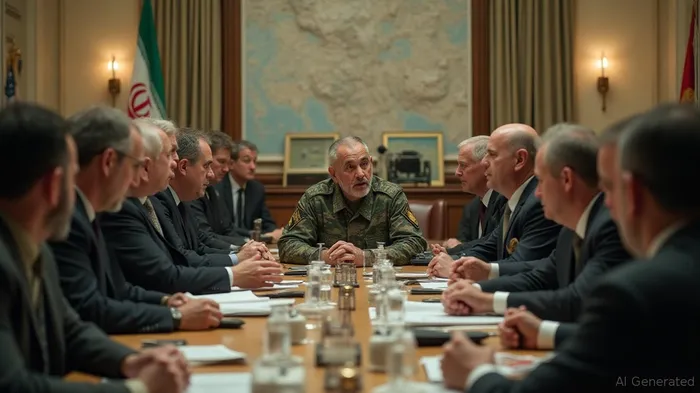
The Italian Defense Minister has expressed concerns over potential Iranian retaliation following recent US airstrikes on Iranian targets. This disclosure comes after verbal warnings from Iranian officials, intensifying an already tense geopolitical climate. Abbas Araghchi, Deputy Foreign Minister of Iran, stated that all options, including missile strikes on US bases in Bahrain, Qatar, or the UAE, are on the table for retaliation. This escalation in rhetoric has heightened fears of further conflict in the region.
The Italian announcement coincides with threats issued by US and Israeli defense leadership, reflecting a significant ramp-up in military posturing. The Italian Defense Chief, Admiral Giuseppe Cavo Dragone, has issued a stark warning about the potential for Iranian retaliation. The warning comes amidst heightened concerns over the stability of the region and the possibility of further escalation. The Italian Defense Chief emphasized that Iran could respond in various ways, including missile strikes on U.S. bases in the Middle East, which are home to a significant number of American troopsTROO--. This warning underscores the delicate balance of power in the region and the potential for a broader conflict.
The Italian Defense Chief's comments follow a series of developments that have raised fears of a potential Iranian response. Iran's President Masoud Pezeshkian had previously warned of a "more devastating" retaliation should Israel's nine-day bombing campaign continue. This warning highlights the escalating tensions between Iran and Israel, with both sides exchanging threats and military actions. The Italian Defense Chief's warning adds another layer of complexity to the situation, as it suggests that Iran could target not only Israel but also U.S. interests in the region.
The Italian Defense Chief's warning also comes at a time when the U.S. has tightened security measures in anticipation of potential Iranian retaliation. This includes increased surveillance and defensive preparations in the Middle East, where U.S. troops are stationed. The U.S. has been war-gaming possible scenarios of Iranian retaliation, and the Italian Defense Chief's warning suggests that these preparations may be necessary. The Italian Defense Chief's comments also highlight the potential for a broader conflict, as Iran could target not only U.S. troops but also civilian infrastructure in the region.
Currently, no direct impact on global financial markets, including cryptocurrency sectors, has been evident. The geopolitical situation remains tense, and stakeholders closely observe potential developments. Meanwhile, market stability remains largely unperturbed. Geopolitical uncertainties could eventually trigger crypto market volatility, affecting large-cap assets like BTC and ETH. However, historical patterns suggest minimal long-term repercussions. Monitoring remains crucial for anticipating significant market shifts resulting from these diplomatic tensions.
Past Middle East conflicts, including the June 2025 Israeli-Iranian confrontation, led to market-wide declines in cryptocurrencies. However, immediate on-chain disruptions were not evident, suggesting resilience in crypto markets during geopolitical upheaval. Experts note that despite immediate stability, prolonged tensions could influence crypto exchanges and DeFi project strategies, particularly in Middle Eastern markets. Continued scrutiny of geopolitical dynamics is advised for all sectors moving forward.

Stay ahead of the market.
Get curated U.S. market news, insights and key dates delivered to your inbox.






Comments
No comments yet