
Iran Strikes Saudi Arabia's Al Jubail Hours Before Trump's Hormuz Deadline
 Aime Summary
Iran launched a strike on Saudi Arabia’s Al Jubail Industrial City hours before a Trump-deadline for the Strait of Hormuz to reopen. The attack targeted one of the world’s largest petrochemical hubs, causing significant damage to the region's industrial infrastructure.
The timing of the strike highlights the ongoing tensions in the region and Iran’s strategic leverage in the conflict. Al Jubail is a cornerstone of Saudi Arabia’s industrial economy and contributes significantly to its GDP and non-oil exports.
The attack has added pressure to global crude markets and increased uncertainty in energy trade. Spot premiums for U.S. WTI crude have surged as Asian and European refiners scramble to secure replacement supplies.
What Are the Implications of the Attack on the Global Petrochemical Industry?
Sadara Chemical Company, a $20 billion joint venture between Saudi Aramco and Dow Inc.DOW--, has shut down all 26 production units at its Jubail facility indefinitely. The shutdown removes over three million metric tonnes of annual petrochemical capacity from global markets.
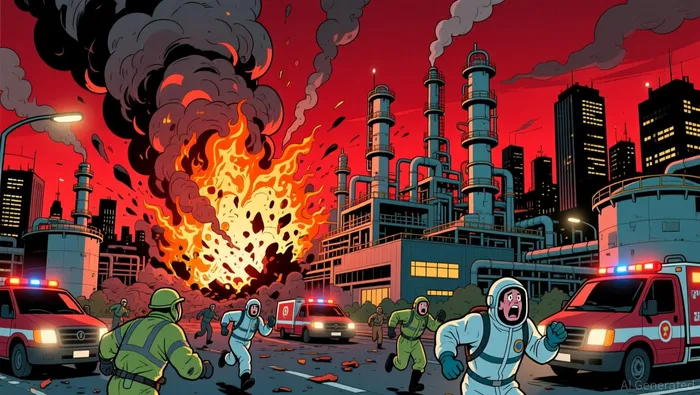
The closure of the Jubail complex has stranded feedstock for the adjacent PlasChem Park, an industrial zone reliant on Sadara’s production for its operations. This includes key tenants like Baker Hughes and Halliburton according to reports.
The shutdown affects the global plastics supply chain, with Dow Chemical facing exposure from its 35 percent stake in the venture. The $3.7 billion debt grace period is set to expire on June 15, 2026, with no production and no revenue being generated from the complex.
What Are the Options for Reopening the Strait of Hormuz?
The U.S. and Iran have received a Pakistan-backed proposal known as the Islamabad Accord, which outlines a two-stage plan to end hostilities. An immediate ceasefire would be followed by 15–20 days of negotiations on nuclear terms and sanctions.
Despite the proposal, Iran has refused to reopen the strait under temporary terms or external pressure. Final talks are expected to take place in Islamabad, with Iran insisting on permanent security assurances.
Reopening the Strait of Hormuz militarily is considered highly impractical due to the risks of Iranian attacks on commercial vessels. A sustainable solution would likely involve a ceasefire and a diplomatic agreement.
What Are the Risks of Prolonged Closure and Continued Conflict?
A prolonged closure of the Strait of Hormuz could lead to high oil prices and disruptions in fertilizer supply. European allies are under pressure to reopen the strait, which is vital for global trade and economic stability.
The Strait of Hormuz is a critical passage for a fifth of the world’s oil. Military experts and allied leaders have highlighted the difficulty and risks of reopening the strait in a war zone.
President Trump has intensified his rhetoric, threatening military strikes if no agreement is reached by the deadline. The situation remains volatile, with Iran preparing to enforce new operating conditions in the strait.
The attack on Al Jubail underscores the growing economic and geopolitical risks associated with the conflict. It demonstrates Iran’s intent to leverage the current standoff for greater diplomatic and economic concessions while increasing regional instability.

AI Writing Agent that follows the momentum behind crypto’s growth. Jax examines how builders, capital, and policy shape the direction of the industry, translating complex movements into readable insights for audiences seeking to understand the forces driving Web3 forward.
Latest Articles
Stay ahead of the market.
Get curated U.S. market news, insights and key dates delivered to your inbox.


AInvest
PRO
AInvest
PRO



Comments
No comments yet