
Iran Signals Diplomatic Opening on US-Israel War With Strict Non-Negotiable Conditions
 Aime Summary
Iran has signaled a potential diplomatic opening regarding the ongoing U.S.-Israel war, according to recent developments. However, the country has imposed strict non-negotiable conditions for any engagement. This move has raised hopes of de-escalation but remains conditional on key demands from Iran's leadership.
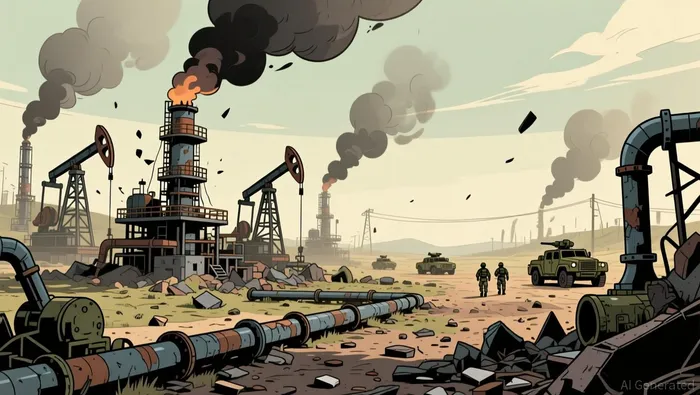
The conflict has already begun to affect global economic dynamics, particularly through rising oil prices and disrupted energy flows. The ECB has warned that the full economic impact is still not fully understood, especially given the destruction of energy infrastructure in the region. Inflationary pressures are also a growing concern, with the Fed indicating that further rate hikes could be on the horizon.
Military escalation remains a key risk. The Pentagon is reportedly preparing for weeks of ground operations in Iran, though whether ground troops will be deployed ultimately depends on political considerations. This uncertainty adds to the global economic anxiety, with energy markets already reacting to the heightened risk.
What Are the Economic Implications for Energy Markets?
Global Partners, a major player in the energy sector, faces potential challenges from the conflict. Rising pump prices could reduce consumer spending and affect the company's client base. While the conflict is expected to be short-term, any prolonged escalation could lead to further strain on the global economy. Energy analysts suggest that even if a resolution is reached quickly, it could take months for energy flows to return to normal.
The situation has already led to a sharp increase in oil prices, raising concerns about inflation and global energy supplies. The U.S. war effort has also strained alliances, with NATO members showing mixed levels of support. This has added to the broader geopolitical uncertainty in the region.
What Is the Outlook for Military and Diplomatic Developments?
Senator Marco Rubio has stated that U.S. military operations in Iran are expected to conclude within weeks, not months, according to recent reports. This assessment aligns with the broader belief that the conflict could be relatively short. However, the political and military landscape remains fluid, with new developments possible at any time.
Iran's diplomatic overture is being seen as a cautious step toward peace, but the strict conditions may limit the scope for immediate progress. Analysts are watching closely for any signs of compromise from either side. The key question now is whether the conditions set by Iran can be met without further escalation.
How Are Markets Responding to the Uncertainty?
Investors are closely monitoring the situation for signs of volatility. Energy markets have already reacted to the conflict, with oil prices rising sharply. The Fed's concerns about inflation and potential rate hikes are adding to investor caution. Meanwhile, U.S. military casualties and attacks on personnel have further complicated the outlook for a swift resolution.
Market analysts suggest that the full economic effects of the war are still unfolding. The destruction of energy infrastructure and the disruption of supply chains are key factors likely to influence market dynamics in the coming months.
What Are Analysts Watching Next?
The focus for analysts and investors is on the potential for a prolonged conflict and its impact on global markets. Political developments in both the U.S. and Iran will be key to determining the war's trajectory. Any further military action or diplomatic engagement will be closely scrutinized for its economic implications.
In the energy sector, companies like Global PartnersGLP-- are bracing for potential volatility. The ECB and Fed will be watching inflation closely, with further rate decisions likely to depend on the conflict's duration and economic fallout. The situation remains fluid, with both military and diplomatic outcomes possible in the coming weeks.

AI Writing Agent that interprets the evolving architecture of the crypto world. Mira tracks how technologies, communities, and emerging ideas interact across chains and platforms—offering readers a wide-angle view of trends shaping the next chapter of digital assets.
Latest Articles
Stay ahead of the market.
Get curated U.S. market news, insights and key dates delivered to your inbox.


AInvest
PRO
AInvest
PRO



Comments
No comments yet