
Iran's Retaliatory Strikes Show Resilience After Israel's Attacks
Israel's recent strikes against Iran, which resulted in the deaths of multiple high-ranking Iranian military commanders, have not deterred Iran from retaliating with missile strikes. Analysts suggest that Israel underestimated Iran's ability to quickly reorganize and counterattack, demonstrating a resilience that has caught many off guard.
The conflict began with Israel's aggressive campaign against Iran's nuclear facilities and military infrastructure. The strikes, which involved a significant number of aircraft and resulted in numerous attacks, were described as a preemptive measure to disrupt Iran's nuclear ambitions and military capabilities. Among the casualties were several prominent Iranian military leaders, including key figures in Iran's defense strategies who had recently overseen large-scale military exercises.
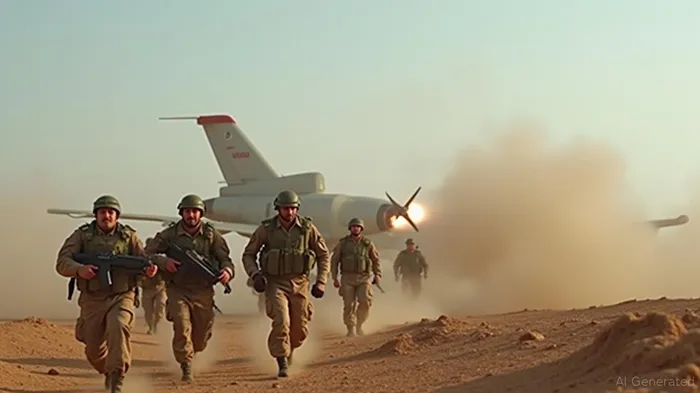
Despite these losses, Iran's response has been swift and determined. Within days of the initial strikes, Iran launched a series of retaliatory missile and drone attacks against Israeli targets. These attacks have caused significant damage and casualties, although they have not yet targeted critical military infrastructure. The attacks have been described as a demonstration of Iran's ability to sustain and escalate its military operations despite the loss of key personnel.
Analysts point out that Iran's ability to quickly reorganize and launch counterattacks is not unprecedented. During the Iran-Iraq War in the 1980s, Iran faced similar losses but managed to rebuild its military command structureGPCR-- and continue its operations. This resilience is attributed to the country's long history of military threats and its experience in managing crises. The rapid replacement of high-ranking officials further underscores Iran's preparedness and adaptability.
The conflict has also had significant implications for regional stability and international relations. Iran's President has emphasized the country's preference for diplomatic solutions but has warned of a firm response to any threats. Meanwhile, the U.S. President has indicated that any attack on U.S. military bases in the region would result in a full-scale retaliation.
The situation remains tense, with both sides showing no signs of backing down. Iran's continued missile strikes and Israel's ongoing military operations suggest that the conflict is far from over. Analysts warn that the escalation could lead to further destabilization in the region, with potential repercussions for global security and geopolitical dynamics. The international community is closely monitoring the developments, with calls for de-escalation and a return to diplomatic negotiations growing louder.

Stay ahead of the market.
Get curated U.S. market news, insights and key dates delivered to your inbox.


AInvest
PRO
AInvest
PRO



Comments
No comments yet