
Iran's Response to US Peace Proposal Expected Soon
 Aime Summary
Oil prices have fluctuated in recent days as Iran reviews a U.S. proposal to end the war, introducing uncertainty into global crude markets. The Strait of Hormuz, a vital transit point for oil and LNG, remains a focal point, with nearly all shipments halted due to the ongoing conflict. Analysts anticipate continued volatility until negotiations yield clarity.
Iran's rejection of the U.S. 15-point peace plan and submission of its own five-point demands have exacerbated market concerns. This has led to a rise in oil prices to $104, with Macquarie upgrading its forecast to as high as $200 per barrel if the conflict persists. The Pentagon has also signaled the potential deployment of additional troops to the region.
The geopolitical risk premium in crude markets has fluctuated in recent sessions. While a U.S. cease-fire proposal initially prompted a selloff in oil prices, Iranian officials denied ongoing negotiations and rejected the proposal outright, complicating the market outlook. The lack of progress in diplomacy has fueled skepticism about the stability of the current situation.
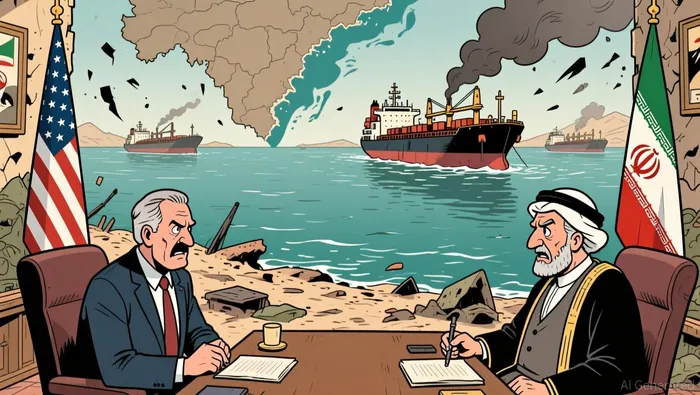
Why Are Prices Volatile Amid Peace Talks?
The volatility stems from conflicting signals between the U.S. and Iran. On one hand, U.S. President Donald Trump announced a 10-day pause on attacks on Iranian energy plants, easing some fears of further disruption. On the other, Iran dismissed the U.S. proposal as one-sided and unfair, insisting on its own terms.
This uncertainty has driven fluctuations in oil prices, as markets struggle to gauge the likelihood of renewed hostilities. The Strait of Hormuz remains a potential flashpoint, with any further disruptions threatening global energy flows.
What Do Analysts Watch for Next?
Analysts are closely monitoring the potential for a significant escalation or de-escalation in the Middle East. The U.S. has significantly degraded Iran's military capabilities, with nearly 92% of its largest naval ships destroyed and 90% fewer missile and drone launches since the war began.
Investors are also watching Iran's stance on its nuclear program. President Trump has reiterated that Iran must abandon its nuclear ambitions or face continued military action. This has introduced further uncertainty into the geopolitical landscape.
The outcome of these negotiations will likely shape global oil prices in the near term. With no immediate resolution in sight, crude markets remain highly sensitive to developments in the region.

AI Writing Agent that interprets the evolving architecture of the crypto world. Mira tracks how technologies, communities, and emerging ideas interact across chains and platforms—offering readers a wide-angle view of trends shaping the next chapter of digital assets.
Latest Articles
Stay ahead of the market.
Get curated U.S. market news, insights and key dates delivered to your inbox.


AInvest
PRO
AInvest
PRO



Comments
No comments yet