
Iran, US Prepare for Indirect Nuclear Talks Amid Tensions
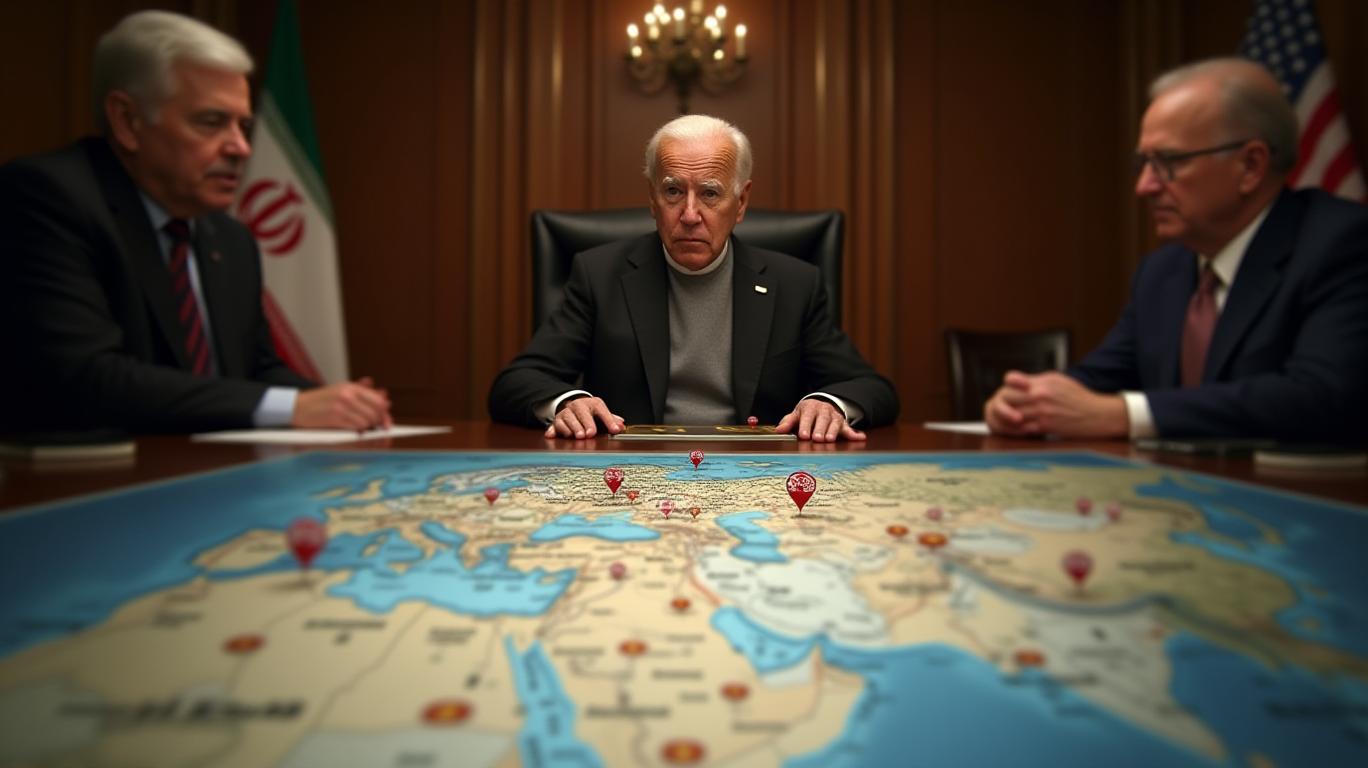
Iran has expressed its readiness to engage in indirect nuclear talks with the United States, marking a significant development in the ongoing diplomatic efforts to resolve the nuclear standoff between the two nations. Iranian Foreign Minister Abbas Araghchi stated that Iran is prepared for "genuine negotiations" with the Trump administration, emphasizing the need for a constructive atmosphere and the avoidance of threats. This stance comes as a response to the Trump administration's repeated calls for negotiations, with President Trump himself having sent a letter to Iran's Supreme Leader Ayatollah Khamenei urging Iran to abandon its nuclear weapons program.
The Trump administration has been actively considering Iran's proposal for indirect talks, according to two unnamed U.S. officials. This consideration comes amidst a backdrop of heightened tensions, with the U.S. significantly increasing its military presence in the Middle East. The administration's approach has been characterized by a mix of diplomatic overtures and military posturing, with Trump repeatedly stating that military action remains an option if negotiations fail.
Iran's willingness to engage in indirect talks is seen as a potential pathway to de-escalating tensions. The Iranian government has made it clear that it is open to discussions but insists on a framework that respects its sovereignty and avoids direct confrontation. This position was reiterated by Iranian President Hassan Rouhani, who, through Oman, conveyed a message to the U.S. rejecting direct talks but keeping the door open for indirect negotiations. The outcome of these talks, Rouhani emphasized, will depend on the actions of the U.S.
The diplomatic maneuvering between Iran and the U.S. is fraught with challenges. Iran's Supreme Leader Ayatollah Khamenei has been vocal about the need for a constructive dialogue, stating that Iran is prepared to engage in indirect talks to understand the other side's demands and exchange benefits. However, he also warned that any military action by the U.S. would be met with a strong response, underscoring Iran's resolve to defend its interests.
The international community has been closely watching these developments, with various countries and organizations calling for a diplomatic resolution to the nuclear standoff. The potential for a military conflict remains a significant concern, given the escalating rhetoric and the buildup of military forces in the region. However, the willingness of both sides to engage in indirect talks offers a glimmer of hope for a peaceful resolution.
The path forward will depend on the ability of both nations to navigate the complex diplomatic landscape and find common ground. The success of these talks will hinge on the willingness of both sides to compromise and the ability to create a constructive atmosphere that fosters meaningful dialogue. The international community will continue to monitor these developments closely, hoping for a resolution that ensures regional stability and global security.

Stay ahead of the market.
Get curated U.S. market news, insights and key dates delivered to your inbox.






Comments
No comments yet