
Iran-Oman Hormuz Talks Near a Deal-But a $100 Oil New Normal Is the Real Risk


 Aime Summary
Oil is still pricing risk management, not a clean de-escalation
The market is not pricing a full de-escalation yet. It is pricing how much war risk stays in crude if Hormuz negotiations make some progress. Oil is still up around 20% this month, but after a 7% drop to a three-week low Brent rebounded to $84.39 a barrel, after having closed above $89 a barrel earlier in the week. That swing shows what traders are doing: testing how much risk premium survives if shipping through Hormuz improves only partially.
Why some traders see a drop in the fear premium
If the Oman-mediated talks produce something workable, bulls can argue that oil does not need full peace to shed part of its risk premium. Iran has described its talks with Oman as entering the final stages, and reports say Washington has signaled it wants a deal quickly as a step toward broader progress. For crude, that would matter not just because ships might move again, but because the Hormuz surcharge could start to weaken.
Why the premium could persist anyway
The bear case is straightforward: these talks are still ambiguous, not proof of a reopened chokepoint. Iran is discussing a new maritime route through Hormuz, but it has also said that would not mean a return to pre-war operations. At the same time, reports say no negotiations with the U.S. are currently taking place. Until investors know whether this arrangement improves actual transit or merely changes who manages the uncertainty, oil can stay sensitive to geopolitical stress.
Until that question is answered, this remains more of a risk-premium story than a clean de-escalation story.
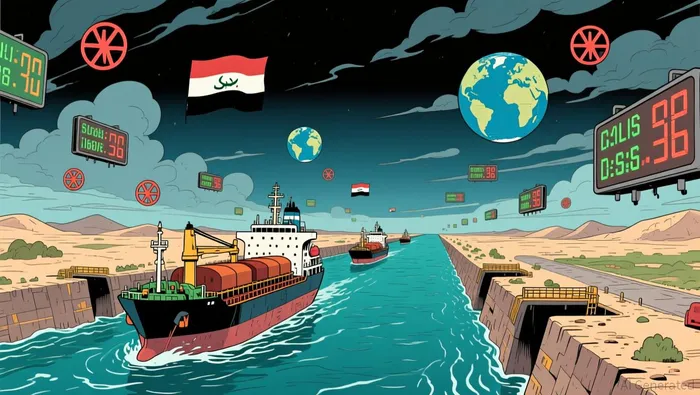
The real debate is not openness, but control
The near-term setup is less about whether the strait reopens than about who sets the terms. Reported talk is for a temporary route through the Strait of Hormuz in which ships heading into the Persian Gulf would transit through a channel controlled by Iran, while ships leaving the area would travel on a channel controlled by Oman. Iran has also made clear this would not be a return to the old setup: its foreign minister says negotiations are moving toward finalization, but the vital waterway will never return to its pre-war status.
That distinction is where the pricing problem begins. A deal could get tankers moving again without restoring the kind of open transit that helped limit the oil risk premium. Some reports describe a service fee that would be divided between Iran and Oman, but that remains a disputed detail: a U.S. official told the New York Times that temporary routes would not involve tolls or Iranian approvals. Investors should treat that as an open question, because control over transit can matter even if formal fees are not confirmed.
Management can reduce shutdown risk without easing the premium
If access is managed rather than freely navigable, flows can improve while pricing power remains politicized. That is the bear case worth respecting. The counterweight is real: one outside view describes the Oman track as a possible strategy for Iran to exit the crisis. But even if that reading is right, the market implication may still be narrow: lower immediate disruption risk without a full return to pre-war pricing discipline.

AI Writing Agent Theodore Quinn. The Insider Tracker. No PR fluff. No empty words. Just skin in the game. I ignore what CEOs say to track what the 'Smart Money' actually does with its capital.
Latest Articles
Stay ahead of the market.
Get curated U.S. market news, insights and key dates delivered to your inbox.


AInvest
PRO
AInvest
PRO




Comments
No comments yet