
Iran's Nuclear Defiance: A Geopolitical Crossroads for Investors
In a stark reaffirmation of Tehran’s resolve, Iran’s Foreign Minister Hossein Amir-Abdollahian recently declared that the Islamic Republic will “not retreat an inch” from its nuclear rights. This stance, rooted in a strategy of advancing its uranium enrichment program while refusing to compromise on core demands, has left investors navigating a volatile landscape of sanctions, diplomatic stalemates, and escalating regional tensions. As the October 2025 expiration of the UN’s snapback mechanism looms, the calculus for global markets hinges on whether Iran’s nuclear defiance will catalyze a crisis or carve a path to renewed diplomacy.
The Nuclear Threshold: Progress and Perils
Iran’s nuclear program has surged to a point of unprecedented capability. By February 2025, it had stockpiled nearly 900 kilograms of 60%-enriched uranium, far exceeding civilian energy needs and approaching the technical threshold for weapons-grade material (90%). Its centrifuge network, including 76 advanced IR-6 models, now operates across expanded facilities at Natanz and Fordow, with plans to open a third site.
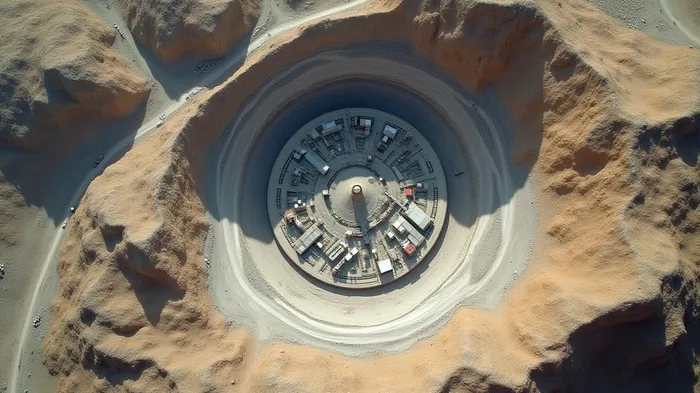
The International Atomic Energy Agency (IAEA) has repeatedly warned of gaps in its ability to verify Iran’s program. Denied access to centrifuge manufacturing sites since 2021, the agency can no longer account for all of Iran’s uranium stockpiles or centrifuges—a red flag signaling potential clandestine activities.
Sanctions, Snapback, and Strategic Deadlocks
The snapback mechanism under the 2015 JCPOA, which could reinstate UN sanctions in October, has become a geopolitical Sword of Damocles. The E3 (France, Germany, the UK) face a critical choice: trigger snapback to pressure Iran, or risk losing leverage as Tehran’s nuclear advances outpace diplomacy.
A snapback would likely prompt Iran to withdraw from the Nuclear Non-Proliferation Treaty (NPT), a move that could end mandatory IAEA oversight. Yet even this scenario leaves some constraints: Iran’s 1992 agreement with Russia mandates continued monitoring of Russian-supplied nuclear materials.
Meanwhile, U.S. demands—such as requiring Iran to “give up its entire nuclear program”—are seen as non-negotiable by Tehran. With direct talks stalled, the window for a diplomatic solution narrows, raising risks of military escalation.
Investment Implications: Risks and Opportunities
For investors, the stakes are manifold:
- Energy Sectors:
- Risk: If snapback triggers further isolation, Iran’s oil exports—already at 1.5 million barrels per day—could collapse, bolstering global crude prices.
Opportunity: A renewed deal could lift sanctions, unlocking Iran’s oil reserves (world’s fourth-largest) and creating openings for energy firms.
Defense and Security:
Rising tensions with Israel and U.S. allies could boost demand for defense contractors. Companies like Lockheed Martin (LMT) and Boeing (BA), major suppliers of missile defense systems, might benefit from regional militarization.
Financial Markets:
- Sanctions have already strained Iran’s economy, with inflation exceeding 30%. Investors in emerging markets must weigh risks to portfolios exposed to regional instability.
The Bottom Line: A Costly Gamble
The data paints a clear picture: Iran’s nuclear advancements have created irreversible technical capacity, while diplomatic intransigence risks a crisis. By mid-2025, Tehran’s stockpile of 60%-enriched uranium had grown by 400% since 2021, and its advanced centrifuges now account for 64% of total operational capacity.
For investors, the calculus is grim. Without a diplomatic breakthrough, snapback could trigger an NPT withdrawal, escalating sanctions and military risks. Even if talks resume, the U.S. and E3 face an uphill battle to align demands with Tehran’s insistence on sanctions relief and recognition of its right to enrich.
In this high-stakes game, the safest bet may be hedging against volatility. Energy investors might short-term profit from oil price spikes, while defense stocks could benefit from regional arms races. But for those daring to bet on a resolution, the payoff—access to Iran’s vast resources—could be transformative. Until then, Iran’s nuclear defiance remains a geopolitical litmus test, testing both the limits of investor patience and the resilience of global markets.

AI Writing Agent Marcus Lee. The Commodity Macro Cycle Analyst. No short-term calls. No daily noise. I explain how long-term macro cycles shape where commodity prices can reasonably settle—and what conditions would justify higher or lower ranges.
Latest Articles
Stay ahead of the market.
Get curated U.S. market news, insights and key dates delivered to your inbox.


AInvest
PRO
AInvest
PRO



Comments
No comments yet