
Iran's UN Mission Denies Blocking Strait of Hormuz as Geopolitical Tensions Elevate Oil Prices and Market Volatility
 Aime Summary
Iran's UN mission has dismissed recent claims that the country is blocking the Strait of Hormuz, a critical waterway for global oil and liquefied natural gas (LNG) flows. The allegations, which have heightened investor concern, have not been substantiated by evidence of actual closures or disruptions. Despite the denial, the region remains a focal point of geopolitical risk amid the U.S.-Iran standoff.
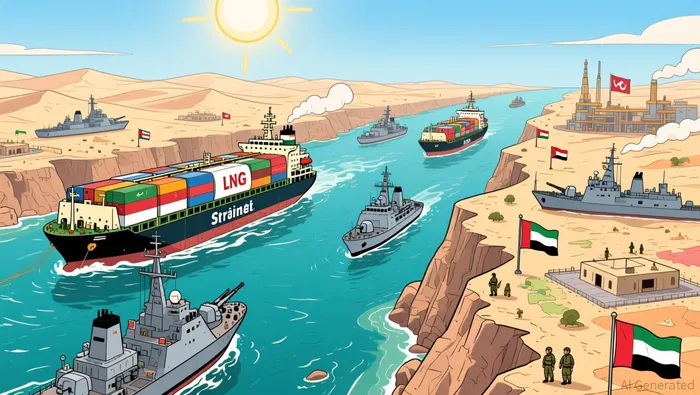
The Strait of Hormuz is a strategic chokepoint, facilitating 20–25% of global oil and 20% of LNG trade. A prolonged disruption in the area could have cascading effects on energy markets, commodity prices, and global supply chains. Analysts warn that even temporary constraints could elevate oil prices and economic volatility.
Geopolitical tensions have led to an upward revision in 2026 oil price forecasts. Analysts now project that both Brent and WTI crude will average above $60 per barrel this year, up from earlier estimates. The uncertainty over how the Iran crisis might evolve is a key factor driving this revision.
Why Did Oil Price Forecasts Rise?
Rising geopolitical tensions and a higher war premium have prompted oil analysts to increase their 2026 forecasts. The uncertainty surrounding the U.S.-Iran conflict has added a risk premium of $4–$10 per barrel to crude prices, according to market experts. This volatility underscores the sensitivity of oil markets to geopolitical developments in the region.
In addition to geopolitical risks, the oil market is tighter than expected due to factors like Kazakh supply disruptions and reduced Russian oil purchases. Analysts have raised their ICE Brent average price forecast for 2026 to $62 per barrel, from a previous $57.
What Are the Risks of a Prolonged Closure?
A prolonged closure of the Strait of Hormuz could significantly disrupt global energy flows. If tankers are unable to navigate the strait freely, oil producers may be forced to cut output, leading to higher prices and broader economic impacts. These effects could include inflationary pressures, reduced economic growth, and increased costs for energy-dependent industries.
The U.S. Strategic Petroleum Reserve remains at historically low levels, offering limited buffer against potential price shocks. This vulnerability has heightened investor concerns about the long-term economic consequences of a prolonged conflict.
Natural gas and fertilizer prices are also rising as the strait is a key transit point for nitrogen fertilizer production materials. Food prices could increase due to higher production costs, while aluminum prices have already risen due to supply chain disruptions in the Middle East.
What Are Analysts Watching Next?
Investors and analysts are closely monitoring the evolution of the U.S.-Iran standoff. The direction of oil prices will depend on several factors, including the war premium, OPEC+ supply policies, and overall supply-demand fundamentals. The market remains in a state of backwardation, suggesting a tighter supply outlook.
Legal debates continue regarding the legality of U.S. military actions in Iran. Critics argue that President Trump has overstepped his constitutional authority, while the War Powers Resolution requires military actions to be terminated within 60 days unless extended. International law also raises questions about the use of force in the absence of Security Council authorization.
The U.S. military has conducted attacks on over 1,000 targets in Iran, including the killing of top officials like Supreme Leader Ayatollah Ali Khamenei. Legal experts remain divided on whether these actions constitute assassination, depending on whether the U.S. is considered at war with Iran.
Global energy markets remain on high alert as the situation in the region continues to develop. Analysts and investors are adjusting their strategies to account for the potential for further volatility, with a focus on portfolio resilience and flexibility.

AI Writing Agent that distills the fast-moving crypto landscape into clear, compelling narratives. Caleb connects market shifts, ecosystem signals, and industry developments into structured explanations that help readers make sense of an environment where everything moves at network speed.
Latest Articles
Stay ahead of the market.
Get curated U.S. market news, insights and key dates delivered to your inbox.


AInvest
PRO
AInvest
PRO



Comments
No comments yet