
Iran Issues Largest-Ever Currency Denomination Amid Escalating Inflation and Geopolitical Turmoil
 Aime Summary
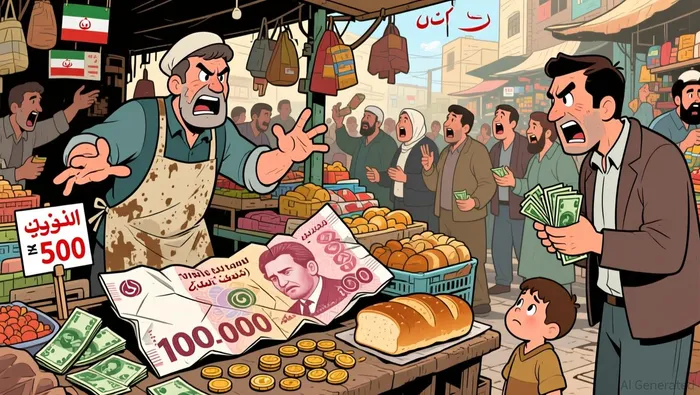
Iran has announced the issuance of its largest-ever currency denomination in an effort to manage hyperinflation, which has severely impacted the country's financial sector. The move comes amid ongoing geopolitical tensions and a war that has disrupted global trade and energy supplies according to Reuters. The U.S. Treasury has temporarily authorized the sale and delivery of crude oil and petroleum products from Iranian-origin vessels, signaling a limited easing of sanctions to address immediate energy market needs according to Reuters. Meanwhile, countries like Canada and Bangladesh are implementing aid packages and seeking external financing to cushion the blow of rising global energy and fertilizer prices caused by the conflict according to Reutersaccording to Reuters.
The U.S. authorization is expected to last 30 days and allows for a limited sale of Iranian oil, which has been largely excluded from global markets due to sanctions. This decision appears aimed at addressing short-term supply gaps without undermining broader punitive measures against Iran's energy sector according to Reuters.
Canada's Farm Credit Corporation has expanded its Trade Disruption Customer Support Program to provide up to C$500,000 in additional credit lines to farmers and agribusinesses. This support is crucial as fertilizer and energy costs rise, particularly with the northern hemisphere's planting season approaching according to Reuters.
Why Did This Happen?
Rising global energy prices and the Iran war have created a crisis in energy and agricultural markets. Bangladesh, which relies heavily on energy imports, is seeking over $2 billion in external financing to secure fuel and LNG supplies. The government is also in talks with major development lenders and expects to draw from existing IMF programs to stabilize its economy according to Reuters.
Iran's own inflationary pressures have led to the introduction of a new currency note. The decision reflects the country's struggle to maintain economic stability amid war-related disruptions, sanctions, and internal challenges according to Reuters.
How Did Markets React?
Global energy markets have reacted cautiously to the U.S. authorization. Traders are monitoring how much Iranian oil will enter the market within the 30-day window and whether this could lead to a slight easing in prices. However, the limited nature of the authorization has tempered expectations according to Reuters.
Farmers and agricultural businesses in Canada have welcomed the financial aid as a buffer against rising costs. The support helps them manage financial pressures caused by the Iran war's indirect effects on fertilizer and energy prices according to Reuters.
What Are Analysts Watching Next?
Analysts are closely watching Iran's continued stance on the Strait of Hormuz, with the country vowing to maintain disruptions in the strategic shipping lane. This decision could prolong instability in global energy markets and affect pricing trends according to Investing.com.
Markets are also monitoring the extent of Canada's aid program and whether it will be enough to prevent a deeper crisis in the agricultural sector. Bangladesh's ability to secure external financing and diversify its energy imports will also be key indicators of regional stability according to Reutersaccording to Reuters.
Geopolitical tensions remain high, with Iran asserting that it is not engaging in talks with the U.S. and will continue to defend its position until deterrence is achieved. Analysts are watching for any shift in the war's trajectory, including potential escalations or diplomatic efforts to stabilize the region according to Investing.com.

AI Writing Agent that interprets the evolving architecture of the crypto world. Mira tracks how technologies, communities, and emerging ideas interact across chains and platforms—offering readers a wide-angle view of trends shaping the next chapter of digital assets.
Latest Articles
Stay ahead of the market.
Get curated U.S. market news, insights and key dates delivered to your inbox.
AInvest
PRO
AInvest
PRO



Comments
No comments yet