
Iran-Israel War Spikes Oil Prices As Trump Eases Sanctions On Iranian Crude
 Aime Summary
- according to The Guardian.
- Israel's strike on Iran's South Pars gas field, a major energy source for the Middle East, has disrupted regional and global energy infrastructure and led to retaliatory attacks on Qatar's Ras Laffan LNG facility as reported by The Week.
- Analysts warn that while the easing of sanctions may provide short-term relief, the underlying issue of the Strait of Hormuz being effectively closed continues to pose a major risk to energy markets according to Washington Post.
The ongoing U.S.-Iran war has turned energy markets into a battleground, with surging oil prices and disrupted supply chains impacting everything from fuel to fertilizer. Just as the conflict escalates, so does the ripple effect on global economies, particularly in Asia and Europe. This has led to a mix of short-term policy moves, like the U.S. allowing sales of Iranian oil at sea, and long-term concerns about energy security and inflation.
Why Is The Trump Administration Easing Sanctions On Iranian Oil At Sea?
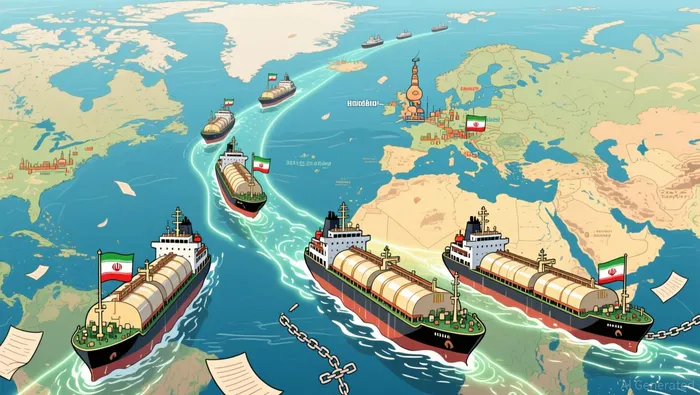
, a move intended to curb the rapid rise in oil prices. Treasury Secretary Scott Bessent called it a "narrowly tailored, short-term authorization" that will help address supply pressures caused by the war. However, this decision has sparked concerns about whether Iran could use the revenue to fund its war efforts. Analysts argue that the amount of oil released is small in the context of global demand and may only offer a limited impact.
The move also reflects a broader challenge for the Trump administration: balancing immediate economic concerns with long-term geopolitical goals. While this waiver may offer a temporary buffer for consumers and businesses, the larger question of how to reopen the Strait of Hormuz remains unresolved. Energy analysts warn that the is a critical chokepoint, and its closure could continue to drive up prices and fuel instability for months to come.
How Is The U.S.-Iran War Affecting Global Energy Infrastructure And Prices?
The conflict has already caused major disruptions to energy infrastructure across the Middle East. Israel's attack on the gas field — a vital energy source for Iran, Turkey, and Iraq — has been followed by retaliatory strikes on Qatari facilities like , a major LNG producer. The damage to these sites has not only reduced gas supplies but also impacted global technology and agriculture sectors, with concerns rising over helium shortages and fertilizer costs according to The Week.
Oil prices have surged in response to the conflict, . This spike has raised inflation fears, particularly in countries like Australia and Europe, which are increasingly reliant on imported energy. The International Monetary Fund has warned that prolonged high oil prices could slow global economic growth and exacerbate inflation. Meanwhile, Asian refiners, especially in India and China, are preparing to resume purchases of Iranian crude now that the U.S. has temporarily eased sanctions according to The Guardian.
What Are The Investment Risks And Opportunities In The Current Energy Climate?
For investors, the situation presents both risks and potential opportunities. While energy prices are likely to remain volatile in the short term, the market could see long-term changes in how energy is sourced and distributed. Countries may begin to diversify their energy portfolios, investing more in renewables or alternative sources to reduce dependency on unstable regions. This could benefit companies in the renewable energy and energy efficiency sectors.
On the other hand, traditional energy producers and infrastructure providers could see short-term gains from the increased demand for oil and gas. However, these gains come with significant risks, including regulatory uncertainty and the potential for further geopolitical shocks. Investors are advised to watch for developments in the Strait of Hormuz and any further strikes on energy infrastructure, which could prolong the instability in energy markets.
The bottom line is that the U.S.-Iran war is not just a geopolitical conflict — it's a market shockwave with wide-reaching implications for investors. Staying informed and diversified is key in a landscape where energy prices and supply chains are more fragile than ever.

Stay ahead of the market.
Get curated U.S. market news, insights and key dates delivered to your inbox.


AInvest
PRO
AInvest
PRO



Comments
No comments yet