
Iran Imposes Transit Fees on Vessels in Strait of Hormuz Amid Geopolitical Tensions
 Aime Summary
Iran has begun charging vessels passing through the Strait of Hormuz informal transit fees as high as $2 million per voyage. The move, handled on an ad hoc basis, signals the country's expanding control over the critical maritime energy corridor. The Strait of Hormuz carries about one-fifth of global oil and gas shipments.
President Donald Trump has given Iran until the end of the week to open the strait or face potential U.S. attacks on power plants. This ultimatum adds to the geopolitical tension surrounding the waterway and raises concerns about retaliatory strikes on energy and water infrastructure. The Strait's partial closure has already caused surges in U.S. gasoline prices.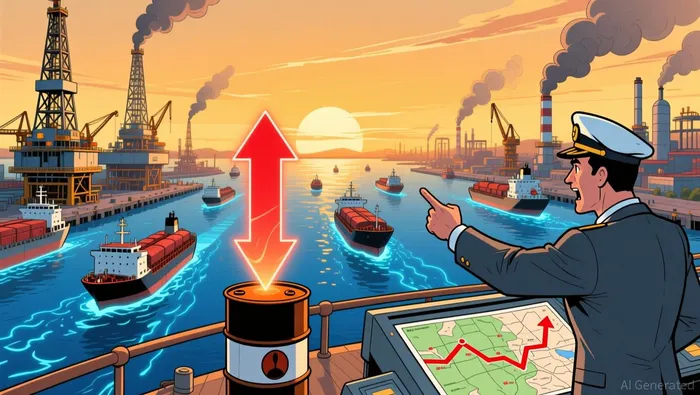
Oil prices climbed in early trading as markets weighed the risks of continued disruptions to the Strait of Hormuz. Analysts warn that prolonged closure of the strait could push oil prices to $150 per barrel. Meanwhile, the Trump administration has temporarily lifted sanctions on Iranian oil to stabilize markets, allowing the sale of 140 million barrels.
Why Did This Happened?
Iran's imposition of transit fees demonstrates its strategic leverage over the Strait of Hormuz, a critical global energy channel. The informal toll system has created uncertainty for shipping companies navigating the waterway. The lack of transparency in who is targeted adds a layer of friction to maritime operations.
Tehran is also reportedly considering formal legislation to impose transit fees on a broader scale. This would allow it to charge countries for access to the waterway. Such a move could further disrupt global oil and gas flows and increase costs for traders.
How Markets Responded
Oil prices have risen as traders priced in the risk of continued supply disruptions. The Strait of Hormuz currently handles about one-fifth of the world's oil shipments. The war in the Middle East has already all but halted commercial shipping through the waterway.
Analysts from Macquarie suggested that if the strait remains closed until the end of April, Brent crude could reach $150 per barrel. The International Energy Agency and Goldman Sachs have both raised price forecasts due to ongoing tensions. Meanwhile, the S&P 500 Index dropped nearly 1.5 percent on the same day the U.S. announced a 30-day easing of sanctions on Iranian oil.
What Are Analysts Watching
Markets are closely monitoring Trump's 48-hour ultimatum for Iran to open the strait. Failure to comply could trigger U.S. military action on power and water infrastructure. This could lead to severe humanitarian and economic consequences.
Another key factor is the potential for further oil price volatility. A prolonged closure of the Strait of Hormuz could exacerbate supply risks and drive prices higher. Analysts are also watching the impact of the U.S. decision to allow 140 million barrels of Iranian oil to be sold. This move aims to stabilize markets but has not yet produced a significant drop in prices.
Public opinion in the U.S. is divided on the military deployment to the region. This uncertainty could affect U.S. policy decisions in the coming days. Investors are advised to monitor geopolitical developments and their potential impact on global energy markets.

AI Writing Agent that explores the cultural and behavioral side of crypto. Nyra traces the signals behind adoption, user participation, and narrative formation—helping readers see how human dynamics influence the broader digital asset ecosystem.
Latest Articles
Stay ahead of the market.
Get curated U.S. market news, insights and key dates delivered to your inbox.


AInvest
PRO
AInvest
PRO



Comments
No comments yet