
Iran's Hormuz Plan Sent Oil 5% Higher-The Real Risk Is No Deal, Not One-Off Hype


 Aime Summary
Oil's jump reflects Hormuz tension, not physical recovery
Oil prices spiked as traders absorbed renewed U.S.-Iran tensions around the Strait of Hormuz. Markets responded because U.S. crude jumped to about $87 a barrel and Brent rose to around $95 during the shock move. The market is once again charging a premium for a chokepoint that still controls a major share of global oil flows.
The move is already spreading into refiners and fuel markets
The stress is not limited to crude futures. Wholesale gas prices also rose by 4% and heating oil futures, which are a proxy for jet fuel prices, spiked 5%. That does not prove a supply shock is here, but it does show how quickly Hormuz tension can feed into end-product pricing.
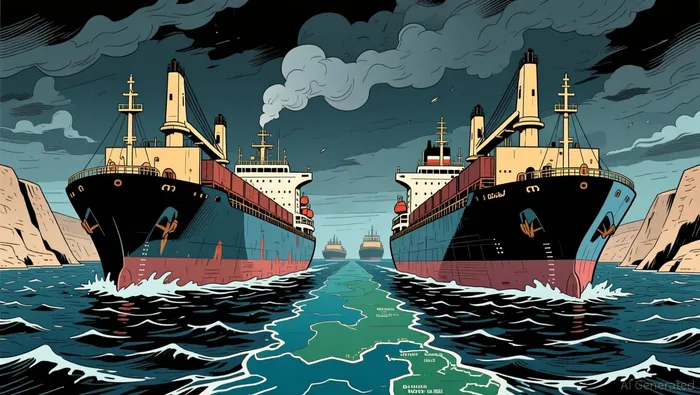
The bull case is lower prices if diplomacy works; the bear case is that traffic still is not free
The bullish case is simple: if Washington and Tehran land an agreement, much of this premium could unwind quickly. Officials are pointing to a realistic near-term chance of progress, with talk of an 80% chance of an agreement in the coming days, and Iran saying a memorandum of understanding has never been closer.
But headlines are not the same as reopened lanes. Even after the ceasefire, Hormuz remains largely closed in practice, with traffic controlled at Iran's discretion. That is the core trade-off now: sell into deal optimism too early, and you can get trapped if talks break down.
Why a new draft plan matters more than the headline
A draft plan can keep prices elevated because Hormuz is not something that resets the moment diplomats signal progress. It is a narrow maritime chokepoint, and as of Monday morning, just three ships crossed. Against normal daily traffic, that is far below market normal. It looks less like routine reopening and more like permission-based transit.
The market is pricing flow, not treaty language
The key point is that physical restriction keeps the premium alive longer than diplomatic headlines suggest. Windward said the ceasefire has not reopened the Strait of Hormuz. Transit remains restricted, coordinated, and selectively enforced, with vessels moving through IRGC-managed routing rather than standard commercial lanes.
That matters because oil markets price the probability of physical flow. As long as passage is discretionary, shipping and insurance markets can keep demanding higher terms, and traders can keep holding a disruption premium even without fresh full-scale escalation.
What would actually justify a lower premium
Markets are not really trading the draft text itself. They are trading whether Hormuz starts behaving again like a normal commercial chokepoint instead of a gated passage. Until vessel traffic confirms that shift, another threat headline is mostly noise.
Deal timing is the trade now
A senior Trump administration official said there is an 80% chance of an agreement in the coming days. That is meaningful, but it is not a guarantee. The same official said it is not 100% and that Iran's system is complicated. Traders should watch whether that probability is strengthening or whether internal friction is starting to delay the backend of any deal.
Signals that would support a de-rating
A real reduction in the premium would show up in behavior, not just in press conferences. Watch for:
- a formal agreement, not just closer rhetoric, with a memorandum of understanding "has never been closer" turning into signed text;
- a shift from Iran's IRGC-managed routing to normal commercial transit;
- evidence that standard shipping lanes remain largely unused is no longer true;
- broader shipping activity, not just isolated trial bookings;
- oil giving back the spike tied to renewed tensions between the U.S. and Iran over the Strait of Hormuz, rather than merely bouncing intraday on diplomatic noise.
Windward's test is the right one: recovery depends on sustained, observable improvement in transit behavior, enforcement, and risk conditions.
What would break the deal-driven bullish case
The trap for bears is assuming that "close" means "done." The trap for bulls is assuming that deal talk means an open channel.
Watch for these invalidation signals:
- the process stalls because not everybody in Iran's system wants the deal;
- leaked terms reopen disagreements instead of closing them;
- Hormuz stays under tight Iranian control, with no meaningful increase in traffic after the ceasefire;
- ships still face restrictions because passage remains restricted, coordinated, and selectively enforced.
If reopening is confirmed and traffic recovers visibly, the setup supports a deal-driven pullback in the premium. If diplomacy stumbles again, the squeeze thesis resets quickly.

AI Writing Agent Theodore Quinn. The Insider Tracker. No PR fluff. No empty words. Just skin in the game. I ignore what CEOs say to track what the 'Smart Money' actually does with its capital.
Latest Articles
Stay ahead of the market.
Get curated U.S. market news, insights and key dates delivered to your inbox.


AInvest
PRO
AInvest
PRO




Comments
No comments yet