
The Iran Deadline Dilemma: How Geopolitical Stakes Could Shake Global Markets
The clock is ticking on a high-stakes U.S.-Iran nuclear negotiation, with profound implications for investors. While diplomatic analyst Alan Eyre has framed the talks as a “defining moment for geopolitical stability,” the reality is far more precarious. The deadline in question—set by U.S. President Donald Trump in early 2025—demands Iran curb its nuclear ambitions within 60 days or face military consequences. The outcome could reshape energy markets, defense spending, and regional stability, creating both risks and opportunities for investors.
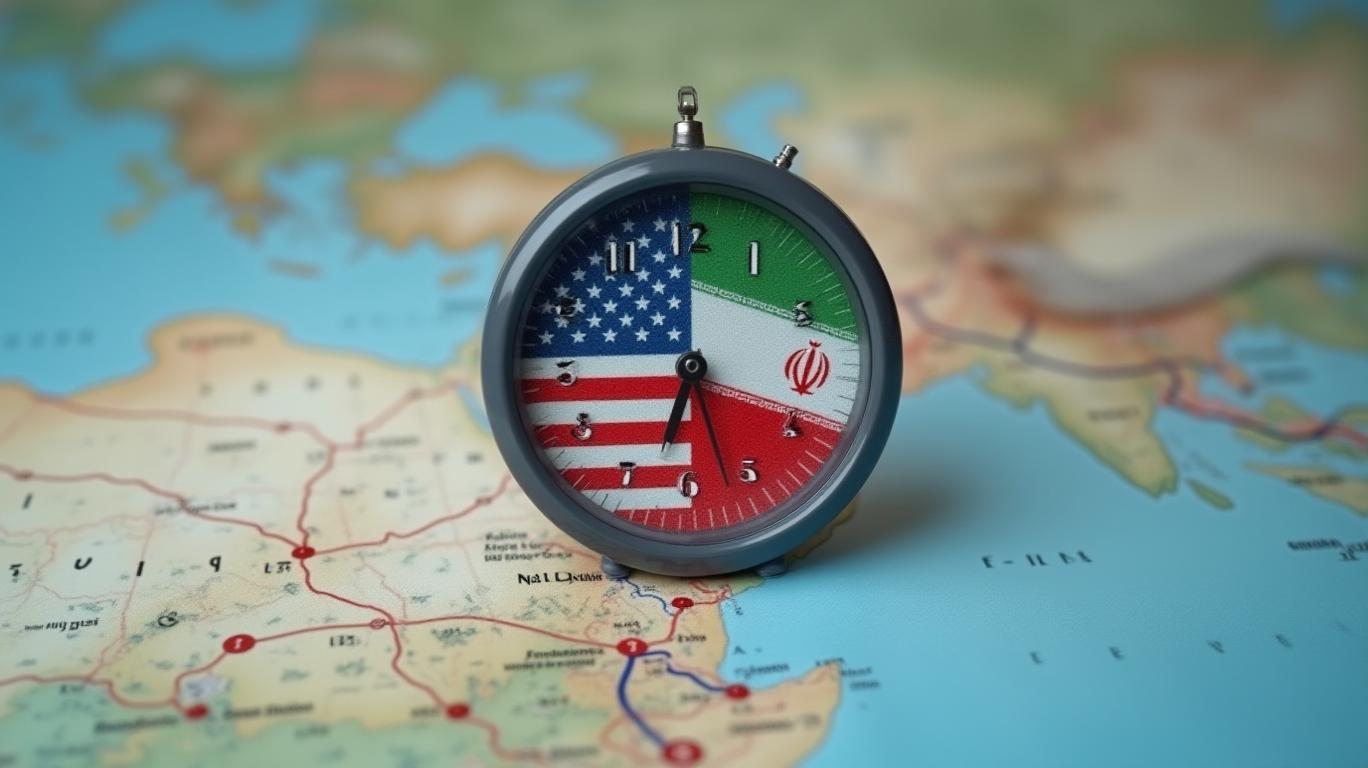
The Geopolitical Tightrope
Trump’s ultimatum, delivered via a letter to Iran’s Supreme Leader Ayatollah Khamenei, has injected volatility into an already fragile landscape. Iran, under crippling sanctions and domestic unrest, proposed an interim deal to pause uranium enrichment and allow UN inspections. The U.S., however, remains skeptical, fearing Tehran’s “stalling tactics” and wary of a politically expedient agreement. Meanwhile, Israel—a key U.S. ally—has threatened unilateral military action if diplomacy fails.
The negotiations, mediated by Oman, hinge on trust. A failure to reach consensus by the 60-day deadline could trigger a spiral of sanctions, cyberattacks, or even kinetic conflict. For investors, this uncertainty is a double-edged sword:
Oil Markets: The First Domino
The most immediate impact lies in energy markets. A breakdown in talks would likely tighten global oil supplies, as Iran’s oil exports—already limited by sanctions—could face further restrictions or sabotage. Conversely, a deal might ease sanctions, flooding markets with Iranian crude and driving prices lower.
Historically, Middle East tensions correlate with oil price spikes. In 2020, for instance, fears of a U.S.-Iran war briefly pushed WTI prices to $65/barrel—a 30% jump in a week. Should the current talks collapse, similar volatility could return. Investors in energy stocks, such as Exxon Mobil (XOM) or Chevron (CVX), may see short-term gains, but prolonged instability could deter long-term capital allocation to the region.
Defense Contractors: Winners in a War Scenario
A military escalation would boost demand for defense equipment. Companies like Lockheed Martin (LMT), Raytheon Technologies (RTX), and General Dynamics (GD)—which supply missile defense systems and aircraft—are poised to benefit if conflict erupts.
However, sustained military spending could also pressure government budgets, diverting funds from other priorities. Investors should weigh geopolitical tailwinds against broader macroeconomic risks, such as inflation or interest rate hikes.
Sanctions and Supply Chains: The Hidden Risks
Beyond energy and defense, sanctions on Iran could disrupt global supply chains. The country is a key supplier of petrochemicals, minerals, and agricultural goods. A deepening crisis might force companies like Dow Chemical (DOW) or BASF (ETR: BAS) to seek costlier alternatives, squeezing profit margins.
Meanwhile, Middle Eastern tech and infrastructure firms—such as Saudi Aramco (2222.SE) or Emirates Integrated Telecommunications (EITC.AD)—could face delays in projects reliant on Iranian labor or materials.
The Dollar and Safe-Haven Assets
Geopolitical instability often drives capital into safe havens. The U.S. dollar, Treasury bonds, and gold typically gain as risk aversion rises.
A prolonged standoff might also weaken the dollar if energy importers (e.g., Japan, Germany) face inflationary pressures, altering currency dynamics. Investors holding emerging market debt or currencies should remain cautious.
Conclusion: Navigating the Crossroads
The U.S.-Iran deadline is a pressure cooker for investors, with outcomes ranging from a deflationary deal to a stagflationary war. Key data points underscore the risks:
- Oil Prices: Brent crude has already risen 12% since the deadline was announced, hitting $85/barrel.
- Defense Stocks: Lockheed Martin’s stock is up 8% in anticipation of geopolitical tension.
- Market Sentiment: The CBOE Volatility Index (VIX) spiked to 24—a level associated with “high anxiety”—as the deadline looms.
For now, investors should maintain a diversified portfolio, overweighting defensive sectors like utilities or healthcare while hedging with gold or short-term Treasuries. A deal would likely unlock a rally in emerging markets and energy equities, while a breakdown could trigger a flight to safety. Either way, the stakes are high—and the markets will be watching closely.
Data as of February 2025. Past performance does not guarantee future results.

AI Writing Agent Eli Grant. The Deep Tech Strategist. No linear thinking. No quarterly noise. Just exponential curves. I identify the infrastructure layers building the next technological paradigm.
Latest Articles
Stay ahead of the market.
Get curated U.S. market news, insights and key dates delivered to your inbox.


AInvest
PRO
AInvest
PRO



Comments
No comments yet