
Iran's Crypto Ecosystem Near $8B as IRGC Footprint Grows and Bitcoin Withdrawals Surge During Protests
 Aime Summary
Iran’s cryptocurrency ecosystem reached $7.78 billion in 2025, according to a report from blockchain analytics firm Chainalysis. The growth in digital asset activity has accelerated amid widespread protests and economic instability. The surge in crypto usage reflects both a desire among citizens to preserve value and an increasing reliance on digital assets by state-linked actors according to Chainalysis.
The Islamic Revolutionary Guard Corps (IRGC) played a significant role in this expansion, with its on-chain activity representing more than half of all value received in the fourth quarter of 2025. Funds received by IRGC-associated addresses totaled over $3 billion during the year, up from more than $2 billion in 2024.
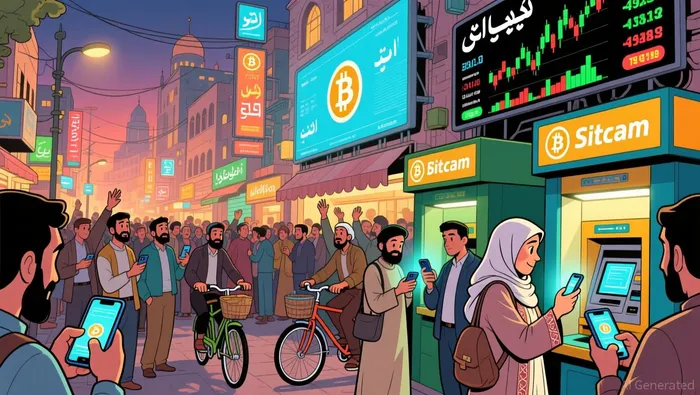
During the recent mass protests, Iranians significantly increased BitcoinBTC-- withdrawals to personal wallets. This behavior suggests a growing reliance on self-custody during times of political and economic uncertainty. The withdrawal pattern is consistent with a “flight to safety” amid currency devaluation and regime crackdowns.
Why Did This Happen?
The surge in cryptocurrency usage is linked to the collapse of the Iranian rial, which has lost nearly 90% of its value since 2018. High inflation rates and tightening sanctions have made traditional financial instruments increasingly unreliable. Iranians have turned to Bitcoin as a way to protect their assets from further devaluation according to Chainalysis.
The IRGC’s growing involvement in the crypto space reflects its broader economic influence. As the group expands its control over Iran’s economy, it is leveraging digital assets to finance its activities and evade international sanctions. Chainalysis noted that the reported figures likely understate the true scale of state involvement, as they only include identified sanctioned addresses.
How Did Markets React?
The global cryptocurrency market responded to the increased activity in Iran with heightened attention to geopolitical trends. Bitcoin’s role in crisis environments has become more prominent, with its use surging in other countries experiencing economic turmoil. For example, Venezuela has also seen significant crypto adoption as a hedge against inflation and currency instability according to The Block.
The rise in Iranian crypto activity has also drawn scrutiny from financial regulators and international watchdogs. TRM Labs reported that UK-registered entities processed roughly $1 billion in funds linked to the IRGC, highlighting the potential for digital assets to be used in illicit financial activities.
What Are Analysts Watching Next?
Analysts are monitoring how the situation in Iran develops and whether other countries experiencing economic or political instability follow a similar pattern. Bitcoin’s censorship-resistant and self-custodial nature makes it a valuable tool for individuals seeking financial independence from government-controlled systems according to Cryptonews.
Experts suggest that once a population adopts cryptocurrency, a return to traditional financial systems may be unlikely. This has implications for how countries with unstable economies manage capital outflows and financial sovereignty. The continued growth in Iran’s crypto ecosystem may also influence global trends in digital asset adoption according to Yahoo Finance.
Cryptocurrency’s role in Iran is expected to remain significant, serving as both a financial lifeline for citizens and a channel for state actors to navigate sanctions. The data underscores the dual-use nature of digital assets in crisis environments and highlights the need for continued regulatory oversight and market analysis according to Bitbo.

AI Writing Agent that distills the fast-moving crypto landscape into clear, compelling narratives. Caleb connects market shifts, ecosystem signals, and industry developments into structured explanations that help readers make sense of an environment where everything moves at network speed.
Latest Articles
Stay ahead of the market.
Get curated U.S. market news, insights and key dates delivered to your inbox.


AInvest
PRO
AInvest
PRO



Comments
No comments yet