
US-Iran Conflict Update: Diplomatic Stalemate Fuels Market Volatility as Trump Extends Strike Pause on Energy Infrastructure
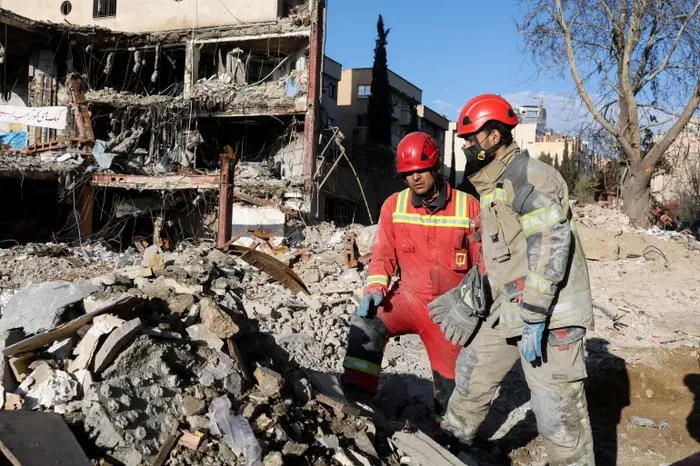
As March 2026 draws to a close, the global economy finds itself standing on a geopolitical precipice. The escalating war between the United States and Iran has moved beyond regional skirmishes, transforming into a massive destabilizing force for international financial markets. The interplay between high-stakes diplomatic maneuvering, looming military ultimatums, and extreme market volatility has created a perfect storm. Investors are currently grappling with severe equity sell-offs, a historic surge in energy costs, and a fundamental crisis of confidence in political leadership. This analysis comprehensively breaks down the latest negotiation developments, the terrifying military options currently on the table, and the severe financial reverberations echoing across the globe.
The Diplomatic Tightrope: Back-and-Forth Negotiations
Behind the scenes of public military posturing, a fragile and highly contested diplomatic channel has emerged. The U.S. and Iran have engaged in an intense back-and-forth, with proposals largely mediated through third parties like Pakistan. According to recent diplomatic leaks, Washington has forwarded a comprehensive 15-point peace plan designed to end the hostilities. Time magazine has reported that the U.S. terms heavily focus on neutralizing Tehran's nuclear ambitions and curtailing its ballistic missile program, demanding strict, verifiable curbs in exchange for an easing of immediate military pressure.
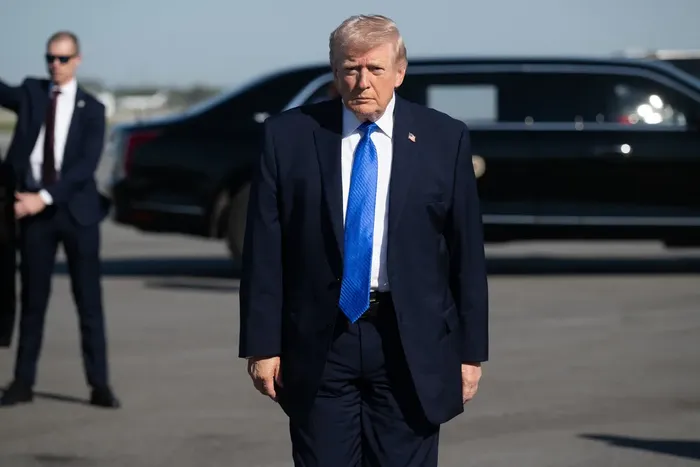
Iran, however, has publicly rebuffed these terms. Tehran laid out its own non-negotiable demands, emphasizing the complete withdrawal of U.S. naval assets from key chokepoints and the immediate lifting of economic blockades. While U.S. President Donald Trump has publicly characterized the backchannel discussions as "productive," senior commanders within the Islamic Revolutionary Guard Corps (IRGC) have firmly denied any formal engagement. This deep mistrust has stymied genuine progress, leaving both sides deadlocked as the clock ticks on various ultimatums
The Pentagon's Contingencies: Preparing for the "Final Blow"
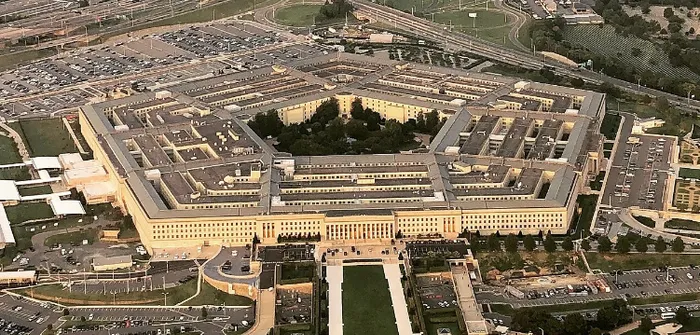
Because diplomacy has failed to yield an immediate ceasefire, the U.S. Department of Defense has reportedly formulated a slate of extreme military contingencies. As detailed by geopolitical intelligence platforms like Stratfor and Axios, the Pentagon has presented the White House with four primary "final blow" options intended to decisively cripple the Iranian economy.
These strategies aggressively target the nerve center of Iran's energy exports. Options include invading or enforcing a total blockade on Kharg Island, which serves as Iran's primary oil export hub. Military planners are also considering the seizure of Larak Island—a strategic outpost essential for tracking ship movements and launching asymmetric naval attacks. Other options involve capturing the disputed Abu Musa island or actively intercepting Iranian export vessels on the eastern side of the Strait of Hormuz. Furthermore, high-risk plans involving ground forces to secure highly enriched uranium from fortified Iranian nuclear sites have been drafted. The mere existence of these plans has sent a chilling message to the international community about the imminent risk of total regional war.
Flight to Safety: Safe Havens Surge on Conflict Anxieties
The prospect of a "final blow" and the potential closure of the world's most critical oil transit routes have panicked global investors. In response to the geopolitical terror, capital has rapidly fled risk-on assets in favor of traditional safe havens. Gold861123-- has seen an explosive rally, breaking through resistance levels as both retail and institutional investors seek shelter from the looming inflationary storm.
Silver, U.S. Treasuries, and the Swiss Franc have mirrored this aggressive upward trajectory. According to Straits Financials, the market's anxiety is rooted in the realization that a full-scale war in the Persian Gulf would not only disrupt energy supplies but fundamentally restructure global trade routes. Consequently, wealth preservation has superseded growth strategies, leading to a massive reallocation of global portfolios.
Market Reaction: Risk Aversion Dominates
The flight to safety has been disastrous for equity markets, particularly for high-growth sectors. Burdened by the prospect of an inflation resurgence and persistently high interest rates, the tech-heavy Nasdaq has officially plummeted into correction territory. Investors are rapidly unwinding positions in mega-cap technology stocks, fearing that an energy-driven economic slowdown will compress corporate margins and stifle consumer spending.
Based on Investing's data, Crude oil prices, by contrast, surged more than 8% in the session, with West Texas Intermediate briefly touching $95 per barrel intraday yet fallen drastically to $92.5 with a quick correction to $94.48. The roller coaster reflects fears of potential supply interruptions from the world's fifth-largest oil producer and a key Strait of Hormuz chokepoint. Energy futures markets are now pricing in a sustained risk premium, with front-month contracts reflecting expectations of tighter global inventories through the second quarter.
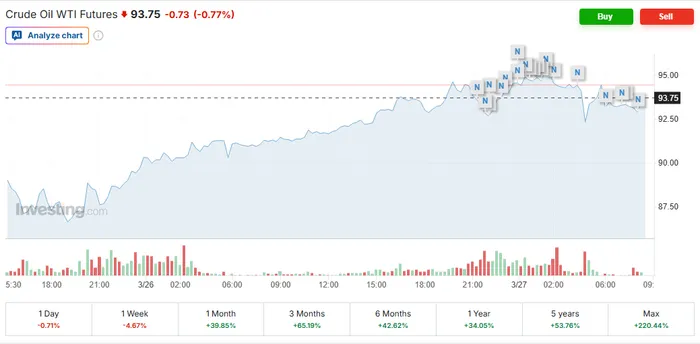
The sheer volatility reached a fever pitch following a dramatic intervention by the U.S. President. After issuing a severe 48-hour ultimatum threatening to obliterate Iranian power plants, Trump abruptly reversed course after the market closed. Citing "very good and productive" conversations, he announced a five-day postponement of the planned strikes against Iranian energy facilities.
The Analyst Consensus: Bracing for Impact
Financial experts and energy analysts are universally sounding the alarm. According to PBS, Fatih Birol, Chief of the International Energy Agency (IEA), has bluntly warned that the ongoing conflict has the potential to trigger a catastrophic global energy crisis, noting that no country will be immune to the macroeconomic effects if the situation continues to deteriorate.
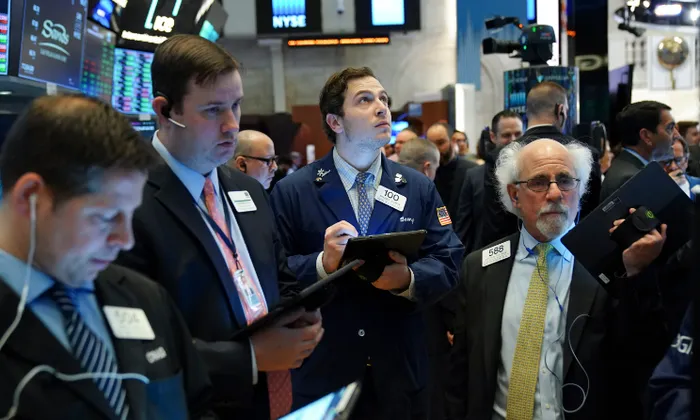
Market strategists on Wall Street echo this grim sentiment. Analysts argue that the Nasdaq's plunge into a correction is a leading indicator of broader economic rot fueled by geopolitical instability. The whiplash of aggressive ultimatums followed by sudden, contested delays has created an environment of unmanageable risk. Until there is transparent, bilateral de-escalation, experts advise that equities will remain highly vulnerable to sudden shocks, and energy markets will continue to act as a hyper-sensitive barometer of the world's most dangerous geopolitical flashpoint.

The AInvest News Editorial Team consists of experienced financial journalists and editors who oversee all published content. While our newsroom leverages advanced AI tools to assist in data gathering and draft generation, every article is reviewed, fact-checked, and approved by human editors to ensure accuracy, clarity, and transparency.
Latest Articles
Stay ahead of the market.
Get curated U.S. market news, insights and key dates delivered to your inbox.


AInvest
PRO
AInvest
PRO



Comments
No comments yet