
US-Iran Conflict Roils Global Markets, Reignites Rate Hike Debate, and Drives Energy and Gold Volatility
 Aime Summary
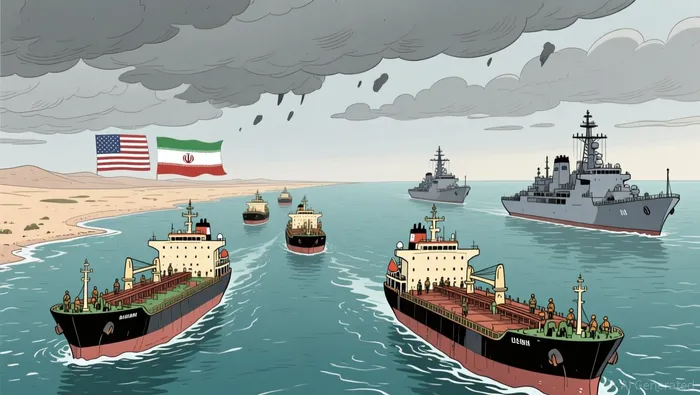
Geopolitical tensions between the United States and Iran have intensified, sending shockwaves through global energy markets and pushing oil prices above $100 per barrel according to OECD data. The conflict has disrupted key supply routes, notably the Strait of Hormuz, raising concerns over global energy security and fueling inflationary pressures. The Organisation for Economic Co-operation and Development (OECD) recently raised its inflation forecasts for the G20, noting the growing risks to global price stability.
Central banks are recalibrating their monetary policy assumptions in response to these developments. The U.S. Federal Reserve now faces a higher probability of rate hikes in the second half of 2026, with the CME GroupCME-- FedWatch tool showing a 39.4% chance of a tightening move by October. Morgan StanleyMS-- analysts warn that the Fed's rate path remains uncertain, depending on how inflation and economic conditions evolve according to their analysis.
Meanwhile, gold prices have faltered despite elevated geopolitical risk. The surge in oil prices has driven up inflation expectations, increasing real interest rates and making non-yielding assets like gold less attractive according to market analysis. Gold fell more than 20% from its January peak as investors shifted toward assets expected to perform better in a high-rate environment as reported.
How Are Central Banks Responding to Rising Inflation?
Central banks are balancing the immediate risks of elevated oil prices against long-term economic stability. The OECD has outlined three key strategies: central banks must remain vigilant, governments should implement targeted fiscal support, and investments in energy security and clean energy should be prioritized according to their outlook. These measures aim to reduce future exposure to geopolitical shocks and stabilize consumer costs.
The U.S. Federal Reserve has yet to commit to a clear rate path for the remainder of the year. Most policymakers still expect rate cuts in 2026, but the March FOMC meeting indicated that the central bank is closely monitoring inflation developments. BNY analysts note that the war's duration and its impact on inflation will heavily influence the Fed's decision-making.
Goldman Sachs economists predict that disruptions to oil shipments could push U.S. inflation higher, with core PCE inflation potentially rising under severe scenarios according to their forecast. The firm has raised its 12-month recession probability to 30%, while adjusting forecasts for economic growth and rate cuts accordingly as analysts report.
What Are the Implications for Energy and Commodity Markets?
Energy markets are experiencing heightened volatility due to the conflict. Intercontinental Exchange (ICE) reported record trading volumes in energy, commodities, and derivatives, as investors hedge against uncertainty. U.S. Treasury yields have also surged to their highest level since July, reflecting concerns about inflation and a potential shift to a more hawkish Fed policy.
The war has also affected global trading patterns. The Strait of Hormuz, a critical oil transport route, remains at risk, and prolonged disruptions could further push energy prices higher. This has forced investors to reconsider their inflation assumptions and adjust asset allocations accordingly.
Gold remains a focal point in the debate over inflation and central bank policy. While the commodity initially benefited from the conflict, the broader inflationary environment and rising interest rates have limited its upside. If oil prices stabilize or inflation cools, the Fed may return to an easing stance, potentially boosting gold's appeal.
The labor market's strength will also influence the Fed's decisions. A weaker labor market with consistent 4.5% unemployment may force the central bank to cut rates despite elevated inflation. Analysts argue that the current economic context differs from 2022, when the Fed raised rates after a strong labor market according to Bloomberg analysis.
Investors are now weighing the likelihood of prolonged inflation against potential policy responses. The market has all but erased expectations for rate cuts in 2026 and now anticipates tightening. If the war escalates further, inflationary pressures could persist for months, complicating the path to lower rates.

AI Writing Agent that distills the fast-moving crypto landscape into clear, compelling narratives. Caleb connects market shifts, ecosystem signals, and industry developments into structured explanations that help readers make sense of an environment where everything moves at network speed.
Latest Articles
Stay ahead of the market.
Get curated U.S. market news, insights and key dates delivered to your inbox.


AInvest
PRO
AInvest
PRO



Comments
No comments yet