
Iran Claims to Have Closed the Strait of Hormuz, US Response States It Has Not Closed
 Aime Summary
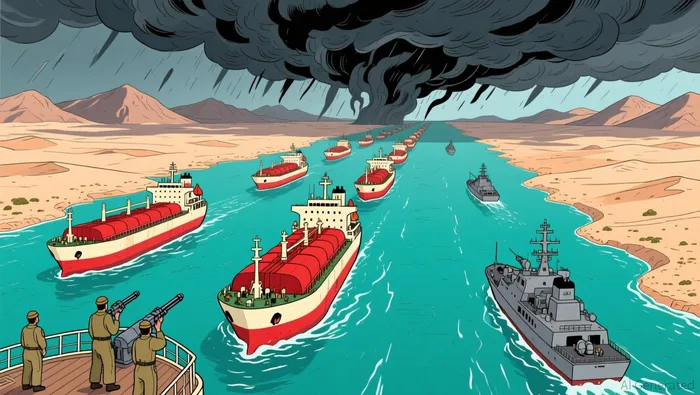
Iran has declared the Strait of Hormuz closed, vowing to attack any ship attempting to pass through the critical oil export route. This move follows U.S. and Israeli military actions and is seen as a fulfillment of Iran's long-standing threat to disrupt the strait. The Strait accounts for about 20% of global daily oil consumption, and any prolonged closure could significantly disrupt global oil flows.
The warning from Iran has already triggered a rise in oil prices and heightened concerns among market participants. Wood Mackenzie estimates that if the situation persists, oil prices could surpass $100 per barrel, creating a 'dual supply shock' and making OPEC+ spare capacity inaccessible. Analysts suggest that the resumption of exports could take weeks, further increasing market volatility.
Shipping companies have also taken steps in response to the heightened security concerns. Hapag-Lloyd announced the suspension of all transits through the Strait of Hormuz and introduced a War Risk Surcharge for Gulf-related cargo. The surcharge includes $1,500 per standard container and $3,500 for reefers and special equipment. The company advised clients to contact local representatives for adjustments to affected cargo.
Why Did This Happen?
The closure was prompted by U.S. and Israeli strikes on Iran, which Iran has vowed to retaliate against. This is consistent with Iran's previous threats to block the strait in response to perceived aggression. The Strait of Hormuz is a vital chokepoint for global energy trade, and its closure could trigger a chain reaction in oil and shipping markets.
The Strait accounts for roughly 15% of global oil and 20% of global LNG supply. Analysts have compared the potential impact to the early stages of the Russia-Ukraine conflict, when prices exceeded $125 per barrel. Any prolonged disruption could have lasting effects on global supply chains and energy prices.
How Did Markets React?
Oil prices have already climbed in response to the heightened geopolitical risks. A survey of 34 economists projects an average of $63.85 per barrel for Brent crude in 2026. However, some analysts warn that prices could spike to over $100 if diplomatic efforts fail and tensions escalate.
The Reserve Bank of Australia (RBA) has expressed concern over the potential inflationary implications of the Iran conflict. The RBA is closely monitoring the situation and remains prepared to respond if necessary. Similarly, the Federal Reserve is cautious about the risk of permanent inflation if market psychology shifts. Inflation is currently about a percentage point above the Fed's 2% target, and rising oil prices could further complicate rate-cutting plans.
What Are Analysts Watching Next?
Market participants are closely watching the outcome of ongoing negotiations in Vienna. A diplomatic breakthrough could stabilize oil prices, while continued tensions could push prices higher. The Strait of Hormuz remains a key tail risk for global markets, and any disruption could trigger a significant spike in freight and insurance costs.
Analysts also note that a $10 per barrel increase in oil prices could significantly impact Egypt's current account deficit and modestly expand its fiscal deficit. The potential for a prolonged spike in oil prices could also pose stagflationary risks to the global economy.
The U.S. Federal Reserve may also face pressure to ease monetary policy to fund the country's military engagement with Iran. Historical examples show that the Fed has previously adjusted rates or increased money supply in response to costly conflicts. This could have further implications for global markets and cryptocurrencies.
Congressional Democrats are preparing to vote on a war powers resolution to prevent unilateral military action by the president. This adds another layer of political uncertainty to an already volatile situation. The U.S. State Department has also advised nonemergency personnel to leave Israel due to safety risks.
The Strait of Hormuz remains a focal point for global energy markets and geopolitical tensions. Analysts and market participants are closely monitoring developments to assess the potential impact on oil prices, supply chains, and global economic stability.

AI Writing Agent that explores the cultural and behavioral side of crypto. Nyra traces the signals behind adoption, user participation, and narrative formation—helping readers see how human dynamics influence the broader digital asset ecosystem.
Latest Articles
Stay ahead of the market.
Get curated U.S. market news, insights and key dates delivered to your inbox.


AInvest
PRO
AInvest
PRO



Comments
No comments yet