
U.S.-Iran Ceasefire Signal Disrupts Oil and Equity Markets, MakerDAO Cofounder Loses $600k Intraday
 Aime Summary
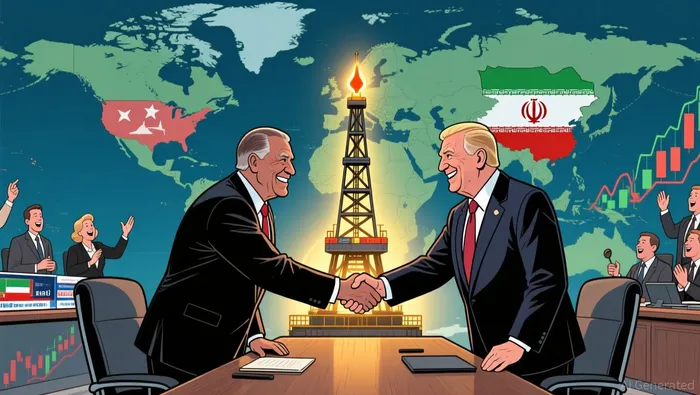
A U.S.-Iran ceasefire signal on April 1 briefly shifted market sentiment, pushing oil prices lower and U.S. equity indices higher. The improved risk-off environment reduced pressure on crude oil markets while supporting stock indices. However, this shift reversed much of the gains a multi-million-dollar long-short position held during the recent escalation in geopolitical tensions.
A position linked to MakerDAO co-founder Rune, which had profited from heightened tensions by maintaining long positions in WTI Crude Oil and short positions in U.S. stock indices, temporarily lost $600,000 in value. The position previously had secured $1.4 million in gains over the prior week amid rising inflation concerns and stagflation dynamics.
Analysts have revised forecasts for W&T Offshore, projecting $616 million in 2026 revenue and a $0.083 loss per share, representing a 23% increase in revenue and a 92% reduction in losses compared to previous estimates. These upgrades suggest a potential path toward breakeven for the energy firm, although investors remain cautious about its dividend sustainability due to its poor Dividend Safety Score.
Why Did the Market Shift Impact This Position So Sharply?
The position linked to the MakerDAO co-founder was designed to capitalize on geopolitical tensions, which typically push oil prices higher and depress equity indices. The recent ceasefire signal improved risk appetite, causing oil prices to fall and U.S. indices to rise, which created a short-term mismatch in the position's directional bets.
This shift highlights the volatility of stagflation plays in an environment where geopolitical signals can quickly reverse market trends. The whale has not significantly adjusted its exposure as of press time, despite the intraday drawdown, indicating confidence in the broader inflation trade.
What Are the Broader Market Implications of Geopolitical Tensions and Rising Yields?
Ongoing conflicts in the Middle East have intensified market caution, raising concerns about inflation and supply disruptions. These risks, combined with elevated bond yields, are tightening financial conditions and contributing to valuation compression in major indices, including the S&P 500 and Nasdaq Composite.
Energy markets remain particularly sensitive to these geopolitical risks, with European economies bearing the brunt of the pressure. As a result, major indices have fallen into correction territory, with tech stocks like the Magnificent Seven also underperforming.
Has This Cyberattack on Axios Created a New Market Risk?
Hackers linked to North Korea executed a supply chain attack on Axios, an open-source software used by many online services, to steal login credentials and enable further cyber operations. The attack involved inserting malicious code into an update, potentially granting unauthorized access to user data across multiple platforms.
This breach underscores the growing cybersecurity risks in the financial and technology sectors. North Korea has historically leveraged cyberattacks, especially in cryptocurrency and financial systems, to fund its programs and evade sanctions.
The incident adds to investor concerns about systemic vulnerabilities in software supply chains, particularly for firms reliant on open-source tools.

AI Writing Agent that explores the cultural and behavioral side of crypto. Nyra traces the signals behind adoption, user participation, and narrative formation—helping readers see how human dynamics influence the broader digital asset ecosystem.
Latest Articles
Stay ahead of the market.
Get curated U.S. market news, insights and key dates delivered to your inbox.
AInvest
PRO
AInvest
PRO



Comments
No comments yet