
Iran Allegedly Fires Missiles at Israel, Prompting Strong Military Response
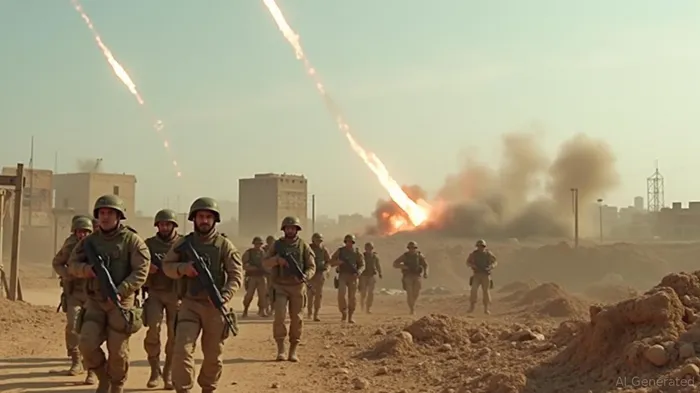
The fragile peace in the Middle East has been shattered, sending shockwaves across the globe. Just as a ceasefire between Iran and Israel was reportedly in effect, news emerged of Iran’s alleged firing of missiles at Israel, prompting an immediate and severe reaction from the Israeli defense minister. This development marks a perilous turn in an already volatile region, demanding the attention of policymakers, analysts, and global citizens alike. The implications of these alleged ceasefire violations are profound, as they undermine the credibility of future diplomatic efforts and significantly raise the stakes for all parties involved. It signals a dangerous willingness to escalate, rather than de-escalate, at a moment when restraint is critically needed.
In the face of what Israel perceives as a direct provocation, the response has been swift and uncompromising. The Israeli defense minister has reportedly issued explicit instructions to the military: respond strongly. This isn’t merely a rhetorical warning; it signifies a concrete directive for aggressive military action. The phrase “respond strongly” suggests a calibrated but forceful retaliation, designed to deter further aggression and reassert Israel’s security posture. The nature of this directive implies a multi-faceted approach, potentially involving air strikes, missile defense activations, and other defensive or offensive measures. For Israel, national security is paramount, and any perceived threat to its sovereignty or its citizens will likely be met with an unequivocal demonstration of force. This immediate and resolute response highlights the gravity with which Jerusalem views the alleged ceasefire breach, signaling that such violations will not be tolerated.
Perhaps the most alarming aspect of the defense minister’s instructions is the mention of “delivering high-intensity strikes against targets in the core area of Tehran.” This statement introduces an entirely new and dangerous dimension to the conflict. Striking the capital city of an adversary, especially its “core area,” carries immense strategic and symbolic weight. It moves beyond retaliatory strikes on military installations in border regions and suggests a willingness to target the very heart of Iranian power. Striking the capital sends a clear message of capability and resolve, directly challenging the adversary’s perceived invulnerability. Such an action dramatically increases the risk of a full-scale war, potentially drawing in regional and international powers. It puts immense pressure on the targeted government, potentially leading to a more aggressive counter-response or, conversely, a reconsideration of their actions. Strikes in urban centers inherently carry a higher risk of civilian casualties, which could trigger widespread condemnation and humanitarian crises. The potential for high-intensity strikes on Tehran transforms this incident from a localized flare-up into a potential regional conflagration, demanding immediate international attention and de-escalation efforts.
The alleged ceasefire violation and Israel’s subsequent strong directive threaten to plunge the already tumultuous Middle East into deeper turmoil. The region is a complex web of alliances, rivalries, and proxy wars, and any significant escalation between two major players like Iran and Israel has ripple effects far beyond their immediate borders. This isn’t just a bilateral dispute; it’s a potential catalyst for a wider Middle East conflict. Key concerns include regional spillover, where neighboring countries and non-state actors could be drawn into the hostilities, creating new fronts. Increased oil prices, disrupted trade routes, and investor uncertainty in global markets could lead to global economic instability. A humanitarian crisis could ensue, with displacement of populations, increased civilian casualties, and strain on aid organizations. There is also the risk of international diplomacy failure, further eroding trust in international mediation efforts and agreements. The international community is now faced with the urgent task of preventing a full-blown war, which would have devastating consequences for millions and reverberate across the global economy and political landscape.
The current situation underscores the inherent fragility of peace in the Middle East and highlights the enduring nature of geopolitical tensions between Iran and Israel. These two nations have been locked in a shadow war for decades, characterized by proxy conflicts, cyberattacks, and covert operations. A direct, overt military confrontation of this magnitude would represent a dramatic and dangerous shift. The primary challenge is to break the cycle of action and counter-action. Will international pressure lead to de-escalation, or will both sides feel compelled to respond in kind, leading to an uncontrollable spiral? The role of major powers like the United States, Russia, China, and European nations will be crucial. Their diplomatic interventions, or lack thereof, could significantly influence the trajectory of the conflict. Leaders in both Iran and Israel face domestic pressures to appear strong and decisive, which can complicate efforts towards moderation and compromise. This conflict could also reignite concerns about Iran’s nuclear program, potentially pushing it further out of international oversight. The coming days will be critical in determining whether the region descends into widespread conflict or if diplomatic efforts can somehow pull it back from the brink. The world watches with bated breath as the stakes could not be higher.
The news of Iran’s alleged ceasefire violation and Israel’s resolute directive for a strong military response, including potential high-intensity strikes on Tehran, paints a grim picture for the Middle East. This escalation underscores the deeply entrenched mistrust and the inherent volatility of the region. What began as a hopeful ceasefire has quickly transformed into a dangerous flashpoint, pushing both nations, and indeed the entire world, to a perilous crossroads. The implications for regional stability, global markets, and human lives are immense. Preventing a full-scale war now rests on the shoulders of diplomatic ingenuity and a profound commitment to de-escalation from all involved parties.

Stay ahead of the market.
Get curated U.S. market news, insights and key dates delivered to your inbox.


AInvest
PRO
AInvest
PRO



Comments
No comments yet