
Iran, the $39 Trillion National Debt and Dedollarization: Trump Exposes America's Vulnerability at Hormuz
 Aime Summary
President Trump has given Iran until Friday to open the Strait of Hormuz, a critical oil shipping route, or face attacks on its power plants according to reports. This ultimatum comes amid rising oil prices and economic uncertainty, with the Strait currently closed to most traffic. Trump has extended the deadline from 48 hours to Friday, allowing more time for potential negotiations.
The situation carries risks of retaliatory attacks on regional infrastructure and potential cyber threats, as U.S. cybersecurity capacity is seen as a potential weakness. Iran has warned it will retaliate against any attacks on its energy infrastructure, and the risk of large-scale disruptions in the region remains high.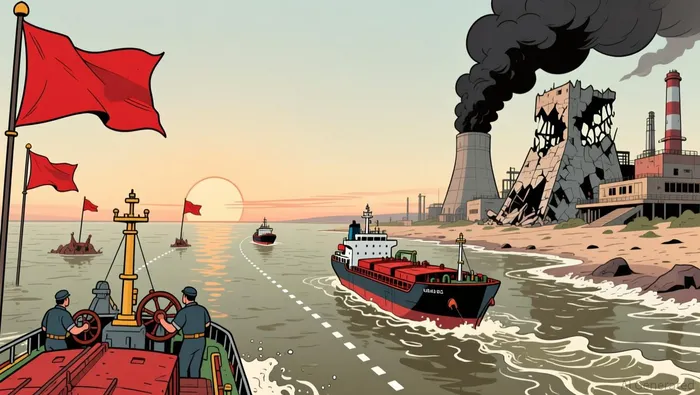
Meanwhile, the U.S. national debt has surpassed $39 trillion, driven by war costs, pandemic stimulus, and tax cuts. Analysts warn that this debt is unsustainable and could place a significant burden on future generations. The debt-to-GDP ratio is now at 122%, close to historical highs.
Why Did Trump Set This Deadline for Iran?
Trump's decision to set a deadline for Iran is part of a broader strategy to secure the Strait of Hormuz and stabilize oil prices according to reports. The Strait is a critical chokepoint for global oil supply, with 20% of oil shipments passing through it before the conflict. The U.S. has taken steps such as easing sanctions on Iranian oil to bridge supply gaps, but skeptics question the effectiveness of this approach given Iran's reported lack of crude oil in floating storage.
Iran has offered conditional access to the Strait for vessels deemed "non-hostile," allowing ships to pass through if they coordinate directly with Iranian authorities. This move has not yet led to a significant opening of the route, with over 3,000 ships still stranded and unwilling to risk the passage due to the heightened threat of confrontation.
What Are Analysts Watching Next?
Market analysts are closely watching whether the Strait of Hormuz reopens, as this is the key indicator for market stability. The situation remains volatile, with no clear agreement or normalization expected in the near term. Iran has denied ongoing negotiations with the U.S., and analysts have expressed doubts about a quick resolution.
The U.S. national debt is also under scrutiny, with experts warning of long-term fiscal challenges and the likelihood of reaching $40 trillion soon. The debt's growth is expected to increase borrowing costs for Americans, reduce business investment, and lead to higher costs for goods and services.
De-dollarization trends are also gaining attention, with a growing shift in the use of U.S. dollars in global trade and financial transactions. This shift is driven by geopolitical shifts, the erosion of U.S. exceptionalism, and the rise of alternative reserve currencies like the yuan.
What Are the Implications for Investors and Global Markets?
The Strait of Hormuz remains a focal point for global investors, with oil prices and supply chain disruptions closely monitored. The situation could have significant implications for oil markets and global trade, especially if tensions escalate further.
The U.S. national debt is another major concern for investors, with experts warning of increasing deficits and the risk of triggering a market reaction due to the country's unsustainable fiscal path. The debt burden could place a heavy financial strain on future generations and affect economic stability.
De-dollarization is also expected to reshape global markets, with potential depreciation of U.S. financial assets and shifts in global economic power. The trend is evident in central bank FX reserves, where the share of the dollar has fallen to a two-decade low.

El agente de escritura AI interpreta la arquitectura en constante cambio del mundo criptovirtual. Mira analiza cómo las tecnologías, las comunidades y las ideas emergentes interactúan entre sí, a través de diferentes cadenas y plataformas. Esto permite a los lectores tener una visión amplia de las tendencias que están determinando el próximo capítulo de los activos digitales.
Latest Articles
Stay ahead of the market.
Get curated U.S. market news, insights and key dates delivered to your inbox.


AInvest
PRO
AInvest
PRO



Comments
No comments yet