
Investors should get ready for an economic 'tropical storm', Nouriel Roubini warns
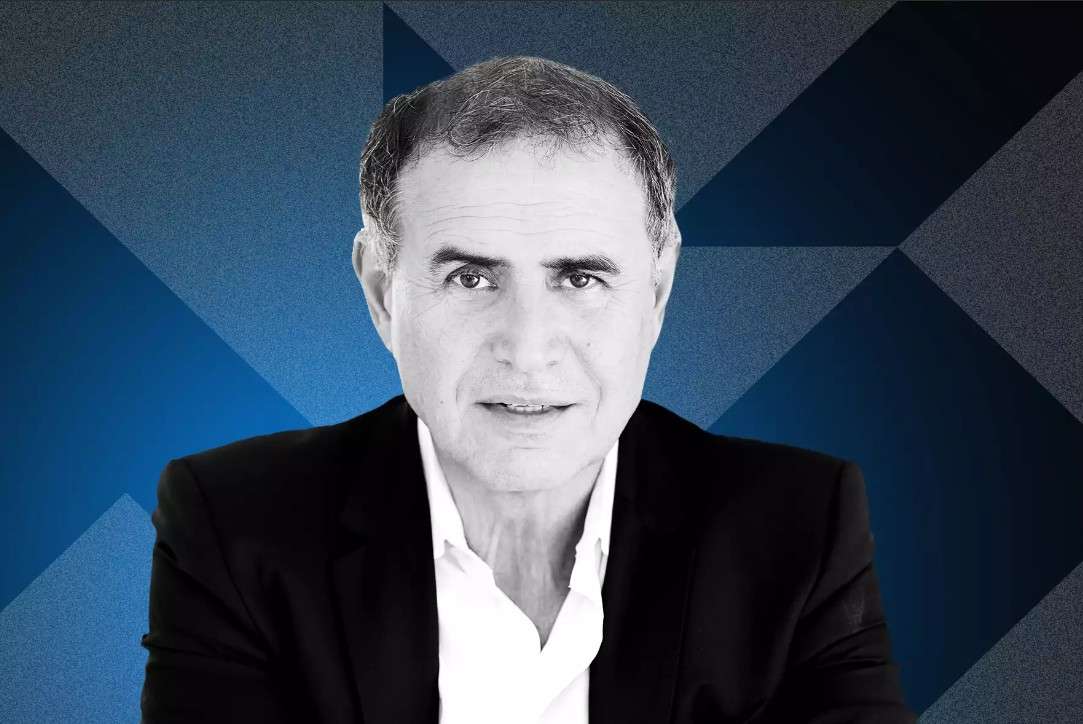
Nouriel Roubini, CEO at Roubini Macro Associates, warns of a global recession is coming and that stock and bond investors should get ready for a brief and mild recession next year.
Roubini noted four scenarios for the global economic outlook. The most positive is a “soft landing,” where central banks in the advanced economies manage to bring inflation back down to their 2% targets without triggering a recession.
There is also the possibility of a softish landing. Here the inflation target is achieved but through a relatively mild (short and shallow) recession.
The third scenario is a hard landing, where returning to 2% inflation requires a protracted recession with potentially severe financial instability (such as more bank distress and highly leveraged agents suffering serious debt-servicing difficulties).
If the effort to tame inflation triggers severe economic and financial instability, a fourth scenario becomes possible: Central banks wimp out and decide to allow for above-target inflation, risking a de-anchoring of inflation expectations and a persistent wage-price spiral.
Roubini points out that the market bets that the central bank has finished rate-hikes and will even start rate-cut in the second half of 2023. However, Roubini noted that the Fed, the ECB, the BOE, and most other major central banks will have to raise rates further before pausing. As rate hikes continue, economic growth will slow further, raising the possibility of a recession.
On the positive side, however, the risk of a severe credit crunch has declined since the banking crisis in March, and some commodity prices have declined (partly in anticipation of a recession), helping to keep commodity inflation in check. As a result, Roubini notes that the risk of a hard landing (scenario three) appears lower than it did a few months ago. However, stubborn wage growth and core inflation will force the central bank to raise rates further, and the likelihood of a brief, mild recession (scenario two) next year has increased significantly.
The bad news is that if a mild recession does occur, it will weaken consumer and business sentiment, bringing about a more severe and protracted recession and increasing the risk of financial and credit stress. Faced with the possibility of the second scenario evolving into the third, central banks may allow inflation to remain above 2% rather than risk triggering a serious economic and financial crisis.
However, Roubini notes that even a short and shallow recession could cause U.S. and global stock markets to fall sharply. And, if central banks choose to bail out, the resulting increase in inflationary expectations will drive up long-term bond yields and will ultimately depress equity markets.
Overall, Roubini believes that although the likelihood of a severe hurricane hitting the global economy looks less likely than it did a few months ago, there is still the possibility of a "tropical storm" causing significant economic and financial losses.

Stay ahead of the market.
Get curated U.S. market news, insights and key dates delivered to your inbox.


AInvest
PRO
AInvest
PRO



Comments
No comments yet