
Investing in Utility Stocks with Strong Winter-Readiness and Grid Modernization Plans


 Aime Summary
Climate Extremes and the Rising Cost of Grid Vulnerability
Recent data underscores the urgency of grid resilience. According to JD Power's 2025 report, average long outages in the U.S. , with Southern states experiencing outages averaging over 18 hours. Hurricanes alone accounted for 80% of lost power hours in 2024, including catastrophic events like Helene, which . Meanwhile, , bearing the brunt. These trends highlight a critical vulnerability: as climate extremes intensify, utilities must invest in adaptive infrastructure to avoid costly disruptions and reputational damage.
Winter Readiness: A Test of Resilience
Winter reliability remains a focal point for regulators and investors. The North American Electric Reliability Corporation (NERC) has warned of energy shortfalls during extreme cold, despite improvements in generator winterization and gas-grid coordination. For example, New York's Independent System Operator (NYISO) , but fuel security concerns persist, particularly for oil- and dual-fuel generators. Similarly, the Western Interconnection faces elevated risks in the Northwest and Basin subregions due to cold-weather impacts on gas supply and generation infrastructure as detailed in the seasonal assessment.
Utilities like CenterPoint Energy and Georgia Power stand out for proactive winter-readiness measures. CenterPoint EnergyCNP--, a Texas-based utility, has , hardened infrastructure against ice buildup, and submitted formal winter preparedness declarations to ERCOT and the Railroad Commission of Texas. , 10-year capital investment plan-aimed at modernizing the grid and supporting rising electricity demand- to improve customer outcomes. Georgia Power, meanwhile, extended the operational life of coal and natural gas units through 2034 while integrating solar and battery storage into its 2025 Integrated Resource Plan (IRP). However, critics argue the utility underestimates the potential of renewables to reduce reliance on fossil fuels.
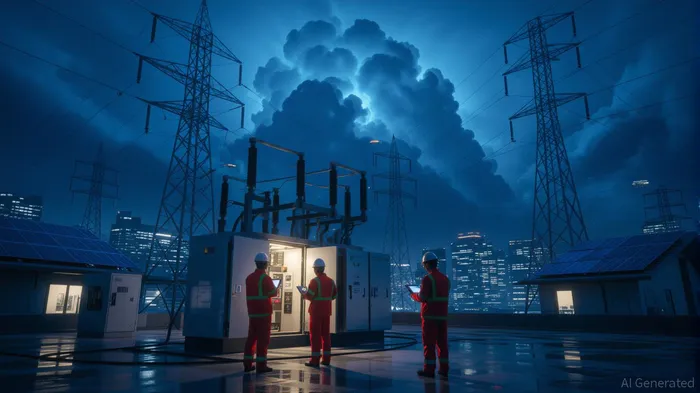
Grid Modernization: Innovation as a Competitive Edge
Grid modernization is no longer optional-it's a survival imperative. The framework, developed by the Electric Power Research Institute (), is gaining traction as a data-driven tool for utilities to prioritize climate-resilient investments. Technologies like microgrids, advanced outage prediction models, and AI-driven grid simulations are enabling faster recovery and smarter resource allocation. For instance, Duke Energy has partnered with tech firms to accelerate clean energy tariffs, while AEP Ohio has restructured rates to shift transmission costs to larger users.
Investor confidence is also tied to performance metrics. . Meanwhile, highlights its commitment to expanding transmission capacity and integrating renewables.
Expert Assessments and Risk Mitigation
Third-party validations add credibility to utility claims. NYISO's winter readiness assessment, endorsed by NERC, emphasizes the importance of fuel monitoring and generator maintenance. For Georgia Power, regulatory approvals from the Georgia Public Service Commission (PSC) underscore its plan's alignment with state energy goals, though advocacy groups like Vote Solar have called for greater transparency and cost-benefit analyses. Similarly, CenterPoint Energy's winterization efforts have been praised by ERCOT for their alignment with regional reliability standards.
However, risks remain. Georgia Power's reliance on coal and gas, despite its renewable targets, raises concerns about long-term sustainability. Investors must weigh these trade-offs against the utility's grid modernization pace and regulatory support.
Investment Recommendations
For investors seeking exposure to climate-resilient utilities, the following stocks merit attention:
1. CenterPoint Energy (CENX): Its $65 billion capital plan, winter-readiness actions, and strong EPS guidance position it as a leader in grid modernization.
2. Georgia Power (via Southern Company, SO): Despite criticisms, its IRP and transmission investments align with rising demand and renewable integration.
3. Duke Energy (DUK): Its partnerships with tech firms and focus on virtual power plants (VPPs) highlight innovation in grid flexibility.
Conclusion
The energy transition is accelerating, and utilities that prioritize winter readiness and grid modernization will outperform peers in a climate-volatile world. While challenges like fuel security and regulatory delays persist, companies like CenterPoint Energy, Georgia Power, and Duke EnergyDUK-- demonstrate that resilience is achievable-and profitable. For investors, the key lies in balancing short-term reliability with long-term sustainability, ensuring portfolios are aligned with the realities of a warming planet.

Delivering real-time insights and analysis on emerging financial trends and market movements.
Latest Articles
Stay ahead of the market.
Get curated U.S. market news, insights and key dates delivered to your inbox.
AInvest
PRO
AInvest
PRO



Comments
No comments yet