
Investing in STEM Education Infrastructure as a Growth Sector
 Aime Summary
University Program Expansions: Bridging the Skills Gap
Universities across the U.S. are accelerating the development of STEM programs to address workforce shortages in high-demand fields. For instance, cybersecurity and AI programs are expanding rapidly, often in collaboration with industry partners to ensure curricula reflect real-world applications. The Brooklyn STEAM Center exemplifies this trend, offering high school students certifications in cybersecurity and full-stack development through partnerships with local employers and institutions. At the higher education level, universities like South Carolina State and William & Mary have launched new programs in engineering and bioengineering, emphasizing hands-on training and industry certifications.
These initiatives are not only driven by market demand but also by a recognition of systemic underrepresentation in STEM fields. Programs such as the National Science Foundation's ITEST initiative focus on engaging K-12 students in rural and underserved communities through workshops and summer camps, fostering early interest in emerging technologies. By prioritizing diversity and inclusion, universities are addressing a critical barrier to innovation while expanding their own enrollment and institutional impact.
EdTech Market Growth: A Catalyst for Scalability
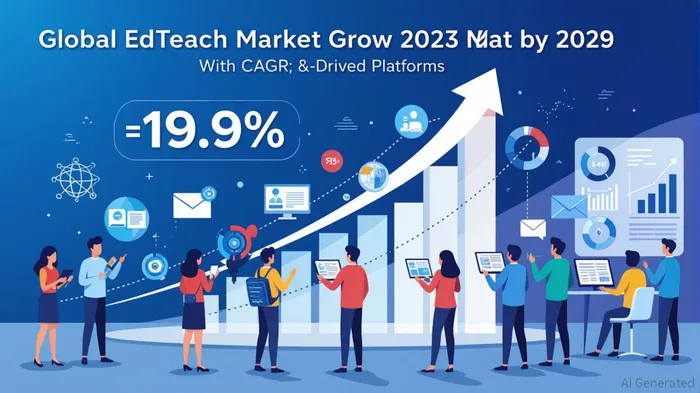
The EdTech sector is playing a pivotal role in scaling STEM education, with market projections underscoring its explosive growth. The global EdTech market was valued at USD 334.29 billion in 2023 and is expected to reach USD 738.60 billion by 2029, reflecting a compound annual growth rate (CAGR) of 14.13%. Within this, the K-12 STEM education market alone is projected to grow from $43.93 billion in 2024 to $84.24 billion by 2029 at a CAGR of 14% according to market analysis. This expansion is fueled by AI-driven platforms like Frizzle and Labster, which offer personalized learning and virtual labs, enabling both traditional and non-traditional students to access high-quality STEM education through innovative digital tools.
 Government investments are further accelerating this growth. The U.S. government has committed $1.5 billion to STEM EdTech from 2023 to 2025, signaling its strategic importance in addressing workforce shortages. These funds are being directed toward tools that integrate AI, virtual reality (VR), and gamified learning, enhancing student engagement and retention. For investors, this represents a dual opportunity: supporting educational equity while capitalizing on a market poised for sustained expansion.
Workforce Development and Economic Impact
The alignment of STEM education with industry needs is not just an academic exercise-it is a cornerstone of economic competitiveness. Micro-credentialing programs and workforce-aligned curricula are bridging the gap between academic training and employer expectations, particularly in fast-growing fields like data science and smart manufacturing according to industry reports. For example, universities are increasingly offering stackable credentials that allow students to enter the workforce with targeted skills while pursuing broader degrees.
The economic impact of these programs is profound. By equipping students with in-demand skills, institutions are directly contributing to regional and national economic growth. According to a report by the Business Research Company, the integration of EdTech in STEM curricula is enabling students to simulate real-world problem-solving scenarios, a critical skill for tomorrow's workforce. This alignment not only enhances graduate employability but also reduces the costs associated with corporate training, creating a win-win for institutions, employers, and learners.
Challenges and Mitigation Strategies
Despite the optimism, challenges persist. Teacher shortages and curriculum gaps remain significant hurdles, particularly in rural and underserved areas. Additionally, trade tensions between the U.S. and other countries have impacted the availability and cost of educational tools like robotics kits and coding platforms, potentially limiting hands-on learning experiences. However, these challenges also present investment opportunities. For instance, EdTech startups specializing in low-cost, high-impact solutions-such as AI-driven tutoring systems or open-source lab simulations-could fill critical gaps in infrastructure.
Conclusion: A High-Potential Investment Horizon
The expansion of STEM education infrastructure represents a compelling long-term investment opportunity. With universities and governments prioritizing workforce development, and EdTech innovators redefining how education is delivered, the sector is positioned for sustained growth. While challenges like teacher shortages and geopolitical disruptions exist, they are being addressed through public-private partnerships and technological innovation. For investors, the key lies in identifying platforms and institutions that not only adapt to current trends but also anticipate future demands in a rapidly evolving tech landscape.

Blending traditional trading wisdom with cutting-edge cryptocurrency insights.
Latest Articles
Stay ahead of the market.
Get curated U.S. market news, insights and key dates delivered to your inbox.






Comments
No comments yet