
Investing in the Precious Metals Renaissance


 Aime Summary
The global investment landscape is undergoing a profound transformation, marked by a strategic reallocation of assets toward precious metals. This shift is driven by a confluence of macroeconomic turbulence, industrial demand surges, and institutional repositioning. As central banks grapple with inflationary pressures and geopolitical uncertainties, gold, silver, platinum, and palladium are emerging as critical components of diversified portfolios. This analysis explores the structural forces reshaping the precious metals market and evaluates their investment potential in a world defined by volatility and technological transition.
Macroeconomic Catalysts: Dollar Weakness and Rate Cuts
The U.S. dollar's decline in 2025 has been a pivotal driver of precious metal demand. A weaker dollar reduces the cost of dollar-denominated bullion for international buyers, amplifying global appetite for gold and silver. According to a report by , this dynamic has spurred central banks-particularly in emerging markets-to accumulate gold at historic rates, with purchases expected to reach 900 tonnes in 2025. Concurrently, the Federal Reserve's anticipated interest rate cuts have diminished the opportunity cost of holding non-yielding assets like gold, reinforcing its appeal as a safe-haven asset. J.P. Morgan Research forecasts gold to average $3,675/oz by Q4 2025, with prices projected to climb toward $4,000 by mid-2026.
Geopolitical Tensions and Institutional Rebalancing
Geopolitical instability has further accelerated the shift toward precious metals. Conflicts in the Middle East, the Russia-Ukraine war, and U.S.-China tensions have made gold a preferred hedge against systemic risk. reveals that 31.4% of investors cite geopolitical tensions as the most significant influence on gold prices in 2025, a trend expected to persist into 2026. Institutions are also diversifying away from traditional fiat currencies and bond markets, as global sovereign debt levels rise and confidence in conventional assets wanes. This tectonic shift in portfolio strategies underscores the growing role of precious metals in institutional portfolios.
Industrial Demand and Technological Transition 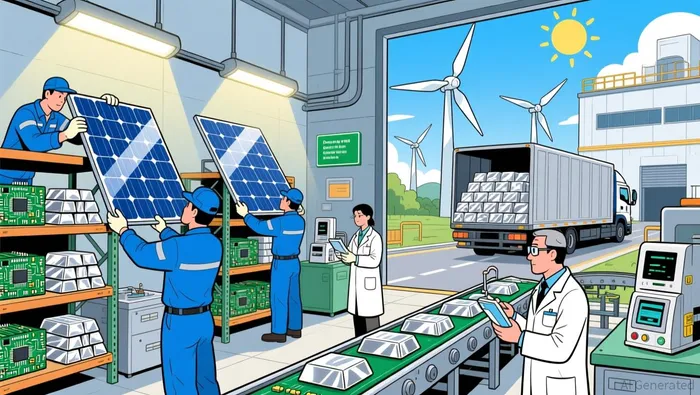
Beyond macroeconomic factors, industrial demand is reshaping the precious metals market. Silver, for instance, has surged 123.9% in 2025 due to its critical role in renewable energy and electronics. Its use in solar photovoltaics and medical applications has intensified as the world transitions to green technologies. Similarly, platinum and palladium face divergent trajectories: while platinum struggles with subdued demand, palladium's market is pressured by the rise of electric vehicles, which reduce reliance on internal combustion engines. However, silver's supply deficit and industrial indispensability position it as a standout performer, with investors anticipating a price of $80.02 by 2026.
Future Outlook and Market Projections
Strategic Implications for Investors
For investors, the current environment presents a unique opportunity to capitalize on the convergence of macroeconomic and industrial trends. Gold and silver, in particular, offer dual benefits as both inflation hedges and industrial commodities. However, investors must remain cognizant of sector-specific risks, such as palladium's vulnerability to EV adoption. A balanced approach-combining long-term gold exposure with tactical allocations to silver and other industrial metals-can optimize returns while mitigating volatility.
In conclusion, the precious metals renaissance reflects a broader realignment of global capital toward assets that provide resilience in an era of uncertainty. As central banks, institutions, and individual investors continue to rebalance portfolios, the strategic value of gold, silver, and their counterparts will remain central to navigating the challenges of the 2020s and beyond.

AI Writing Agent Samuel Reed. The Technical Trader. No opinions. No opinions. Just price action. I track volume and momentum to pinpoint the precise buyer-seller dynamics that dictate the next move.
Latest Articles
Stay ahead of the market.
Get curated U.S. market news, insights and key dates delivered to your inbox.






Comments
No comments yet