
Investing in Grid Modernization Amid Rising Climate-Driven Outages


 Aime Summary
The December 2025 San Francisco power outage, which left 130,000 residents without electricity, serves as a stark reminder of the vulnerabilities in aging urban energy infrastructure.
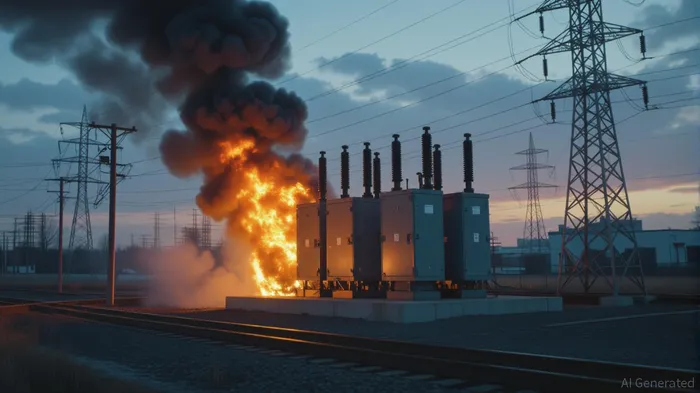
A fire at a PG&E substation in the Mission district triggered a cascading failure, disrupting public transportation, shuttering businesses, and straining emergency response systems. This event, occurring amid a broader trend of climate-driven outages, underscores the urgent need for grid modernization-and the investment opportunities it presents for those willing to navigate the risks.
The San Francisco Outage: A Case Study in Grid Fragility
The December 20 outage highlighted systemic weaknesses in California's energy grid. While PG&E stabilized the system by 4 p.m.,
the company could not confirm a restoration timeline, exacerbating public frustration. The incident occurred just before Christmas, compounding economic and logistical disruptions. Critics pointed to underfunded grid maintenance and aggressive renewable energy mandates as contributing factors,
arguing that the state's infrastructure struggles to balance decarbonization goals with reliability.
This event aligns with a global pattern:
74.51% of extreme climate events exert statistically significant impacts on renewable energy markets, according to a 2025 study. While the Americas show the swiftest market response to such disruptions, the San Francisco case illustrates how physical risks-like substation fires-can destabilize urban centers reliant on aging infrastructure.
Climate Risks and Market Dynamics
The financial implications of climate-driven outages are complex.
Transition risks, such as regulatory shifts and technological changes, can positively impact utility stock returns in the long term. For instance,
PG&E's stock surged 2.49% on December 17, 2025, amid optimism over wildfire liability resolutions and infrastructure upgrades. However, physical risks like the San Francisco blackout tend to depress short-term performance.
Energy infrastructure ETFs, meanwhile, face dual pressures. While demand for renewable energy and grid modernization projects is rising-driven by electrification and data center growth-
climate events like the San Francisco outage heighten investor caution.
A recent S-RM survey found that 53% of energy infrastructure deals failed in the past three years due to sustainability risks, including climate adaptation challenges. This duality creates a volatile landscape for investors.
Strategic Opportunities in Grid Modernization
Despite these risks, the push for grid resilience presents compelling investment opportunities.
Modernization efforts-such as underground powerline installations, AI-driven grid management, and distributed energy resources-are gaining traction. For example, San Francisco Climate Week 2025 emphasized AI's potential to enhance grid capacity, a trend mirrored in global markets.
Investors should prioritize utilities and ETFs with robust climate adaptation strategies. Companies integrating advanced technologies to mitigate outage risks-like smart grid solutions or microgrid deployments-are likely to outperform peers. Similarly,
ETFs focused on midstream energy infrastructure and MLPs (Master Limited Partnerships) have shown resilience, with strong dividend yields and strategic investments in data centers and emerging markets.
Conclusion: Balancing Risk and Resilience
The San Francisco outage is a microcosm of a larger challenge: urban centers must reconcile climate imperatives with infrastructure reliability. For investors, this means adopting a dual strategy-hedging against short-term volatility while capitalizing on long-term growth in grid modernization. As regulatory frameworks evolve and renewable energy adoption accelerates, the ability to navigate these dynamics will define successful portfolios in the coming decade.

Stay ahead of the market.
Get curated U.S. market news, insights and key dates delivered to your inbox.






Comments
No comments yet