
Investing in the Future of Dementia Care: Opportunities Amid Rising Alzheimer's Costs


 Aime Summary
The Economic and Social Toll: A Catalyst for Innovation
Alzheimer's disease is not just a medical condition but a socioeconomic disruptor. In the U.S., unpaid caregiving alone is valued at $413.5 billion in 2024, with African American and Latino communities disproportionately affected. Their economic burden is projected to grow from $113 billion in 2020 to $1.7 trillion by 2060, surpassing that of White adults. These disparities highlight systemic gaps in care access and affordability, creating opportunities for solutions that address both clinical and social determinants of health.
The long-term care sector is particularly strained. Memory care facilities face staffing shortages and rising operational costs, while home-based care is expanding at a 7.98% CAGR through 2032. This shift toward aging in place is accelerating demand for technologies that enable independent living, such as AI-powered monitoring systems and smart home solutions.
Therapeutics and Digital Innovation: A $33.62 Billion Market by 2034
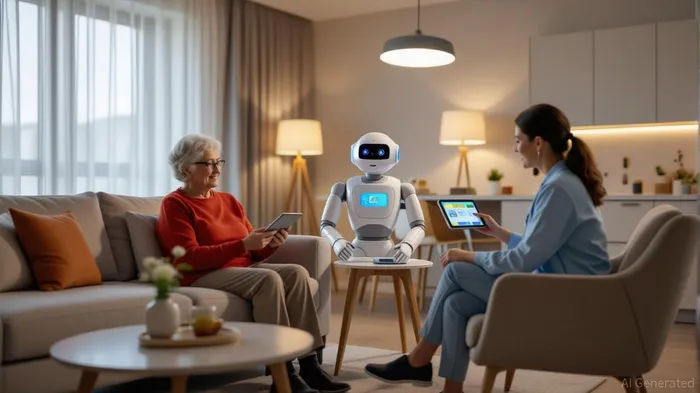 The Alzheimer's therapeutics market is experiencing explosive growth, driven by breakthroughs in disease-modifying therapies (DMTs) and AI-driven drug discovery. In 2025, the market size is estimated at $6.49 billion, with a projected compound annual growth rate (CAGR) of 20.06% to reach $33.62 billion by 2034 according to Precedence Research. Key segments include cholinesterase inhibitors (currently the largest market share) and anti-amyloid monoclonal antibodies, which are growing at a 12.80% CAGR.
Pharmaceutical giants and startups alike are capitalizing on this momentum. FDA-approved therapies like lecanemab and donanemab are already slowing cognitive decline in early-stage patients, while AI is accelerating the identification of novel targets and repurposing existing drugs according to a 2025 study. For example, NewDays, a Seattle-based startup, is leveraging AI to deliver personalized cognitive therapy for mild dementia, combining telehealth with AI-generated conversations to mimic interventions from the I-CONECT study as reported by GeekWire. Similarly, Sinaptica Therapeutics is developing non-invasive brain stimulation to enhance memory networks, part of the Alzheimer's Moonshot initiative backed by Gates Ventures.
Non-Therapeutic Infrastructure: The $40.64 Billion Opportunity
Beyond therapeutics, the dementia care infrastructure is evolving to meet the holistic needs of patients and caregivers. The global dementia treatment market, which includes non-pharmacological interventions like cognitive stimulation and digital therapeutics, is valued at $19.98 billion in 2025 and expected to grow to $40.64 billion by 2034 according to Precedence Research. This expansion is fueled by aging populations and the rise of home-based care, which is projected to generate $2.03 billion in revenue by 2032.
Key investment areas include:
1. Home Healthcare Franchises: Companies like Visiting Angels, Right at Home, and Senior Helpers are scaling dementia-specific services, offering personalized in-home support.
2. AI-Driven Care Tools: Startups such as Cherish are deploying ambient radar sensors to monitor in-home safety without wearables, while EmTech Care Labs is building digital platforms to streamline caregiver workflows as described in a 2024 research paper.
3. Smart Home Technologies: Japan's agetech leadership in robotics and IoT integration is being replicated globally, with systems like adaptive AI-powered lighting and voice-activated assistants enhancing autonomy according to senior living industry analysis.
Addressing Caregiver Burnout and Systemic Gaps
Caregiver support is a critical but underfunded segment. The U.S. Alzheimer's Association estimates that 16 million unpaid caregivers provide 18.5 billion hours of care annually, valued at $413.5 billion. To alleviate burnout, companies like Assistance Home Care are prioritizing workplace culture and training, while AI tools like ADQueryAid offer real-time guidance on managing symptoms according to a Nature article.
Investors should also consider the role of digital therapeutics (DTx) in reducing hospitalizations and improving quality of life. For instance, Digital Cognitive Stimulation Therapy (DKST) combined with hearing training has shown measurable improvements in dementia patients' well-being according to a 2024 MDPI study. These solutions are particularly attractive as they align with value-based care models and reduce long-term healthcare costs.
Challenges and the Path Forward
Despite the opportunities, challenges persist. High costs of DMTs, regulatory hurdles for AI tools, and staffing shortages in memory care facilities remain barriers. However, the market's growth trajectory-driven by aging demographics and technological advancements-suggests these challenges will be met with innovation. Strategic pricing models, AI-enabled EHR systems, and public-private partnerships such as the Alzheimer's Moonshot are already addressing these gaps.
For investors, the dementia care sector offers a dual mandate: to generate returns while addressing one of the most pressing public health crises of the 21st century. From AI-powered diagnostics to caregiver support platforms, the infrastructure to meet this demand is being built-and the window to invest is now.

Mezclando la sabiduría tradicional del comercio con las perspectivas más avanzadas sobre criptomonedas.
Latest Articles
Stay ahead of the market.
Get curated U.S. market news, insights and key dates delivered to your inbox.


AInvest
PRO
AInvest
PRO



Comments
No comments yet