
Investing in Food Safety: Opportunities Amid Shredded Cheese Recall Crisis


 Aime Summary
The 2025 U.S. cheese recall crisis has exposed critical vulnerabilities in the dairy and packaged food sectors, triggering a reevaluation of supply chain resilience and consumer trust.
according to reports and multiple Pecorino Romano brands pulled for Listeria risks
as research shows, the fallout extends beyond public health concerns to investor confidence. This analysis explores how these recalls highlight systemic risks in food production and identifies investment opportunities in companies prioritizing food safety innovation.
Supply Chain Resilience: A Fragile Foundation
The Great Lakes Cheese Co. recall, linked to metal fragments in shredded cheese products, underscores the fragility of supplier-dependent supply chains. The FDA classified this as a Class II recall,
noting potential temporary health risks, while Ambriola's Listeria-tainted Pecorino Romano products were deemed a Class I recall-the most severe category due to life-threatening risks
according to FDA data. These incidents reveal gaps in supplier oversight and quality control, particularly for companies relying on third-party raw materials
as experts warn.
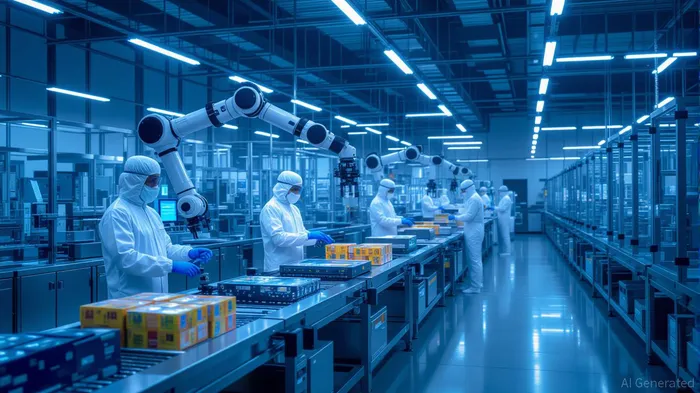 Industry experts warn that such recalls amplify brand damage,
with Ambriola and Great Lakes Cheese Co. facing production suspensions and reputational harm. For investors, this signals the need to scrutinize companies' supplier vetting processes and traceability systems. Firms like Ecotrace and FluiDect, which offer blockchain-based tracking and real-time contamination detection, are gaining traction as solutions to mitigate these risks
according to industry analysis.
Consumer Trust: A Double-Edged Sword
Consumer trust in dairy and packaged foods has been further eroded by the 2025 recalls. The FDA's advisory to discard or return affected products
has forced retailers to navigate inventory losses while rebuilding customer confidence.
according to consumer data, a shift that could redefine market leadership.
Companies like Boar's Head, which halted purchases from Ambriola to address contamination risks
as market analysis shows, exemplify how proactive measures can preserve trust. Analysts emphasize that brands investing in public food safety campaigns-such as real-time recall notifications and third-party audits-will outperform peers in post-crisis recovery
according to industry reports.
Market Volatility and Investment Opportunities
The Q4 2025 recalls have introduced volatility in food retail stocks, with dairy and packaged goods sectors under pressure. While specific stock price data for Ambriola and Great Lakes Cheese Co. remains unavailable,
following the recalls. However, this volatility creates opportunities for investors seeking undervalued companies with robust safety protocols.
Emerging technologies are reshaping the landscape. Startups like FluiDect, which uses AI to detect microbial contamination, and Ecotrace, which employs blockchain for end-to-end supply chain visibility, are attracting institutional interest
according to industry reports. Additionally, established players such as Tyson Foods and Nestlé have integrated AI-driven quality control systems,
. Analysts recommend allocating capital to firms with proven track records in adopting these innovations
according to financial analysis.
Conclusion: Building a Resilient Portfolio
The 2025 cheese recall crisis serves as a wake-up call for the food industry. For investors, the key lies in identifying companies that treat food safety as a strategic imperative rather than a compliance burden. Prioritizing firms with advanced traceability systems, transparent communication, and supplier accountability will be critical in navigating future crises. As the sector evolves, those who invest in resilience today will reap long-term rewards in a market increasingly defined by consumer vigilance and regulatory scrutiny.

Stay ahead of the market.
Get curated U.S. market news, insights and key dates delivered to your inbox.


AInvest
PRO
AInvest
PRO



Comments
No comments yet